

Your baby’s toys are a constant source of joy—and germs. You want to keep those toys clean, but you also want to make sure the cleaning methods are safe and non-toxic.
After all, your little one puts everything in their mouth. So, how can you effectively clean baby toys without exposing your child to harmful chemicals? You’ll discover simple, safe, and natural ways to keep your baby’s toys spotless and healthy.
Keep reading to protect your child and give yourself peace of mind.
Choosing Safe Cleaning Agents
Choosing safe cleaning agents is important for keeping baby toys clean and non-toxic. Babies often put toys in their mouths. Harsh chemicals can harm their health. Use gentle, natural cleaners that are safe for babies. Safe cleaning helps prevent allergies and skin irritation.
Natural Ingredients To Use
Vinegar is a great natural cleaner. It kills germs without chemicals. Mix one part vinegar with one part water. Use this mix to wipe toys. Baking soda cleans and removes odors. Sprinkle some on toys, then scrub with a damp cloth. Lemon juice works well to remove stains. It also adds a fresh smell. These ingredients are safe and easy to find.
Avoiding Harmful Chemicals
Avoid cleaners with bleach or ammonia. These can cause breathing problems and skin burns. Stay away from products with artificial fragrances and dyes. They can irritate baby’s skin. Read labels carefully before buying any cleaner. Choose products labeled as non-toxic and safe for children. Better yet, stick to natural options for peace of mind.
Cleaning Methods For Different Toy Types
Cleaning baby toys properly keeps your child safe from germs. Different materials need different care. This guide helps you clean plastic, fabric, and wooden toys without harsh chemicals. Use gentle, non-toxic methods to protect your baby’s health.
Washing Plastic Toys
Plastic toys can be washed with warm water and mild soap. Use a soft cloth or sponge to scrub all surfaces. Rinse thoroughly to remove soap residue. Dry with a clean towel or air dry completely. Avoid harsh chemicals that can harm your baby.
Cleaning Fabric Toys
Fabric toys need gentle cleaning. Check the label for washing instructions. Most can be hand-washed with mild detergent. Use cold or warm water, not hot. Rinse well to remove soap. Let the toy air dry fully to prevent mold. Avoid bleach or strong cleaners.
Sanitizing Wooden Toys
Wooden toys require careful cleaning to avoid damage. Wipe them with a damp cloth and mild soap. Do not soak wood in water. Dry immediately with a clean towel. Use a natural oil like coconut oil to keep wood smooth. Avoid harsh chemicals that can ruin the wood.
Step-by-step Cleaning Process
Cleaning baby toys safely is very important. A clear process helps keep toys free from germs and safe for your child. Follow these easy steps to clean toys using non-toxic methods. This keeps your baby’s playthings clean and healthy without harsh chemicals.
Preparing The Cleaning Solution
Start by making a gentle cleaning solution. Use warm water and mild soap or a few drops of baby-safe dish soap. Avoid strong detergents or bleach. Mix well until the soap dissolves completely. This solution will clean toys without harming your baby’s skin.
Scrubbing And Rinsing
Dip a soft cloth or sponge into the solution. Gently scrub all toy surfaces. Pay extra attention to small crevices and textured areas. Use a soft toothbrush for hard-to-reach spots. After scrubbing, rinse toys thoroughly with clean water. Make sure no soap remains on the toys.
Drying And Storing
Place toys on a clean towel to air dry. Avoid using heat or direct sunlight, which can damage toys. Ensure toys are completely dry before storing. Store toys in a clean, dry container to keep them fresh. Proper drying and storage prevent mold and bacteria growth.

Credit: www.premiumbionaturals.com
Tips For Maintaining Toy Cleanliness
Keeping baby toys clean is important for your child’s health. Toys gather dust, dirt, and germs quickly. Regular care helps keep toys safe and fresh. Follow simple steps to maintain cleanliness. These tips save time and protect your baby.
Regular Cleaning Schedule
Set a routine for cleaning baby toys. Clean soft toys weekly with mild soap and water. Hard toys need wiping at least twice a week. Use warm water and gentle, non-toxic cleaners only. Avoid harsh chemicals that may harm your baby. Let toys dry completely before giving them back. This habit keeps germs away and toys fresh.
Safe Storage Practices
Store toys in a clean, dry place. Use bins or baskets with lids to keep dust out. Avoid damp areas that grow mold or bacteria. Separate toys used outdoors from indoor toys. Clean storage spaces regularly to prevent dirt buildup. Proper storage helps toys stay clean longer and ready for play.
When To Replace Baby Toys
Knowing when to replace baby toys helps keep your child safe and happy. Toys can wear out or become unsafe over time. Replacing them on time protects your baby from harm. It also keeps playtime fun and clean.
Signs Of Wear And Tear
Check toys regularly for cracks, breaks, or missing parts. Loose pieces can cause choking hazards. Faded colors or rough edges mean the toy is old. Toys with broken parts should be thrown away. Soft toys with holes or stains need replacement too.
Health And Safety Considerations
Bacteria can grow on old or dirty toys. Damaged toys may have sharp edges that hurt babies. Some materials can break down and release harmful chemicals. Avoid toys that are hard to clean or made with toxic substances. Always choose non-toxic toys and replace them if they show damage or dirt buildup.

Credit: purezest.ca
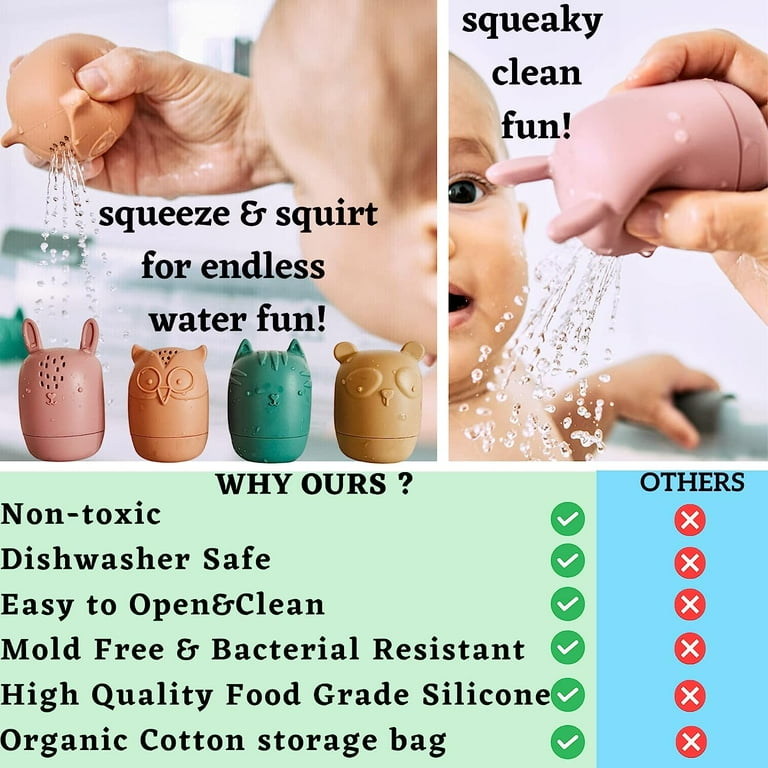
Credit: www.walmart.com
Frequently Asked Questions
How Can I Clean Baby Toys Without Toxic Chemicals?
Use mild soap and warm water to clean baby toys. Avoid harsh cleaners with strong chemicals. Natural options like vinegar or baking soda work well and are safe for babies. Always rinse toys thoroughly and let them air dry.
What Are Safe Ingredients For Cleaning Baby Toys?
Safe ingredients include mild dish soap, white vinegar, baking soda, and water. These are non-toxic and effective against germs. Avoid bleach or ammonia-based cleaners, as they can be harmful to babies. Always check toy labels before cleaning.
How Often Should I Clean My Baby’s Toys?
Clean baby toys weekly or more often if they are frequently used. Toys that go in the mouth require more frequent cleaning. Regular cleaning helps prevent germs and keeps toys safe for your baby.
Can I Sanitize Baby Toys Without Chemicals?
Yes, you can sanitize toys using steam or boiling water. Steam cleaners effectively kill germs without chemicals. Boiling plastic toys for a few minutes also disinfects them safely. Ensure toys are heat-safe before using these methods.
Conclusion
Cleaning baby toys with safe, non-toxic methods protects your child’s health. Regular washing removes dirt and germs effectively. Use gentle soaps and natural ingredients for best results. Avoid harsh chemicals that can harm your baby. Keep toys dry to prevent mold growth.
Clean toys often to maintain a safe play environment. Simple steps make a big difference for your child’s safety. Caring for toys shows love and keeps babies happy. Safe cleaning supports healthy play and peace of mind.
