

When it comes to your baby’s safety, every little choice matters—especially the toys they play with. You might have seen colorful PVC toys everywhere and wondered, “Are these really safe for my baby?” It’s natural to worry about what materials come close to your child’s delicate skin and mouth.
You’ll discover the truth about PVC toys, what risks to watch out for, and how to make the best decision for your baby’s health and happiness. Keep reading to protect what matters most—your little one.

Credit: www.amazon.com
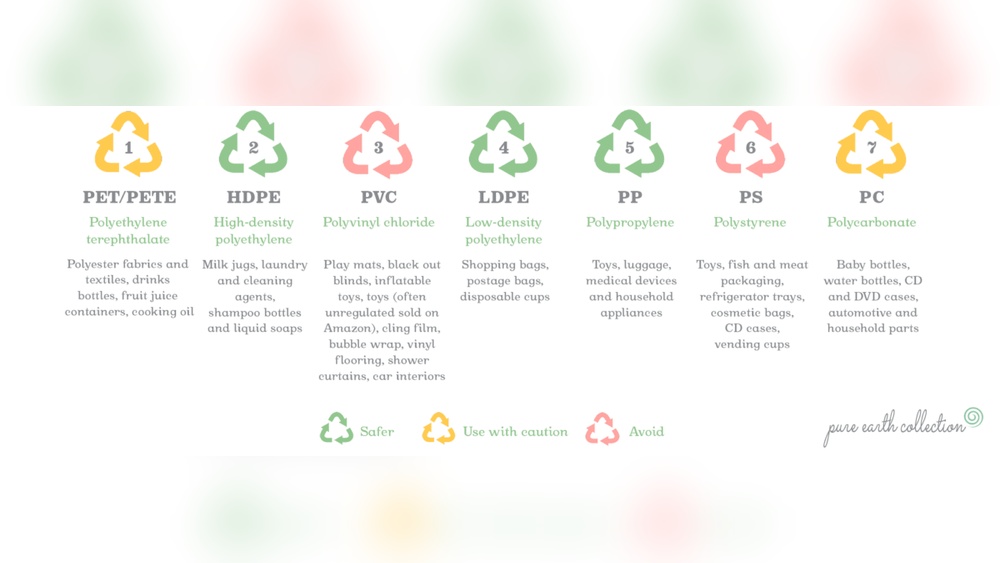
What Is Pvc?
PVC stands for polyvinyl chloride. It is a type of plastic used in many products. PVC is strong, lightweight, and flexible. These qualities make it popular for making toys for babies. Understanding what PVC is helps us decide if it is safe for children.
Common Uses In Toys
PVC is used to make soft and bendable toys. Many teething toys, rattles, and bath toys contain PVC. It can be molded into different shapes and bright colors. PVC toys often resist water and damage from chewing. This makes them ideal for babies who explore with their mouths.
Types Of Pvc Materials
There are two main types of PVC. Rigid PVC is hard and used for pipes or containers. Flexible PVC is softer and used for toys and clothes. Flexible PVC has added chemicals called plasticizers. These plasticizers make the material soft and easy to shape. Not all plasticizers are safe, so quality matters.
Health Risks Of Pvc Toys
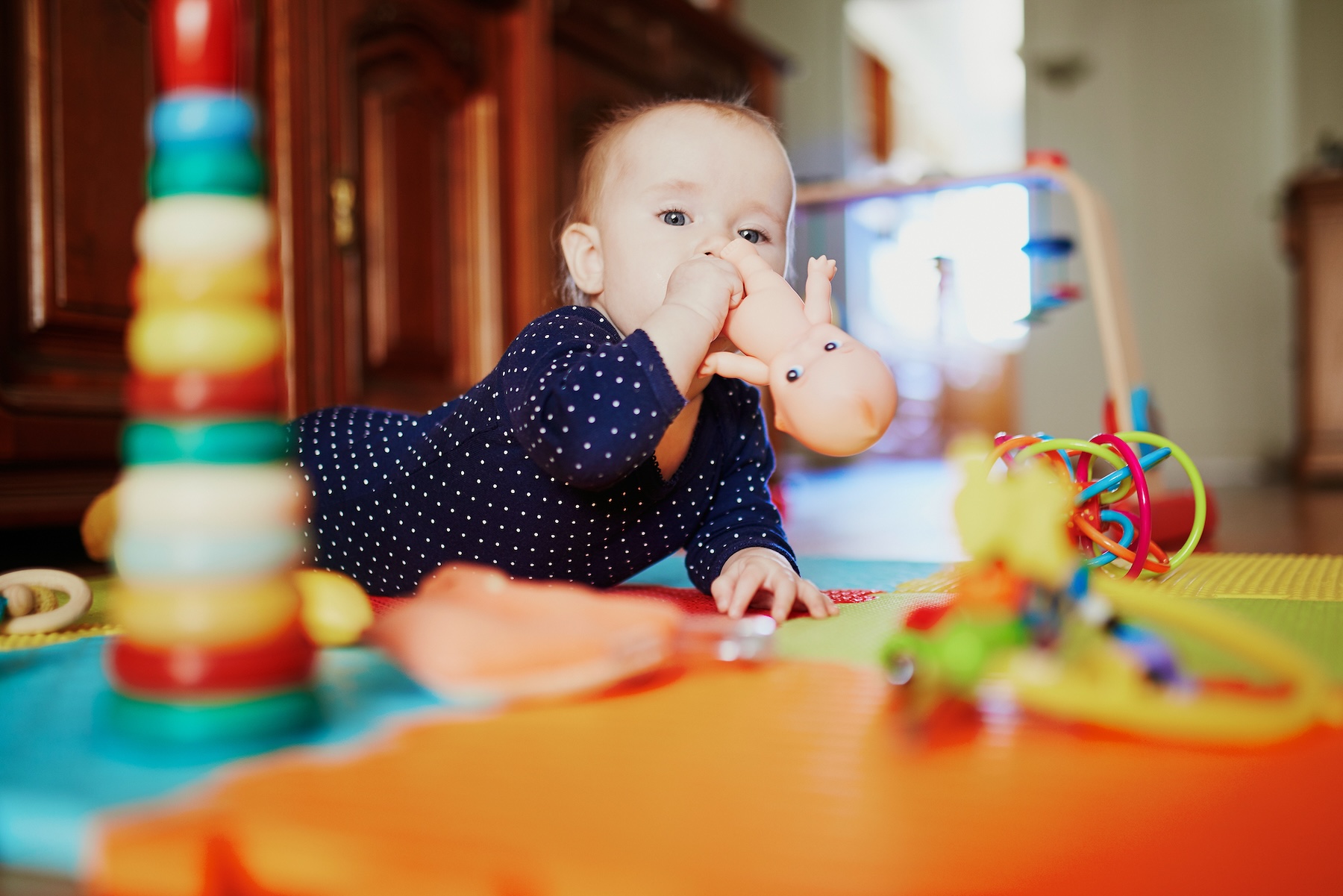
PVC toys are popular because they are soft and colorful. But health risks may hide inside these toys. Babies often put toys in their mouths. This increases the chance of exposure to harmful substances. Understanding the health risks helps parents make safer choices.
Chemical Additives In Pvc
PVC is made flexible with chemical additives. These include phthalates and heavy metals. Phthalates soften the plastic but can leak out over time. Heavy metals like lead may be used in some PVC toys. Babies can absorb these chemicals through chewing or sucking. These chemicals can build up in the body and cause harm.
Potential Toxicity Concerns
Certain chemicals in PVC are linked to health problems. They may affect the brain and hormone systems. Some may cause allergies or skin irritation. Babies are more sensitive to toxic chemicals than adults. Long-term exposure can lead to serious health issues. Choosing toys without harmful chemicals reduces these risks.
Regulations On Pvc Toys
Regulations on PVC toys help protect babies from harmful chemicals and unsafe designs. These rules control the materials and processes used to make toys safe. They also reduce risks like choking, toxicity, and allergic reactions. Understanding these regulations can help parents choose safe toys for their little ones.
Safety Standards Worldwide
Many countries have strict safety standards for PVC toys. The United States follows the Consumer Product Safety Improvement Act (CPSIA). It limits lead and phthalates in toys. The European Union uses the EN 71 standard to check toy safety. It tests for chemical content, flammability, and mechanical hazards. Other countries like Canada and Australia also have their own rules. These standards ensure PVC toys are safe to use worldwide.
Labels And Certifications To Look For
Certified toys carry labels showing compliance with safety laws. Look for the CE mark in Europe, which means the toy meets EU safety rules. In the U.S., check for the ASTM F963 label. It confirms the toy meets American safety standards. Some toys also have the CPSIA certification. This label shows limits on dangerous chemicals. Always choose toys with clear, trusted certifications to keep babies safe.

Credit: moonkieshop.com
Identifying Safe Pvc Toys
Choosing safe PVC toys for babies is very important. Not all PVC toys are made equally. Some contain harmful chemicals that can affect a baby’s health. Knowing how to spot safe toys helps parents make better choices. This guide will help you identify safe PVC toys for your child.
Non-toxic And Phthalate-free Options
Safe PVC toys do not have toxic chemicals. Phthalates are chemicals used to soften plastic. They can be harmful to babies. Look for toys labeled “phthalate-free.” These toys use safer materials that do not release dangerous substances.
Non-toxic toys are often tested by safety agencies. Check for certification marks on the packaging. This shows the toy meets safety rules. Choose toys made from food-grade or medical-grade PVC. These types are safer for babies who like to chew or suck on toys.
Signs Of Low-quality Pvc Toys
Low-quality PVC toys often have a strong chemical smell. This smell can be a sign of harmful chemicals. Avoid toys that feel sticky or oily. Poorly made toys may have rough edges or uneven surfaces. These can hurt your baby’s skin or mouth.
Cheap toys may fade or crack easily. This means they break down and release unsafe particles. Always inspect the toy carefully before buying. Choose brands known for good quality and safety standards. Your baby deserves toys that are safe and durable.
Alternatives To Pvc Toys
Choosing safe toys for babies is a top priority for parents. Alternatives to PVC toys offer peace of mind. These options often come from natural and organic sources. They reduce exposure to harmful chemicals. Parents can find many safe, eco-friendly toys in the market today. These toys support healthy play and learning.
Natural And Organic Materials
Toys made from natural materials include wood, cotton, and rubber. Organic cotton toys are soft and gentle on baby skin. Wooden toys often have smooth finishes and no toxic paint. Natural rubber toys are free from harmful plastics. These materials avoid chemicals found in PVC. They are biodegradable and good for the environment. Parents prefer these for their baby’s health and safety.
Durability And Safety Benefits
Natural and organic toys last longer than many plastic toys. They resist breaking and chipping, reducing choking hazards. These toys usually contain fewer chemicals and toxins. Parents can trust these toys for safe chewing and handling. Durable toys mean fewer replacements and less waste. Safety and strength make these toys a smart choice. They support safe play and protect baby health.
Tips For Parents When Choosing Toys
Choosing safe toys for babies is important for their health and happiness. Parents must think carefully about the toys they bring home. This helps avoid risks like choking or exposure to harmful chemicals. Simple steps can make toy selection safer and easier.
Age Appropriateness
Check the toy’s age label before buying. Toys made for older kids may have small parts. Small parts can cause choking hazards for babies. Choose toys designed for your baby’s exact age group. Toys with soft edges and non-toxic materials are best. Age-appropriate toys support learning and safe play.
Cleaning And Maintenance
Keep toys clean to protect your baby from germs. Wash PVC toys regularly with warm soapy water. Avoid harsh chemicals that can damage the toy or harm babies. Dry toys completely before giving them back. Inspect toys often for cracks or broken parts. Replace damaged toys to prevent injury or infection.
Credit: www.greenchildmagazine.com
Frequently Asked Questions
Are Pvc Toys Safe For Newborn Babies?
PVC toys can be safe if they meet safety standards. Look for non-toxic, phthalate-free labels. Always check for quality certifications before buying.
What Chemicals In Pvc Toys Harm Babies?
PVC toys may contain harmful phthalates and lead. These chemicals can affect babies’ health. Choose toys labeled free from these toxins.
How To Identify Safe Pvc Toys For Infants?
Check for safety certifications like ASTM or CPSIA. Ensure toys are BPA and phthalate-free. Avoid toys with strong chemical odors.
Can Pvc Toys Cause Allergies In Babies?
Some babies may develop allergies from PVC chemicals. Symptoms include skin irritation or rashes. Monitor your baby’s reaction and discontinue use if needed.
Conclusion
PVC toys can be safe for babies if chosen carefully. Always check for non-toxic labels and safety certifications. Avoid toys with strong smells or sharp edges. Clean toys regularly to keep germs away. Supervise babies during playtime to prevent accidents.
Soft, BPA-free PVC materials reduce health risks. Trustworthy brands often follow strict safety rules. Remember, safety depends on the toy and how you use it. Keep babies happy and safe with smart toy choices.
