

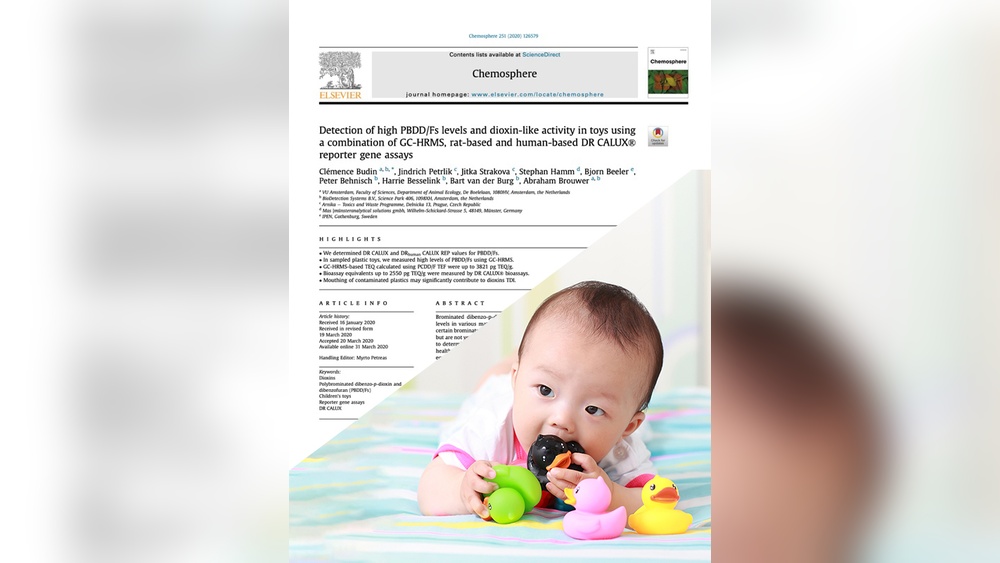
Have you ever stopped to wonder if the plastic toys your child plays with every day might be doing more harm than good? You want the best for your little one, but with so many types of toys around, it’s hard to know what’s truly safe.
What if the colorful, shiny toys you trust could affect your child’s health or development? Keep reading, because understanding the truth about plastic toys could change the way you choose playtime forever. Your child’s safety and happiness depend on it.
Health Risks From Plastic Toys
Plastic toys are popular among children. They are colorful, fun, and easy to clean. Still, many parents worry about the health risks these toys might bring. Some plastic toys contain harmful substances. These substances can affect kids’ health in different ways.
Understanding these risks helps parents choose safer toys. It also shows why careful selection matters for children’s well-being.
Toxic Chemicals In Toys
Some plastic toys contain toxic chemicals like BPA, phthalates, and lead. These chemicals can harm a child’s brain and body. BPA affects hormone levels and development. Phthalates can cause breathing problems and affect the liver. Lead is a dangerous metal that can damage the nervous system. Young children often put toys in their mouths, increasing exposure to these chemicals.
Allergic Reactions And Sensitivities
Plastic toys may cause skin allergies or irritation in some children. Chemicals used in making toys can trigger rashes or redness. Children with sensitive skin are at higher risk. Allergic reactions can be mild or severe. Parents should watch for signs like itching or swelling after playtime. Choosing toys labeled hypoallergenic reduces this risk.
Long-term Exposure Effects
Repeated contact with harmful plastics can lead to long-term health problems. These include hormone disruption and developmental delays. Some chemicals build up in the body over time. This buildup may increase the risk of chronic diseases. Early exposure can impact growth and learning abilities. Safe, non-toxic toys help protect children from these dangers.
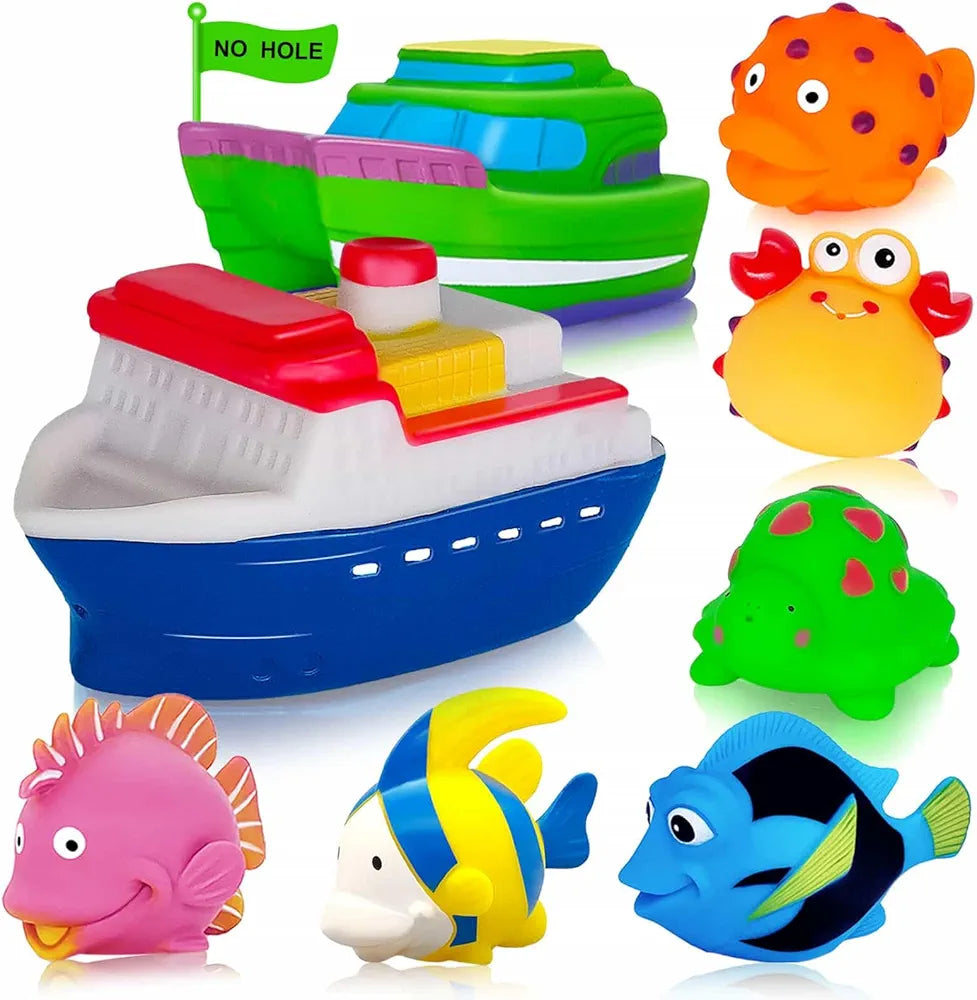
Credit: samstoy.in
Environmental Impact
Plastic toys have a big effect on the environment. These toys often end up as waste after use. This waste harms land, water, and animals. Understanding this impact helps us make better choices for kids and the planet.
Plastic Waste And Pollution
Plastic toys create a lot of waste. Most toys are not biodegradable. They stay in landfills or oceans for years. This waste pollutes soil and water. Animals can mistake plastic for food. This causes harm to wildlife and nature.
Microplastics And Their Reach
Plastic toys break down into tiny pieces called microplastics. These microplastics spread everywhere. They enter rivers, lakes, and seas. Fish and other animals ingest them. Microplastics can also reach humans through food and water. Their small size makes them hard to remove from the environment.
Sustainability Concerns
Most plastic toys are made from non-renewable resources. This means they use materials that cannot be replaced quickly. Making plastic releases harmful gases. These gases contribute to climate change. Choosing sustainable toys can reduce this impact. It helps protect the earth for future generations.
Safety Standards And Regulations
Safety standards and regulations play a key role in protecting children from harmful plastic toys. These rules ensure toys are free from dangerous chemicals and built to avoid injuries. Many countries have set clear guidelines that manufacturers must follow.
Parents can feel more secure knowing toys meet these safety requirements. Still, it is important to understand how these standards work and what testing is done before toys reach store shelves.
Global Toy Safety Rules
Countries have specific safety rules for toys. The European Union uses the EN 71 standard. The United States follows the Consumer Product Safety Improvement Act (CPSIA). Other regions have their own guidelines too.
These rules cover chemical safety, choking hazards, sharp edges, and durability. Toys must pass these rules before selling to the public. Manufacturers must also provide clear labels about age and use.
Common Testing Procedures
Toys undergo many tests to ensure safety. Chemical tests check for harmful substances like lead and phthalates. Mechanical tests check for parts that could break off and cause choking.
Flammability tests make sure toys do not catch fire easily. Some tests also check if toys can withstand rough play without causing harm. These procedures help keep children safe during playtime.
Gaps In Enforcement
Not all toys are checked equally. Some countries lack strict enforcement of safety laws. This can lead to unsafe toys entering the market.
Online shopping adds risk. Some toys sold online may not follow safety standards. Parents need to be careful and buy from trusted sources only.

Credit: www.liberia.ubuy.com
Alternatives To Plastic Toys
Plastic toys can harm the environment and sometimes affect children’s health. Choosing different types of toys helps reduce plastic waste. Many alternatives exist that are safe, fun, and better for the planet. These options encourage creativity and learning without plastic risks.
Wooden And Natural Materials
Wooden toys are strong and long-lasting. They do not contain harmful chemicals. Natural materials like cotton and wool also make safe toys. These toys feel nice and are easy to clean. They help children connect with nature while playing.
Eco-friendly Toy Brands
Some companies focus on making toys with eco-friendly materials. They use recycled or biodegradable substances. These brands often avoid toxic paints and plastics. Choosing such toys supports better manufacturing practices. It also teaches kids about caring for the earth.
Diy And Upcycled Options
Making toys at home can be fun and cheap. Use old clothes, cardboard, or wood scraps to create new toys. Upcycling reduces waste and sparks creativity. Kids love toys made by family members. It adds a special meaning to playtime.
Tips For Choosing Safe Toys
Choosing safe toys is very important for children’s health and happiness. Parents should know how to pick toys that do not harm kids. This guide gives clear tips to help select safe plastic toys. These tips protect children from dangerous chemicals and choking hazards.
Understanding what to check makes buying toys easier and safer. Read labels carefully, avoid harmful substances, and select toys suitable for your child’s age. These steps keep playtime fun and safe.
Reading Labels And Certifications
Check the toy’s label for safety marks. Certifications like CE, ASTM, or EN71 show the toy meets safety rules. These marks mean the toy passed tests for quality and safety. Labels also list materials used, helping avoid unsafe plastics. Always pick toys with clear and trusted certifications.
Avoiding Harmful Additives
Some plastic toys contain chemicals that can be harmful. Avoid toys with BPA, phthalates, and lead. These substances can cause health problems in children. Choose toys made from non-toxic, eco-friendly materials. Look for toys labeled “free from harmful chemicals.” This reduces risk and protects kids’ health.
Age-appropriate Selections
Pick toys suitable for your child’s age and skill level. Small parts can choke toddlers. Toys for older kids may be too complex or unsafe for younger ones. Age recommendations on packaging guide parents well. Safe toys match the child’s development stage and keep play safe.

Credit: www.poison.org
Frequently Asked Questions
Are Plastic Toys Harmful To Children’s Health?
Plastic toys can contain harmful chemicals like BPA and phthalates. These chemicals may affect children’s development and health. Choose toys labeled BPA-free and phthalate-free to reduce risks. Always check for safety certifications before buying plastic toys for kids.
How Can I Choose Safe Plastic Toys For Kids?
Look for toys made from non-toxic, BPA-free, and phthalate-free plastics. Check for safety certifications like ASTM or EN71. Avoid toys with small parts that pose choking hazards. Read product reviews and manufacturer information to ensure safety.
Do Plastic Toys Affect Children’s Development Negatively?
Some plastic toys offer limited sensory and educational value. Overuse of plastic toys can reduce imaginative play. Balanced playtime with diverse toys, including natural materials, promotes better development. Supervise and guide children to engage with toys meaningfully.
Can Plastic Toys Cause Allergies Or Skin Reactions?
Certain plastics and dyes in toys may trigger allergies or skin irritation. Children with sensitive skin should use hypoallergenic, non-toxic toys. Clean plastic toys regularly to prevent bacteria buildup. If irritation occurs, discontinue use and consult a doctor.
Conclusion
Plastic toys can be fun but may pose risks for kids. Choosing safer materials helps protect children’s health. Parents should check for non-toxic labels and quality standards. Limiting plastic toy use and mixing with wooden or cloth toys works well.
Clean toys regularly to keep germs away. Awareness about toy safety makes a big difference. Kids enjoy playtime best when toys are safe and clean. Always prioritize your child’s well-being when picking toys. Simple steps keep playtime both fun and healthy.
