

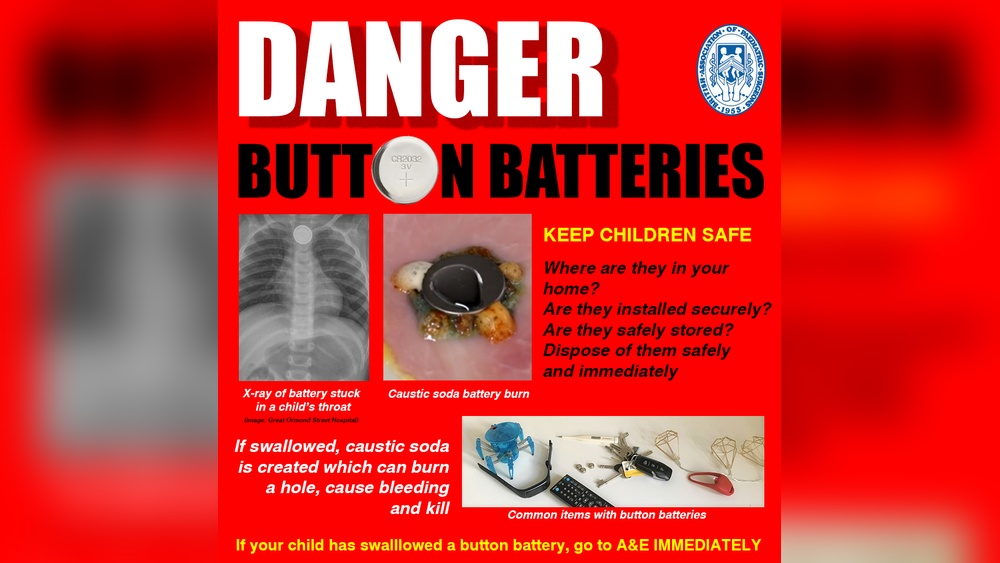
You might not realize it, but something as small as a button battery can be very dangerous for your child. These tiny power sources are found in many everyday items like toys, remote controls, and hearing aids.
If your child swallows one, it can cause serious harm in just minutes. Understanding why button batteries are risky and how to keep your kids safe is crucial. Keep reading to learn what you need to watch out for and how to protect your little ones from this hidden danger.
Button Batteries At Home
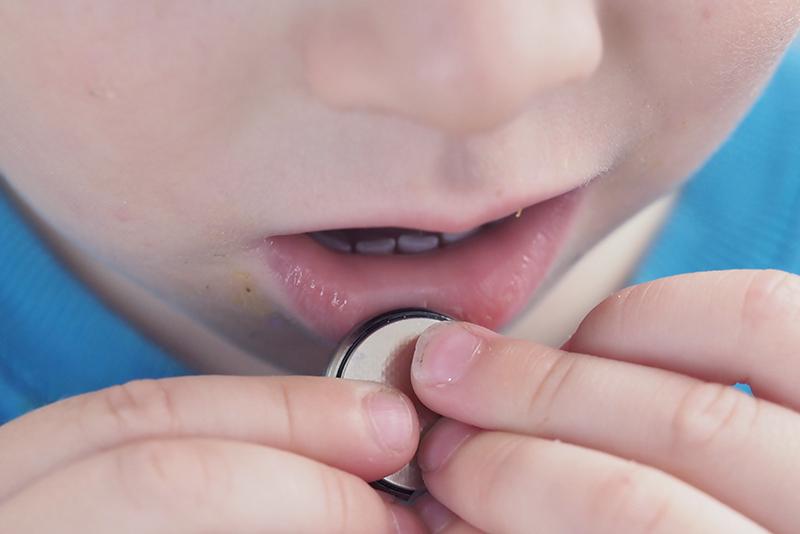
Button batteries are small, shiny, and easy to swallow. They are found in many household items. Their size makes them a hidden danger for children. Kids can easily pick them up and put them in their mouths. This can cause serious harm very quickly.
Many parents do not realize how common these batteries are. They are inside everyday devices that seem harmless. Knowing where button batteries hide helps keep children safe.
Common Devices With Button Batteries
Button batteries power many small devices at home. Remote controls often use them for memory settings. Hearing aids depend on these batteries to work properly. Watches and small clocks also use button batteries. Some toys and musical greeting cards contain these batteries. Thermometers and calculators are other examples. These devices are everywhere and easy to find.
Accessibility In Everyday Items
Many devices with button batteries do not have secure covers. Children can open battery compartments with little effort. Loose batteries may fall out during use or battery changes. Often, batteries are left on tables or floors. Curious children pick them up and put them in their mouths. This risk increases if parents do not check battery covers. Storing devices out of children’s reach reduces danger. Always check battery compartments and secure them firmly.
Credit: answers.childrenshospital.org
Health Risks For Children
Button batteries pose serious health risks to children. These small batteries are easy to swallow. Their size and shape make them dangerous for young kids. Many children do not realize the danger until it is too late.
Understanding the specific health risks helps parents keep their children safe. Immediate action is vital when a child swallows a button battery.
Choking Hazards
Button batteries can block a child’s airway. This causes choking and difficulty breathing. Choking can lead to unconsciousness or worse. Babies and toddlers are most at risk. Always keep these batteries out of reach.
Internal Chemical Burns
Swallowed button batteries can cause severe burns inside the body. The battery’s chemicals react with saliva and tissue. This reaction can burn the throat and stomach. Burns can happen quickly, sometimes in two hours. These injuries can be very painful and dangerous.
Long-term Complications
Injuries from button batteries can lead to lasting health problems. Children might have trouble swallowing or speaking. Serious damage to the esophagus or stomach may require surgery. Some complications can affect a child’s growth and health for years. Early medical care reduces these risks.
Symptoms Of Ingestion
Button batteries are small and shiny. Kids often put them in their mouths. This can cause serious health problems. The battery can get stuck in the throat or stomach. It may burn the inside parts quickly. Knowing the symptoms helps catch the problem fast. Early signs can save a child’s life.
Signs To Watch For
Watch for coughing or choking suddenly. The child may drool more than usual. They might refuse to eat or drink. Stomach pain or vomiting can happen. The child could seem very tired or weak. Breathing problems may also appear. These signs mean something is wrong inside.
When To Seek Medical Help
Go to the doctor immediately if you suspect swallowing. Do not wait for symptoms to get worse. Quick medical care can prevent serious damage. The doctor may do an X-ray to find the battery. Treatment often requires removing the battery fast. Immediate action can save your child’s life.
Credit: www.childrens.health.qld.gov.au
Preventive Measures
Button batteries pose a serious danger to children. Preventive measures help keep kids safe from accidental swallowing or injury. Storing batteries properly and teaching safety can reduce risks. Everyone caring for children must stay alert and prepared.
Safe Storage Tips
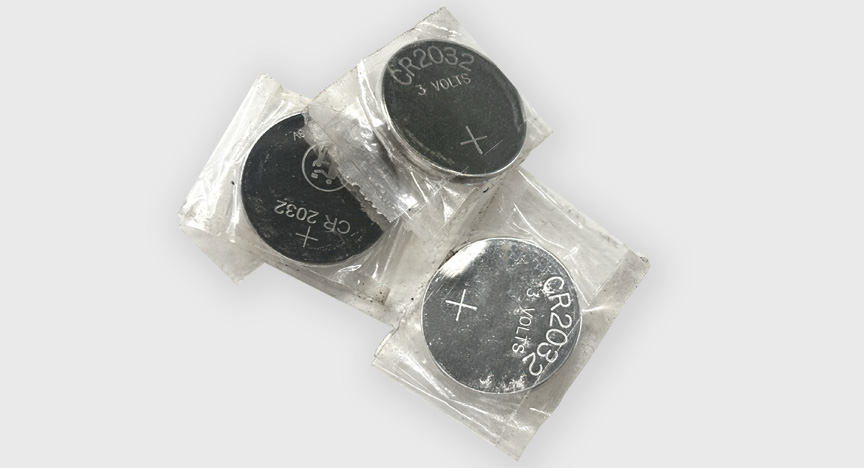
Store button batteries out of children’s reach. Use containers that lock or seal tightly. Keep batteries in original packaging until use. Avoid leaving loose batteries on tables or floors. Check toys and devices often for secure battery compartments.
Childproofing Strategies
Use childproof locks on battery compartments. Cover devices with battery covers that require tools to open. Place dangerous items in high cabinets or locked drawers. Regularly inspect areas where batteries are stored. Create safe play zones free from small objects.
Educating Caregivers And Kids
Teach caregivers about button battery dangers. Share simple safety rules with everyone in the home. Explain to children never to touch or put batteries in their mouth. Encourage adults to act fast if a child swallows a battery. Awareness helps prevent accidents before they happen.
Emergency Response
Button batteries pose a serious threat to children. Quick and correct action saves lives. Knowing how to respond during an emergency is vital. It reduces risks and prevents severe injuries.
Immediate Actions If Ingested
Stay calm. Do not make the child vomit or eat. Remove any remaining batteries from the child’s mouth. Call emergency services right away. Tell them the exact type of battery swallowed. Keep the child still and quiet while waiting for help.
Medical Treatments Available
Doctors may use an X-ray to find the battery. Surgery or endoscopy might be needed to remove it. Medicine can help reduce burns or swelling. The child may need to stay in the hospital for observation. Follow-up care ensures no long-term damage occurs.
Regulations And Safety Standards
Button batteries pose serious risks to children due to their small size and powerful chemical content. Regulations and safety standards aim to reduce accidents and injuries from these batteries. They guide manufacturers and caregivers on safe use and handling. These rules help make products safer and protect children from harm.
Industry Guidelines
Many industries follow strict guidelines to handle button batteries safely. These guidelines include secure packaging to prevent easy access. Manufacturers must design battery compartments that children cannot open. Warning labels are placed on products to inform parents of the risks. These steps reduce the chance of accidental swallowing.
Recent Safety Improvements
Recent changes in safety rules have improved child protection. New standards require stronger battery covers on toys and devices. Some batteries now have coatings that reduce chemical damage if swallowed. Packaging is harder to open, stopping children from getting batteries easily. These improvements help lower the number of battery-related accidents.

Credit: www.apsf.org
Frequently Asked Questions
What Makes Button Batteries Dangerous For Children?
Button batteries can cause severe injuries if swallowed by kids. They can burn the esophagus quickly, leading to serious harm. These small batteries are easy to swallow and hard to detect, making them particularly risky for young children.
How Do Button Batteries Harm A Child’s Body?
When swallowed, button batteries create an electric current that burns tissue inside the body. This can cause deep burns, bleeding, and even life-threatening damage to the esophagus or stomach if not treated promptly.
What Symptoms Indicate A Child Swallowed A Button Battery?
Common signs include coughing, drooling, vomiting, difficulty swallowing, and chest pain. If a child shows these symptoms after playing with batteries, seek emergency medical help immediately to prevent serious injury.
How Can Parents Prevent Button Battery Accidents?
Keep button batteries out of children’s reach and secure battery compartments in toys. Educate kids about the dangers and regularly check household items that use these batteries to ensure safety.
Conclusion
Button batteries pose serious dangers to children. They can cause choking or burns quickly. Parents must keep them out of reach at all times. Always check toys and devices for loose batteries. Teach kids to never touch or swallow these batteries.
Quick action saves lives and prevents harm. Stay alert and protect your child every day. Safety starts with awareness and care.
