

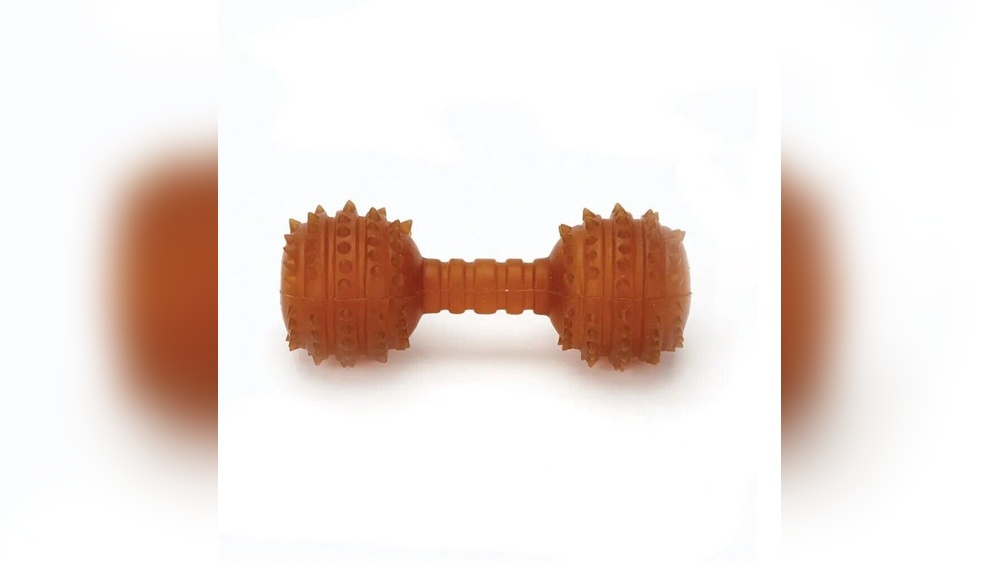
If you have both a baby and a dog at home, you might wonder if dog chew toys are safe for your little one. You want to keep your baby happy and healthy, but you’re also looking for easy ways to soothe those teething gums.
Could these toys be a good solution, or do they pose hidden risks you should know about? Keep reading to discover what experts say and how you can protect your baby while making smart choices for your family.
Risks Of Dog Chew Toys For Babies
Dog chew toys might seem harmless, but they carry risks for babies. Babies explore the world by putting things in their mouths. This habit can lead to potential dangers if they access dog toys. Understanding these risks helps keep babies safe.
Choking Hazards
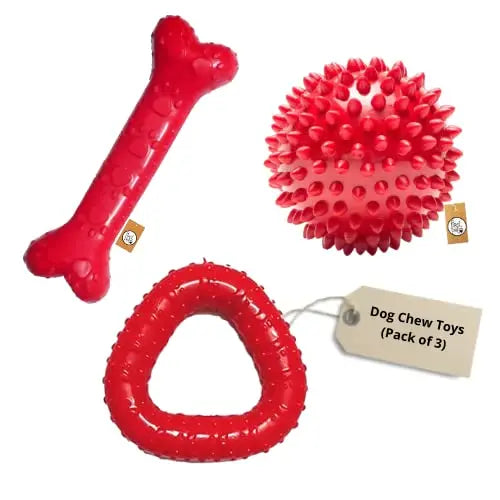
Dog chew toys often have small parts or pieces. Babies can easily swallow these parts. This swallowing can block their airways. Some toys break into sharp pieces. These fragments pose a choking risk or can hurt the baby’s mouth.
Toxic Materials
Many dog chew toys contain chemicals not safe for babies. Some plastics or dyes release harmful toxins. Babies’ developing bodies are sensitive to these substances. Chewing on toxic toys can cause illness or allergic reactions. Always check the toy’s material before letting babies near them.
Bacterial Contamination
Dog chew toys often carry germs and bacteria. Dogs use them outdoors and in dirty places. Babies’ immune systems are still growing and are vulnerable. Bacteria on toys can cause infections or stomach issues. Regular cleaning of any shared items is essential to reduce this risk.
Choosing Safe Chew Toys
Choosing safe chew toys for babies needs care and attention. Babies explore the world by chewing. Not all dog chew toys suit babies. Some may pose risks. Knowing what makes a toy safe helps protect your child. Focus on materials, size, and ingredients.
Material Safety Standards
Check if the toy meets strict safety rules. Toys made from BPA-free plastic or natural rubber are better. Avoid toys with sharp edges or loose parts. Certified toys go through tests to ensure safety. Always pick toys labeled safe for babies.
Size And Shape Considerations
Choose toys that fit your baby’s mouth well. Too small toys can cause choking hazards. Large toys may be hard to hold and chew. Rounded edges reduce the risk of cuts or injuries. Pick simple shapes that are easy to grip.
Non-toxic Ingredients
Toys must not contain harmful chemicals or dyes. Non-toxic ingredients keep babies safe from poisoning. Avoid toys with phthalates, lead, or harmful paints. Look for labels stating the toy is free from toxins. Clean toys regularly to keep them safe and hygienic.
Alternatives To Dog Chew Toys For Babies
Dog chew toys are not designed for babies. They may have small parts or materials unsafe for infants. Choosing safer options helps protect your baby’s health and comfort. Here are some good alternatives that fit a baby’s needs.
Baby-specific Teething Toys
These toys are made just for teething babies. They come in soft, chewable shapes that soothe gums. Most are BPA-free and easy to clean. Some have textures that massage sore gums gently. They are small and light for little hands.
Natural Teething Solutions
Natural options include cold washcloths or chilled fruit in a mesh feeder. These provide cool relief without chemicals. Wooden teething rings made from safe wood also work well. They are sturdy and free from harmful substances. Natural solutions often calm babies with simple comfort.
Diy Safe Toys
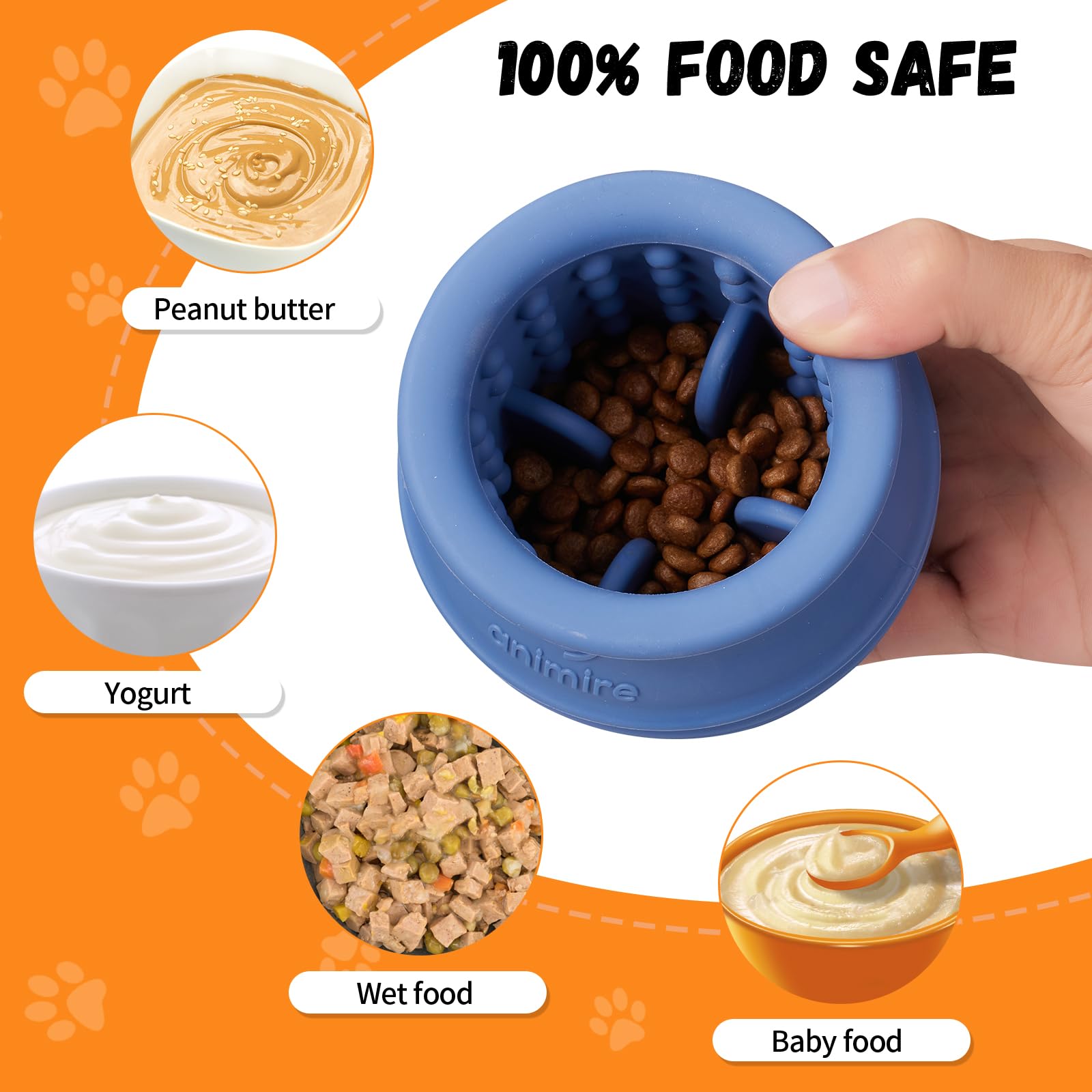
Making your own teething toys is a safe choice. Use clean fabric and fill with soft stuffing. Freeze a damp cloth for a cool, soothing toy. Avoid hard or sharp objects. DIY toys let you control materials and size. They fit your baby’s needs perfectly.
Credit: antoniosbanquet.com
Cleaning And Maintenance Tips
Cleaning and maintaining dog chew toys used by babies is very important. It helps keep germs away and makes sure the toys stay safe. Regular care stops bacteria and dirt from building up. Parents can protect their little ones by following a few simple steps.
Proper Sanitization Methods
Wash chew toys with warm water and mild soap. Use a soft brush to clean hard-to-reach spots. Rinse toys well to remove all soap. Some toys can go in the dishwasher. Check the label to be sure. Avoid harsh chemicals that can harm babies.
Frequency Of Cleaning
Clean chew toys after each use or daily if used often. More frequent cleaning is needed if toys fall on the floor. Dry toys completely before giving them back to babies. This prevents mold and bacteria growth. A clean toy is a safe toy.
Inspecting For Wear And Tear
Check toys regularly for cracks or broken parts. Small pieces can break off and cause choking. Throw away damaged toys right away. Replace toys that look worn out. Keeping toys in good shape protects babies from harm.
Supervision And Usage Guidelines
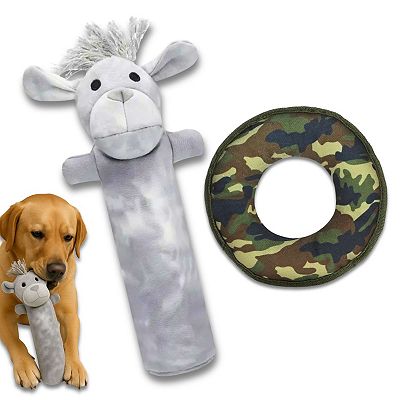
Supervision and clear usage guidelines are crucial when babies play with dog chew toys. These toys are designed for dogs, not babies, so careful monitoring is necessary. Proper use helps prevent choking hazards and exposure to harmful materials. Creating a safe playtime routine ensures babies stay safe and happy.
When To Allow Toy Use
Allow babies to use dog chew toys only under close adult supervision. Avoid giving these toys to very young babies who still put everything in their mouth. Wait until your baby has better chewing control and can handle toys safely. Use the toy only during short play sessions to reduce risks.
Safe Play Environment
Keep the play area clean and free from small objects that babies can swallow. Use dog chew toys in a soft, padded space to prevent injury. Remove any broken or damaged toys immediately. Always check the toy’s size to ensure it is too big to swallow.
Recognizing Unsafe Behavior
Watch for signs that your baby is biting too hard or chewing pieces off the toy. Stop play if your baby tries to swallow parts or shows discomfort. Look for coughing, gagging, or excessive drooling as warning signs. Always be ready to remove the toy if unsafe behavior occurs.
Credit: www.kohls.com
Credit: amanpetshop.com
Frequently Asked Questions
Are Dog Chew Toys Safe For Babies To Use?
Dog chew toys are not safe for babies. They may contain harmful materials and bacteria. Babies need toys specifically designed for their age and safety standards.
Can Babies Share Toys With Dogs Safely?
No, babies should not share toys with dogs. Dog toys can carry germs and small parts that may harm babies. Always provide separate, age-appropriate toys for babies and pets.
What Materials In Dog Chew Toys Are Harmful To Babies?
Dog chew toys may contain toxic plastics, chemicals, or small parts. These materials can cause choking or poisoning in babies. Always avoid using dog toys as baby teething toys.
How To Choose Safe Toys For Teething Babies?
Choose toys made from BPA-free, non-toxic materials. Ensure toys are durable, easy to clean, and sized to prevent choking. Always check for safety certifications specific to baby products.
Conclusion
Dog chew toys are not made for babies’ safety or health. Babies need toys designed for their age and chewing habits. Dog toys may have small parts or harmful materials. Always choose baby-safe chew toys with non-toxic materials. Watch your baby closely while they play or chew.
Keeping babies safe means picking the right toys carefully. Remember, safety comes first for your little one’s happiness. Choose wisely and enjoy worry-free playtime every day.
