

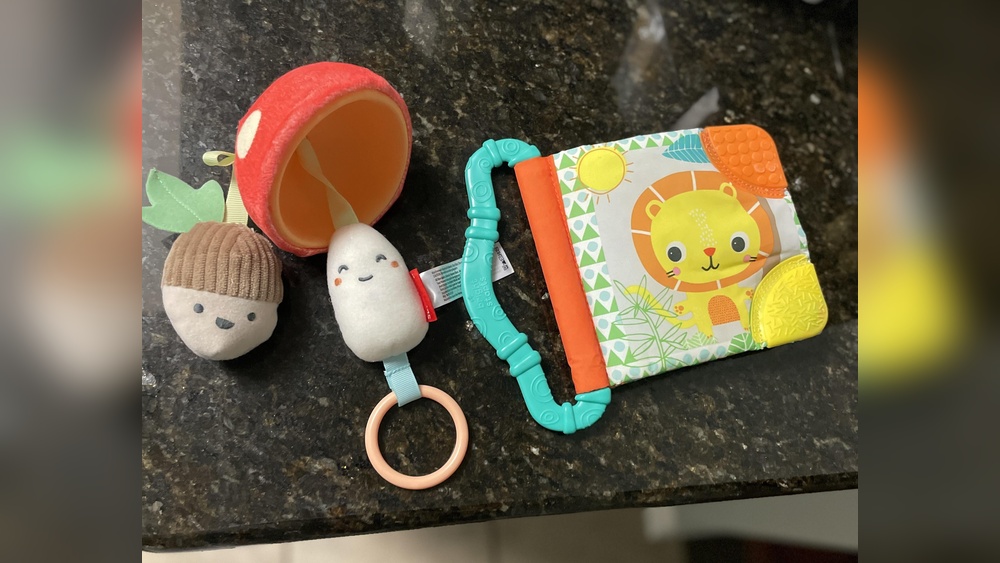
Your baby’s soft toys are more than just playthings—they’re comfort, fun, and often your little one’s favorite companions. But have you ever wondered how clean those cuddly toys really are?
Keeping them fresh and germ-free is key to protecting your child’s health and ensuring endless safe playtime. You’ll discover simple, effective ways to clean soft baby toys without damaging them. By the end, you’ll feel confident and ready to tackle this important task with ease.
Let’s dive in and make those toys as clean and cozy as your baby loves them!

Credit: www.reddit.com
Choosing Safe Cleaning Methods
Choosing safe cleaning methods for soft baby toys is very important. These toys often have delicate fabrics and small parts. Using the right cleaning techniques keeps them fresh without damage. It also protects your baby’s health by avoiding harmful substances.
Soft toys can harbor germs, dust, and allergens. Cleaning them safely removes these risks. Always pick gentle and effective cleaning options. This helps maintain the toy’s softness and color. Here are two key points to consider when selecting cleaning methods.
Check Toy Labels
Always read the toy’s label before cleaning. Labels provide important care instructions. They tell you if the toy can be machine washed or needs hand cleaning. Some toys may require surface cleaning only.
Follow the label’s advice carefully. Ignoring it can ruin the toy. It may shrink, lose color, or lose shape. Labels also warn about water temperature and drying methods.
Avoid Harsh Chemicals
Harsh chemicals can harm soft toys and your baby. Stay away from bleach, strong detergents, and fabric softeners. These may irritate your baby’s skin or eyes. They can also break down the toy’s fabric over time.
Use mild, baby-safe cleaning products. Natural or gentle detergents work best. They clean well without damaging the toy. Rinse toys thoroughly to remove all soap residues.
Hand Washing Techniques
Hand washing soft baby toys keeps them clean and safe for little ones. This method is gentle and helps avoid damage. It is perfect for delicate fabrics and toys with parts that cannot go in a washing machine. Follow these simple steps for best results.
Preparing A Gentle Solution
Fill a basin with warm water. Add a small amount of mild baby detergent or gentle soap. Mix the water until it becomes sudsy. Avoid strong chemicals or bleach. These can harm soft fabrics and irritate baby’s skin.
Spot Cleaning Stains
Dip a soft cloth or sponge into the soapy water. Gently rub the stained areas of the toy. Use light pressure to avoid damage. Repeat if stains remain. Do not soak the entire toy if only one spot is dirty.
Rinsing And Drying Properly
Rinse the toy under clean, cool water to remove all soap. Squeeze gently to get rid of excess water. Avoid wringing or twisting the toy. Lay it flat on a clean towel to air dry. Keep it away from direct sunlight and heat sources to prevent fading or warping.
Machine Washing Tips
Cleaning soft baby toys in the washing machine saves time and keeps them fresh. Knowing how to wash them properly protects their shape and fabric. Follow these simple machine washing tips for best results.
Selecting The Right Cycle
Choose a gentle or delicate cycle to protect soft toys. These cycles use slow spins and cold water. It helps prevent damage to fabric and stuffing. Avoid hot water as it can shrink or fade the toy.
Using Laundry Bags
Place soft toys inside laundry bags before washing. Laundry bags protect toys from rough washing motions. They stop small parts from tearing or falling off. Use mesh bags designed for delicate items.
Drying After Machine Wash
Air drying is the safest way to dry soft toys. Lay them flat on a clean towel in a dry place. Avoid direct sunlight to keep colors bright. If using a dryer, select the lowest heat or air fluff setting.
Disinfecting Soft Toys Safely
Disinfecting soft baby toys is important for keeping your child safe. These toys can gather germs from hands, floors, and mouths. Cleaning them with harsh chemicals is not safe for babies. Use gentle, natural methods to remove dirt and kill germs without harming the toy or your child.
Using Vinegar And Baking Soda
Vinegar and baking soda are natural cleaners. Mix one cup of white vinegar with one cup of water. Spray this on the toy and let it sit for 10 minutes. Then sprinkle baking soda on the toy. Gently scrub with a soft brush. Rinse well with clean water. Vinegar kills germs, and baking soda removes odors.
Steam Cleaning Options
Steam cleaning uses hot steam to kill bacteria. Use a handheld steam cleaner or a steam mop with a soft cloth. Hold the steam over the toy for a few seconds. Do not soak the toy. Steam cleaning is fast and chemical-free. It is perfect for toys that can handle heat and moisture.
Sunlight As A Natural Disinfectant
Sunlight is a great natural way to disinfect toys. Lay the toy outside in direct sunlight for a few hours. The sun’s ultraviolet rays kill many germs. Make sure the toy is dry before giving it back to your baby. Avoid leaving toys outside too long to prevent color fading.
Maintaining Toy Freshness Between Washes
Keeping soft baby toys fresh between washes helps protect your child’s health. Toys can collect dust, dirt, and germs quickly. Regular care maintains their softness and smell. Simple habits keep toys clean without frequent washing. This saves time and keeps toys ready for play.
Regular Brushing
Use a soft brush to remove dust and dirt. Brush gently on the toy’s surface. This prevents buildup and keeps the fabric smooth. Brushing also helps remove loose hair and crumbs. Do this once a week for best results.
Using Fabric Fresheners
Lightly spray fabric fresheners made for baby items. Choose fresheners without harsh chemicals or strong scents. This keeps toys smelling clean and pleasant. Avoid soaking the toy. A quick spray and air dry is enough to refresh the fabric.
Proper Storage Practices
Store toys in a clean, dry place away from direct sunlight. Use breathable bags or containers to avoid moisture buildup. Avoid crowded spaces that can crush or deform toys. Keeping toys organized helps reduce dust and keeps them fresh longer.
Credit: www.reddit.com
Handling Delicate Or Electronic Soft Toys
Soft baby toys bring comfort and joy to little ones. Some toys are delicate or have electronic parts inside. These toys need gentle care. Cleaning them the right way keeps them safe and working well. Follow simple steps to protect these special toys during cleaning.
Spot Cleaning Only
Delicate and electronic toys should not be soaked in water. Use a damp cloth with mild soap to clean small dirty spots. Gently rub the area until clean. Avoid harsh scrubbing that can damage the fabric or electronics. Let the toy air dry completely before use.
Protecting Electronic Components
Electronic parts inside toys must stay dry. Cover battery compartments with tape if needed. Avoid getting water near buttons, switches, or speakers. Use a soft brush or cloth to dust off these areas. Keep liquids away to prevent damage or short circuits.
Consulting Manufacturer Guidelines
Always check the toy’s label or manual for cleaning advice. Manufacturers provide safe cleaning instructions specific to each toy. Follow these guidelines to avoid voiding warranties or causing harm. If unsure, contact the manufacturer for help before cleaning.
Credit: mybtoys.com
Frequently Asked Questions
How Often Should I Clean Soft Baby Toys?
Clean soft baby toys weekly to remove dirt and germs. Frequent washing prevents bacteria buildup and keeps toys safe for babies to use.
What Is The Safest Way To Clean Soft Baby Toys?
Hand wash with mild soap and warm water. Avoid harsh chemicals to protect the toy’s fabric and your baby’s health.
Can I Machine Wash Soft Baby Toys?
Yes, machine wash on a gentle cycle using mild detergent. Place toys in a laundry bag to avoid damage during washing.
How Do I Dry Soft Baby Toys After Cleaning?
Air dry soft baby toys thoroughly to prevent mold. Avoid using high heat dryers as they may damage the fabric or stuffing.
Conclusion
Cleaning soft baby toys keeps them safe and fresh for your child. Use gentle soap and water to remove dirt and germs. Avoid harsh chemicals that might harm delicate fabrics. Dry toys thoroughly to prevent mold or mildew. Regular cleaning helps maintain a healthy play environment.
It also extends the life of the toys your baby loves. Simple steps make a big difference in cleanliness and safety. Keep your baby’s toys clean, soft, and ready for playtime. Safe toys mean happy babies and happy parents too.
