

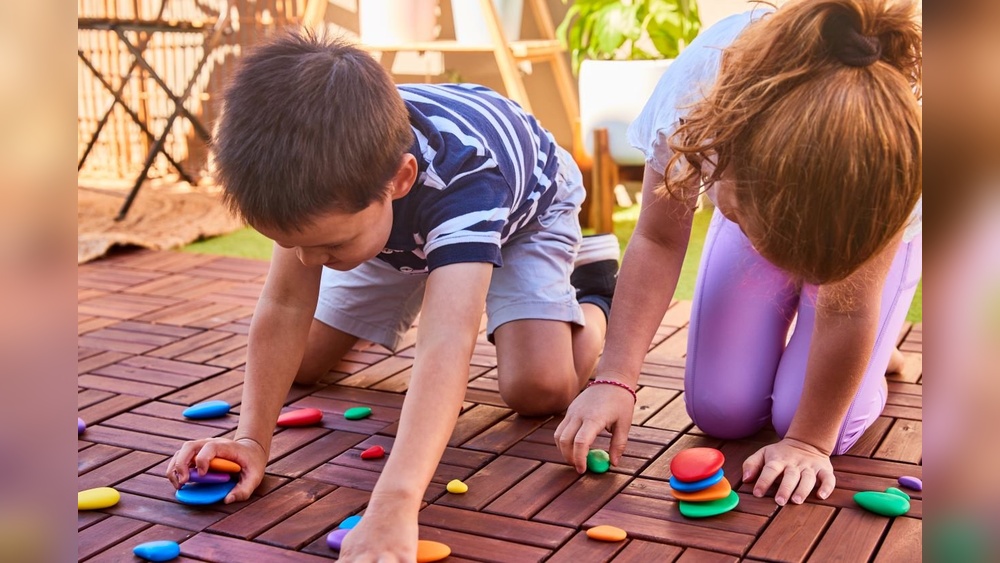
Have you ever wondered why your child suddenly loses interest in their favorite toys? One day, those colorful blocks and action figures were the center of their world, and the next, they seem forgotten.
It’s not just about growing up—there’s more to this change than meets the eye. Understanding why kids stop playing with toys can help you reconnect with your child’s world and support their growth in the right way. Keep reading to discover the surprising reasons behind this shift and how you can turn it into a positive experience for both of you.
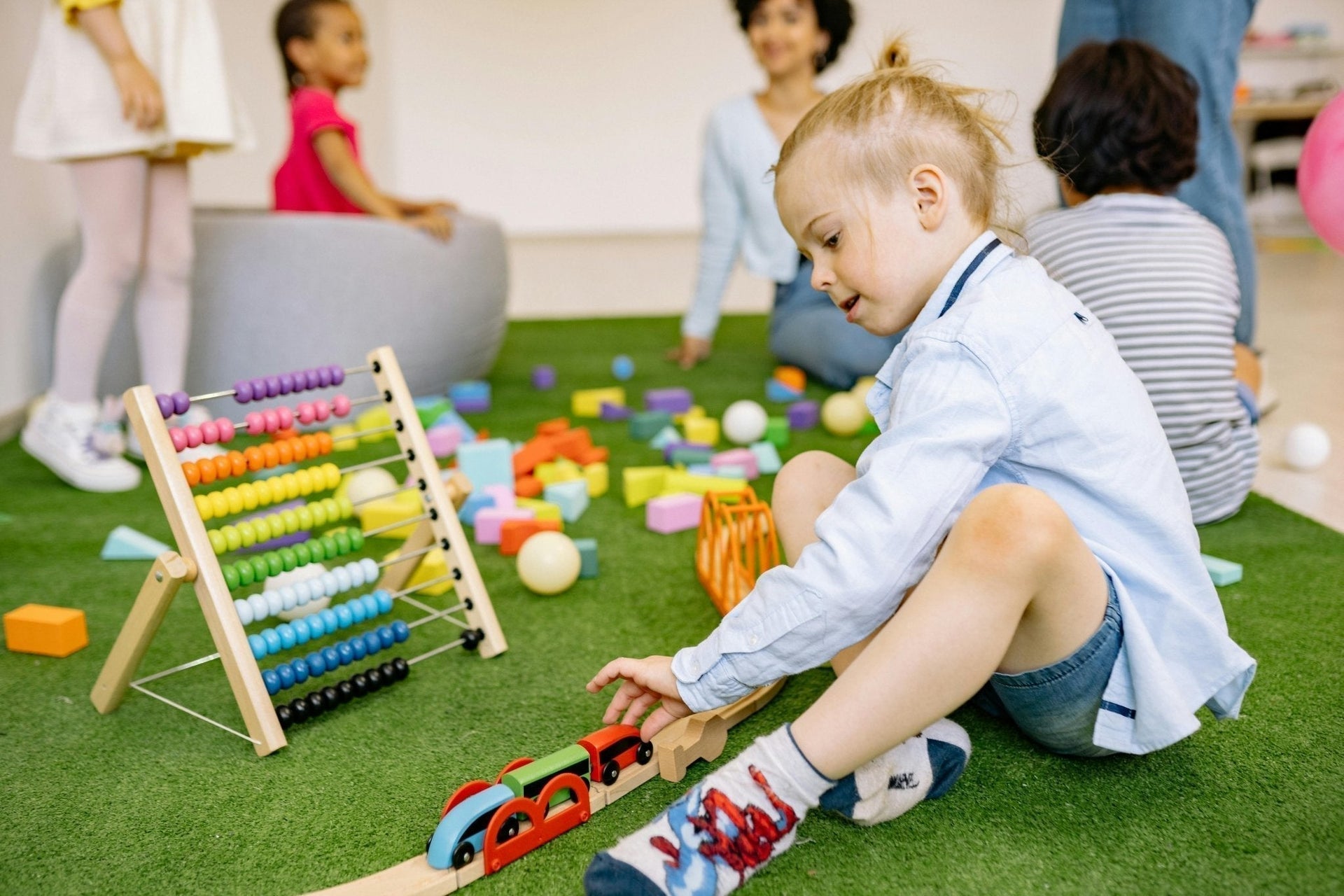
Credit: www.sillbird.com
Changing Interests
Children’s interests change as they grow. Toys that once excited them may no longer hold their attention. This shift happens naturally and shows their development and curiosity about the world around them.
As kids explore new things, their play habits evolve. Different activities catch their eyes, leading them away from traditional toys. Understanding these changes helps parents support their children’s growth.
Shift Towards Digital Entertainment
Many children prefer screens over toys now. Tablets, smartphones, and video games offer fast, colorful fun. These digital options feel more interactive and keep kids engaged longer.
Apps and online videos provide endless content. This variety can seem more exciting than playing with the same toys. Digital entertainment also allows kids to connect with friends online.
Growing Social Activities
As kids grow, they spend more time with friends. Group games and sports become more attractive than solo play. Social activities help them learn teamwork and communication.
Playing outside or joining clubs pulls children away from toys. They enjoy real-world experiences and shared moments with peers. Social interaction becomes a priority over individual play.
Exploring New Hobbies
New interests often replace toys in children’s lives. Drawing, music, or reading can capture their attention. These hobbies help children develop new skills and express creativity.
Trying different activities broadens their horizons. Kids feel proud when they learn something new. This excitement can reduce the time spent playing with toys.

Credit: toyboxcity.com
Developmental Milestones
Children grow fast. Their interests and skills change as they reach new stages. These changes affect how they play and what toys they like. Developmental milestones show what children can do at different ages. Understanding these milestones helps explain why kids stop playing with some toys.
Play is part of learning. Each milestone brings new abilities that shape play choices. Toys that once excited a child may no longer fit their needs. This is normal and shows healthy growth.
Cognitive Growth And Toy Preferences
Children’s thinking skills develop quickly. They start to understand ideas and solve simple problems. Toys that challenge their mind become more interesting. Puzzles, building blocks, and simple board games attract attention. Toys that are too easy or too hard lose appeal. As kids learn more, they want toys that match their growing brain.
Physical Skills And Play Choices
Physical abilities change too. Babies begin by grabbing and mouthing toys. Toddlers start to run and climb. Older children enjoy activities that use more strength and coordination. Toys for crawling or sitting become less fun. They prefer balls, bikes, or sports equipment. Their play shifts to match their body’s new skills.
Emotional Factors
Emotional factors play a big role in why kids stop playing with toys. As children grow, their feelings and needs change. These changes affect how they see toys and playtime. Understanding these emotional shifts helps explain why toys lose their appeal.
Seeking Independence
Kids want to do things on their own. They start to make choices without help. Playing with toys may feel too simple or controlled. They look for activities that show their skills and decisions. Independence is a strong feeling that guides their play.
Imagination And Role Play Changes
Children’s imagination grows beyond simple toys. They begin to create stories and act out roles. Toys may seem less interesting if they do not fit these new ideas. Role play with friends or alone becomes more important. This shift changes how kids use toys in their play.
Toy Design And Appeal
Toy design plays a big role in how long kids stay interested. Toys that match a child’s stage of growth and skills catch their attention. If a toy is too simple or too hard, kids lose interest fast. The look and feel of a toy also matter. Bright colors, fun shapes, and smooth textures invite children to play. Toys that offer new challenges keep kids curious and happy.
Age-appropriate Toys
Toys should fit a child’s age and abilities. Babies like soft, safe toys to explore with hands and mouth. Toddlers enjoy toys that move or make sounds. Older kids want toys that let them build, solve, or pretend. Toys that match their growing skills help kids learn and have fun. Age-appropriate toys reduce frustration and boredom.
Toy Quality And Engagement
Good quality toys last longer and keep kids interested. Sturdy toys that do not break easily feel better to play with. Toys with parts that move or change offer more ways to play. Open-ended toys, like blocks or dolls, let children use their imagination. Toys that offer new experiences keep kids coming back for more.
Parental Influence
Parents play a big role in how children use their toys. Their actions and choices can either inspire kids to keep playing or make them lose interest quickly. Understanding this influence helps parents support their child’s playtime better.
Encouragement And Restrictions
Parents who encourage play often see kids enjoying toys longer. Simple praise or joining in can boost a child’s interest. On the other hand, strict rules can limit play. Too many restrictions make toys feel less fun. Kids may stop playing if they feel controlled.
Providing Variety And Stimulation
Offering different types of toys keeps children curious. New challenges and colors catch their eyes. Changing toys regularly can prevent boredom. Parents who provide varied options help kids explore and learn. This keeps toys exciting and fresh for longer periods.
Social Environment
The social environment plays a big role in why kids stop playing with toys. Kids learn from friends and people around them. Their choices often change based on what others do. Social settings shape how children spend their free time. Toys might seem less fun if friends prefer other activities. Group dynamics guide children toward new interests.
Understanding these social factors helps explain changes in play habits. It also shows how friendships affect what kids enjoy. Social interaction is a key part of childhood development. It influences not only play but also learning and behavior.
Peer Influence On Play
Friends have a strong impact on what kids like to play. If peers stop using certain toys, others may follow. Children want to fit in and be accepted by their group. They copy friends’ play styles and choices. Peer pressure can shift focus from toys to other fun activities. This makes some toys less popular over time.
Group Activities Vs Solo Play
Group activities offer social fun that toys alone cannot. Kids enjoy sports, games, and team challenges with friends. These activities build social skills and friendships. Solo play with toys feels less exciting compared to group fun. As kids grow, they often choose group play more. This shift explains why toys may get less attention.
Practical Reasons
Kids often stop playing with toys for simple, practical reasons. These reasons affect their interest and ability to enjoy playtime. Understanding these can help parents and caregivers create better play environments.
Toy Overload And Clutter
Too many toys can overwhelm a child. When toys are everywhere, it becomes hard to focus on one. The mess can make playing stressful instead of fun. Kids might ignore toys because they feel lost in clutter. A few favorite toys out in the open work better. This helps kids choose and enjoy their playtime more.
Access And Availability
Toys must be easy to reach for kids to play. If toys are stored too high or put away, children forget about them. Limited access means fewer chances to play and explore. Keeping toys within a child’s reach invites more play. Changing the toys available also keeps interest alive.
Credit: edxeducation.com
Frequently Asked Questions
Why Do Kids Lose Interest In Toys Quickly?
Kids lose interest as they seek new challenges and experiences. Toys may no longer stimulate their growing minds. They often shift focus to social activities or digital entertainment, finding toys less engaging over time.
When Do Children Typically Stop Playing With Toys?
Children generally start losing interest in toys around ages 7 to 10. At this stage, they prefer more complex activities like sports, video games, or socializing. Their changing interests reflect developmental growth and cognitive maturity.
How Does Age Affect Toy Preferences In Kids?
As kids age, their cognitive and motor skills improve, demanding more complex toys. Younger children prefer simple, sensory toys, while older kids seek puzzles, strategy games, or tech-based toys. This shift influences when and why they stop playing with certain toys.
Can Social Factors Influence Kids Stopping Toy Play?
Yes, peer influence and social interactions play a big role. Kids often adopt interests of friends, which may include non-toy activities. Social acceptance and trends can lead to reduced toy usage over time.
Conclusion
Kids stop playing with toys as they grow and change interests. Their minds seek new challenges and social activities. Toys may feel less exciting or too simple. Technology and friends often take more of their time. Parents can support by offering fresh experiences and learning opportunities.
Understanding this shift helps caregivers stay connected with kids. Play remains important, just in different ways now. Children’s growth means new forms of fun and learning.
