

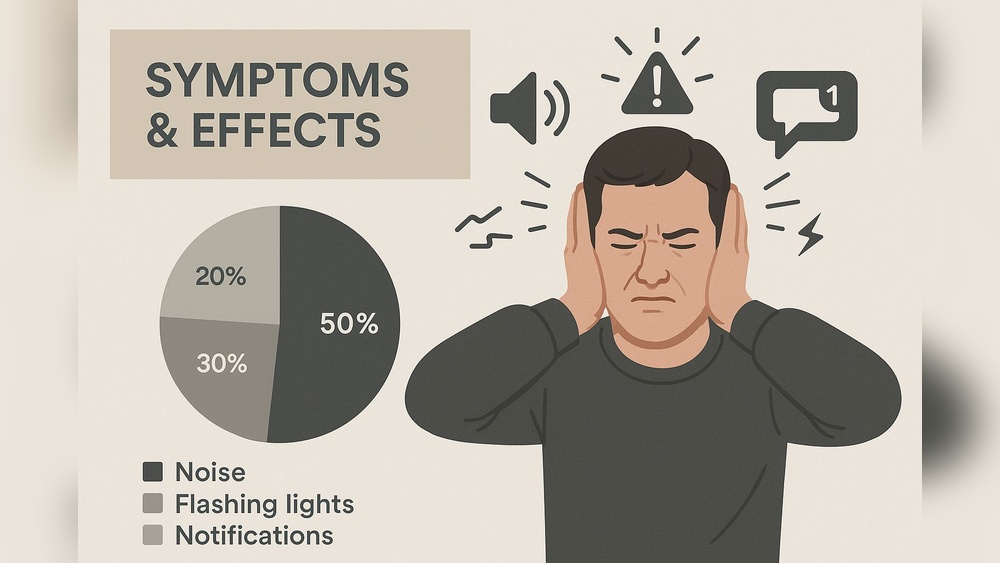
Have you ever noticed how flashing lights can make a child suddenly uncomfortable or restless? If you’re a parent, teacher, or caregiver, understanding why these lights affect children so strongly can help you create a calmer, safer environment.
Flashing lights don’t just catch your child’s attention—they can actually overwhelm their brain, leading to stress and difficulty focusing. Keep reading to discover the surprising reasons behind this reaction and what you can do to protect your child from overstimulation.
Your child’s comfort and well-being might depend on it.
How Flashing Lights Affect The Brain
Flashing lights send strong signals to the brain. These signals come from the eyes and travel quickly to the brain’s visual centers. The brain tries to process the rapid changes in light and color. This fast input can confuse the brain and make it hard to focus.
Children’s brains are still growing and are more sensitive. They react more strongly to these bright, flickering lights. This reaction can cause feelings of discomfort or stress. Understanding how the brain responds helps explain why flashing lights overstimulate children.
Neural Response To Visual Stimuli
The brain uses neurons to process what the eyes see. Flashing lights cause neurons to fire repeatedly and rapidly. This overloads the brain’s normal processing speed. The neurons struggle to keep up with the fast signals.
Repeated flashes can cause neurons to become hyperactive. This hyperactivity can lead to confusion or even headaches. Children may feel tired or anxious after exposure to flashing lights. Their brains need more time to calm down.
Sensory Overload Mechanisms
Sensory overload happens when the brain gets too much information. Flashing lights add to this by giving quick, intense visual input. The brain cannot filter out the extra signals well.
In children, this overload causes stress and discomfort. They may cover their eyes or try to avoid bright places. Sensory overload can lead to irritability and trouble concentrating. The brain’s protective response tries to reduce the input but may not succeed quickly.

Credit: raisingchildren.net.au
Children’s Sensory Sensitivity
Children often react more strongly to flashing lights than adults do. Their senses are still developing and can be very sensitive. Bright, quick flashes can feel overwhelming or even frightening. This sensitivity affects how they see and process the world around them.
Developmental Differences
Children’s brains are not fully developed. Their nerves send signals differently than adults’ nerves. This makes them more likely to notice small changes in light. Flashing lights can confuse their brain’s ability to focus. This overload can cause discomfort or distress.
Heightened Perception In Kids
Kids often notice details adults miss. Their eyes and brain are alert to bright colors and sudden movements. Flashing lights create strong visual effects that grab their attention. Too much stimulation can lead to stress or anxiety. This is why flashing lights may cause overstimulation in children.
Common Triggers In Flashing Lights
Flashing lights can affect children in different ways. Some lights may cause overstimulation. This happens when children’s brains get too much visual information. Certain triggers in flashing lights make this more likely. Understanding these triggers helps parents and teachers create safer environments.
Frequency And Intensity Factors
The speed of flashing lights is a major trigger. Fast flashes can overwhelm a child’s brain. High intensity or very bright lights add to the effect. Bright, quick flashes can cause discomfort or even headaches. Children with sensory sensitivities are more at risk.
Color And Pattern Impact
Colors in flashing lights also matter. Some colors like red or blue seem stronger to children. Rapid changes in color can confuse the brain. Complex or irregular patterns add to the challenge. Simple, slow patterns are easier for children to process.

Credit: raisingchildren.net.au
Behavioral And Emotional Reactions
Flashing lights can cause strong reactions in children’s behavior and emotions. Bright, quick changes in light can overwhelm their senses. This overload can make children feel uneasy or upset. Understanding these reactions helps parents and caregivers support children better.
Signs Of Overstimulation
Children may show many signs when lights overstimulate them. They might cover their eyes or turn away quickly. Some may become fidgety, restless, or have trouble sitting still. Others may cry, yell, or have sudden mood changes. Watch for these behaviors in places with flashing lights.
Long-term Effects On Children
Repeated exposure to flashing lights can affect children over time. It can increase anxiety and stress levels. Some children may develop fear of bright environments. Difficulty concentrating or sleeping may also appear. Protecting children from constant flashing lights is important for their well-being.
Conditions Exacerbated By Flashing Lights
Flashing lights can cause strong reactions in some children. Certain health conditions make children more sensitive to these lights. These conditions can worsen or trigger symptoms. Understanding these helps protect children from harm.
Epilepsy And Seizure Risks
Flashing lights can trigger seizures in children with epilepsy. These lights create rapid changes in brightness and color. The brain may respond with abnormal electrical activity. This can lead to a seizure, which is dangerous. Children with photosensitive epilepsy are especially at risk.
Seizures vary but often involve loss of control or awareness. Avoiding flashing lights helps reduce seizure chances. Caregivers should be aware of environments with flashing lights.
Sensory Processing Disorders
Children with sensory processing disorders react strongly to flashing lights. Their brains have trouble handling intense sensory input. Flashing lights can cause stress and discomfort. This overstimulation may lead to anxiety or meltdowns.
Such children may cover their eyes or try to escape bright areas. Understanding this helps create safer, calmer spaces. Reducing flashing light exposure supports better focus and comfort.

Credit: www.goldenstepsaba.com
Safe Environments For Children
Creating safe environments for children is very important. Bright, flashing lights can cause stress and discomfort. These lights can make children anxious or restless. Some kids may even have headaches or trouble concentrating. Keeping spaces calm helps children feel secure and focused.
Reducing Exposure To Flashing Lights
Limit the use of flashing lights in areas where children play or learn. Choose steady, soft lighting instead. Avoid decorations or toys with blinking lights. Use curtains or blinds to control sunlight and reduce glare. This helps lower the chance of overstimulation. Children stay calmer with less visual noise around them.
Designing Kid-friendly Spaces
Pick colors that are soft and soothing. Avoid harsh patterns that can confuse the eyes. Use natural light as much as possible. Arrange furniture to give children space to move freely. Include quiet zones where kids can rest or focus. These choices create a peaceful place that supports healthy growth and learning.
Tips For Parents And Caregivers
Flashing lights can easily overwhelm children, especially those sensitive to sensory input. Parents and caregivers play a key role in spotting signs early and helping children calm down. Simple steps can make a big difference in managing overstimulation.
Recognizing Overstimulation Early
Look for changes in behavior. Children may cover their eyes or ears. They might become restless or irritable. Watch for sudden crying or withdrawal. These signs show the child feels overwhelmed. Catching these early helps avoid a full meltdown. Pay attention to body language and facial expressions too. Early recognition allows quick action and comfort.
Effective Soothing Techniques
Offer a quiet, dim space for the child to relax. Soft music or white noise can help. Use gentle touch, like a hand on the back. Give the child a favorite toy or blanket. Encourage slow, deep breaths together. Limit exposure to flashing lights after calming begins. These methods support calming and reduce stress. Patience and consistency work best in soothing.
Frequently Asked Questions
Why Do Flashing Lights Overstimulate Children?
Flashing lights can overwhelm children’s developing brains. They cause sensory overload, leading to stress and difficulty focusing. Children may become anxious or irritable due to excessive visual stimulation. This impacts their ability to process other information effectively.
How Do Flashing Lights Affect Children With Sensory Issues?
Children with sensory processing disorders are more sensitive to flashing lights. These lights can trigger discomfort, anxiety, or meltdowns. Avoiding such stimuli helps them stay calm and engaged. It supports better behavior and learning outcomes.
Can Flashing Lights Trigger Seizures In Children?
Yes, flashing lights can trigger seizures in children with photosensitive epilepsy. Rapid light flashes cause abnormal brain activity. Parents and caregivers should limit exposure and consult healthcare professionals for safety measures.
What Environments Commonly Have Overstimulating Flashing Lights?
Places like arcades, concerts, and holiday displays often feature flashing lights. These settings can overwhelm children, especially those with sensory sensitivities. Being aware helps parents prepare or avoid such environments when needed.
Conclusion
Flashing lights can easily overwhelm children’s senses. Their brains work hard to process quick changes. This can lead to stress and difficulty focusing. Parents should watch for signs of distress. Choosing calmer environments helps children feel safe. Understanding this issue protects kids’ well-being.
Simple changes make a big difference every day. Keep children comfortable by reducing flashing lights around them. It supports healthy growth and happiness.
