

You want the best for your baby, and that includes keeping their toys clean and safe. But with so many cleaning options out there, how do you know which method truly protects your little one?
You might worry about harmful chemicals or germs hiding in those colorful blocks or soft plushies. This guide will help you discover the safest way to clean baby toys, giving you peace of mind every time your child plays. Keep reading to find simple, effective tips that fit easily into your busy routine.
Choosing Safe Cleaning Methods
Choosing safe cleaning methods for baby toys is very important. Babies often put toys in their mouths. Cleaning with the right products keeps them healthy and safe. Harsh chemicals can harm delicate skin and cause allergies. Safe cleaning methods protect your child and keep toys clean.
Non-toxic Cleaners For Baby Toys
Use non-toxic cleaners made for babies or children. These cleaners do not contain harmful chemicals. Look for products labeled as safe or gentle. Natural options like vinegar and baking soda also work well. They clean without leaving dangerous residues. Always rinse toys well after cleaning.
Avoiding Harmful Chemicals
Avoid cleaners with bleach, ammonia, or strong fragrances. These can irritate your baby’s skin and lungs. Some chemicals may cause allergic reactions or poisoning. Read labels carefully before buying any cleaning product. Choose simple, safe options to keep toys free of germs and safe to touch.
Credit: www.consumerreports.org
Cleaning Techniques For Different Toy Types
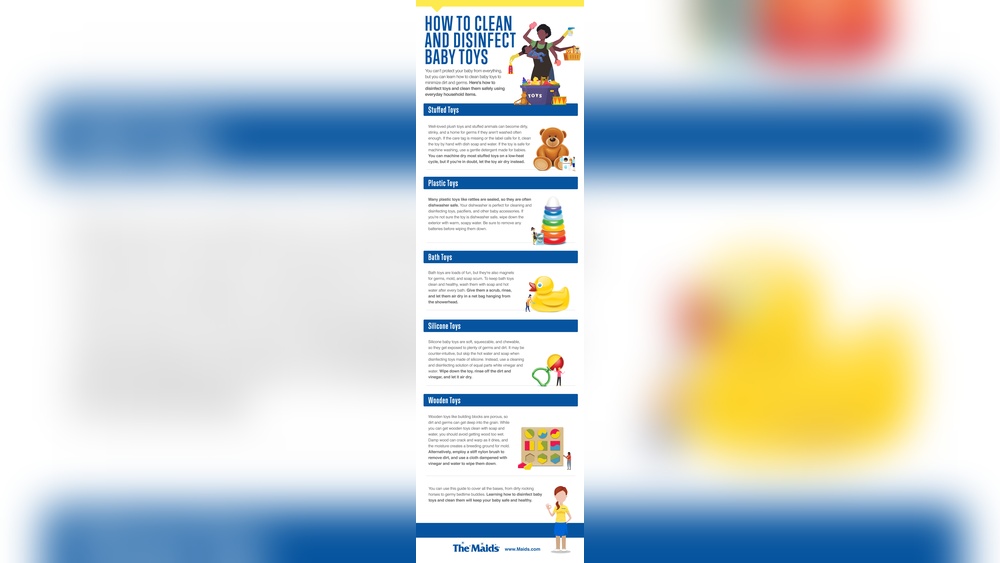
Cleaning baby toys keeps them safe and germ-free. Different toy materials need special care. Using the right method protects the toy and your child’s health. Below are easy cleaning tips for common toy types.
Plastic And Rubber Toys
Plastic and rubber toys can handle water well. Wash them with warm, soapy water using a soft cloth or sponge. Rinse thoroughly to remove soap. For extra cleaning, use a mixture of water and white vinegar. Let toys air dry completely before giving them back to the baby.
Fabric And Plush Toys
Fabric and plush toys need gentle cleaning. Check the label for washing instructions. Many can go in the washing machine on a gentle cycle. Use mild detergent and cold water. For small or delicate plush toys, hand wash with mild soap. Squeeze out water carefully and air dry. Avoid harsh scrubbing to keep fabric soft.
Electronic And Battery-operated Toys
Electronic toys require careful cleaning. Remove batteries before cleaning. Wipe surfaces with a damp cloth and mild soap. Avoid soaking or submerging these toys in water. Use a dry cloth to remove moisture. Let the toy dry completely before reinserting batteries. This keeps electronics safe and working well.
Step-by-step Cleaning Process
Cleaning baby toys is important to keep your child safe and healthy. A clear, simple cleaning process makes this task easier. Follow these steps for the best results. Each step helps remove dirt, germs, and germs that could harm your baby.
Pre-cleaning Preparation
Start by sorting the toys. Separate soft toys from hard ones. Check for any broken parts or cracks. Remove batteries or electronic parts if possible. This keeps the toys safe during cleaning. Use warm water to rinse off loose dirt before washing.
Washing And Sanitizing
Use mild soap and warm water for washing. Soft toys can go into the washing machine on a gentle cycle. Hard toys can be scrubbed with a soft brush. For sanitizing, use a safe solution like diluted vinegar or baby-safe disinfectant. Avoid harsh chemicals that may harm your baby.
Drying And Storage
Dry toys fully before storing. Air dry soft toys in a clean place. Use a towel to wipe hard toys. Store toys in a dry, clean container to avoid dust. Proper drying stops mold and bacteria growth.

Credit: www.whattoexpect.com
Frequency Of Cleaning Baby Toys
Keeping baby toys clean is important for your child’s health. Toys can carry germs and dirt. Cleaning them often helps prevent illness. How often you clean depends on the type of toy and use. Some toys need daily care. Others require deep cleaning less often. Setting a cleaning routine makes it easier to keep toys safe.
Daily Maintenance Tips
Wipe toys with a damp cloth every day. Use mild soap and warm water for better cleaning. Focus on toys your baby puts in their mouth. Let toys dry completely before giving them back. Check toys for damage or dirt during cleaning. Remove any broken parts to avoid choking hazards.
Deep Cleaning Schedule
Deep clean toys at least once a week. Use gentle disinfectants safe for babies. Soft toys can go in the washing machine on a gentle cycle. Hard toys can be soaked in soapy water for 10 minutes. Rinse well to remove all soap and disinfectant. Air dry toys fully before use to prevent mold growth.
Expert Recommendations And Safety Tips
Keeping baby toys clean is important for your child’s health. Experts give clear tips to help parents clean toys safely. These tips protect babies from germs and harmful chemicals. Follow simple steps to keep toys safe and clean every day.
Safe Handling And Hygiene
Wash your hands before and after cleaning toys. Use warm water and mild soap to clean surfaces. Avoid strong chemicals that may harm your baby. Rinse toys well to remove soap. Dry toys completely before giving them back to your child. Clean toys often, especially those your baby puts in their mouth.
Signs To Replace Toys
Look for cracks, breaks, or loose parts on toys. Damaged toys can hold germs and cause injury. If toys are hard to clean or very old, replace them. Soft toys should be washed regularly or replaced if worn. Check toys for fading or strange smells, which show they need replacing. Keep your baby’s toys safe and in good shape.

Credit: www.vtechtoysblog.com
Frequently Asked Questions
What Is The Safest Cleaning Method For Baby Toys?
The safest method is washing toys with warm water and mild soap. Avoid harsh chemicals to protect your baby’s health. Rinse thoroughly and air dry completely before use. This keeps toys clean and safe from germs.
Can I Use Vinegar To Clean Baby Toys?
Yes, diluted vinegar is a natural, safe cleaner for baby toys. Mix equal parts water and white vinegar. It disinfects without harmful chemicals. Always rinse toys well and let them dry completely.
How Often Should Baby Toys Be Cleaned?
Clean baby toys at least once a week. Wash more often if toys are shared or dropped on the floor. Regular cleaning prevents bacteria buildup and keeps your baby safe.
Are Dishwasher And Washing Machine Safe For Baby Toys?
Many plastic and silicone toys are dishwasher safe on the top rack. Soft toys can sometimes be machine washed. Always check the manufacturer’s instructions before cleaning this way.
Conclusion
Cleaning baby toys safely keeps your child healthy and happy. Use gentle soap and warm water to remove dirt and germs. Avoid harsh chemicals that can harm your baby’s skin. Regular cleaning stops bacteria and viruses from spreading. Soft toys may need machine washing, while plastic toys can be wiped clean.
Always dry toys well before giving them back to your baby. Simple steps protect your little one and give you peace of mind. Clean toys, happy baby. Easy and safe.
