

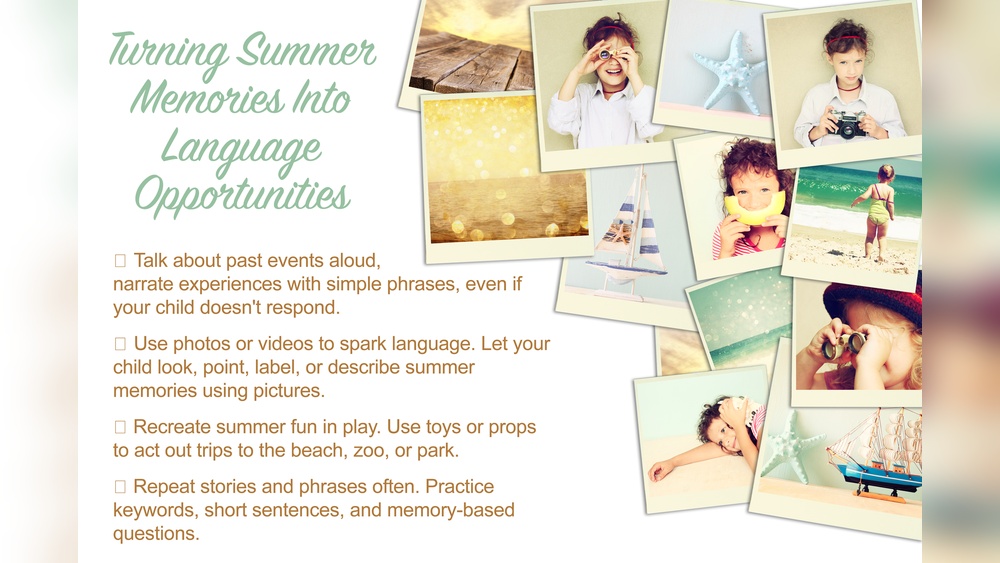
Have you ever watched a child playing with toys and wondered why they seem to act out stories or repeat what they see around them? It’s not just about fun or passing time.
When kids use toys to act out experiences, they are doing something powerful. They are learning, expressing feelings, and making sense of the world. Understanding this can help you support your child’s growth and creativity in ways you might not expect.
Keep reading to discover why this simple play is so important for your child’s development—and how you can encourage it every day.
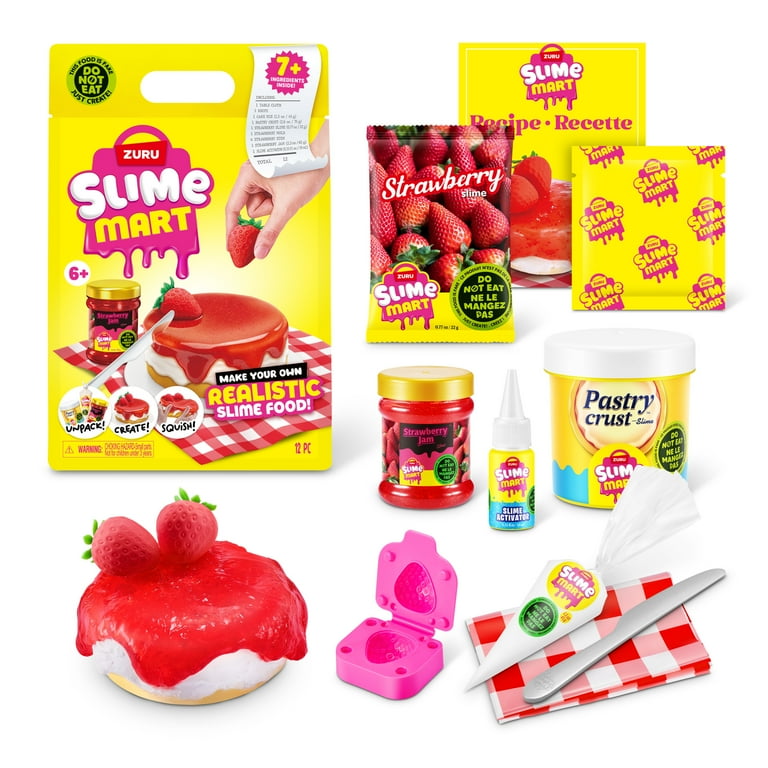
Credit: www.walmart.com
Role Of Play In Child Development
Play is a natural way children learn about the world around them. Through play, kids explore new ideas and practice skills. Toys help children act out stories and experiences. This process supports their growth in many ways. Play is not just fun; it is a key part of child development.
Children use toys to copy what they see and feel. This lets them understand life better. By pretending and imagining, they solve problems and express emotions. Play also helps kids connect with others. Each type of play supports different parts of their development.
Cognitive Growth Through Play
Playing with toys helps children think clearly. They learn cause and effect by testing ideas. Role play encourages imagination and creativity. Kids practice memory and attention while acting out scenarios. These activities build strong thinking skills for school and life.
Emotional Expression And Regulation
Toys allow kids to show feelings safely. Acting out experiences helps them understand emotions. Children learn to manage anger, fear, and joy. Play gives a way to release stress and frustration. This teaches emotional control and awareness.
Social Skills And Interaction
Playing with others teaches sharing and cooperation. Kids learn to listen and take turns. Role play improves communication and empathy. Group play helps children handle conflicts and build friendships. These skills are important for healthy social life.
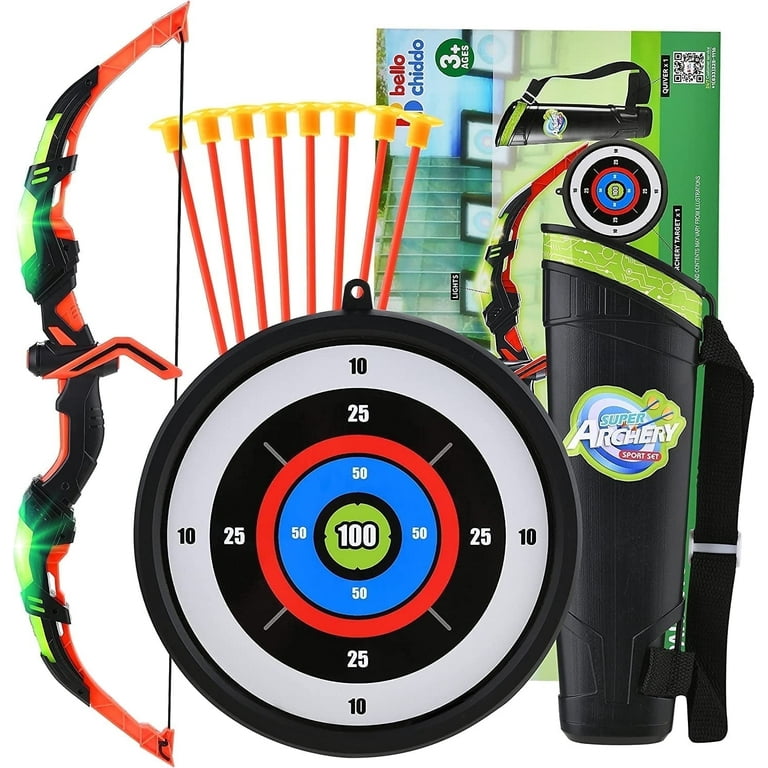
Credit: www.walmart.com
Imaginative Play And Creativity
Imaginative play is a key part of how children learn about the world. Through creativity, kids explore ideas and feelings. Toys become tools for this exploration. They help children act out stories and express themselves freely. This kind of play builds skills that last a lifetime.
How Toys Spark Imagination
Toys provide a starting point for creativity. A simple doll or action figure can become a hero or a friend. Blocks can turn into castles or cars. These items open doors to new ideas. Kids use toys to invent new worlds and adventures. This sparks their imagination in many ways.
Storytelling And Scenario Building
Children use toys to tell stories. They create characters, settings, and plots. Playing out these stories helps them understand life events. It also improves their communication skills. Scenario building encourages problem-solving and planning. Through storytelling, children learn to organize their thoughts.
Benefits Of Creative Exploration
Creative play strengthens brain development. It boosts language and social skills. Kids learn to express emotions and solve problems. Imaginative play builds confidence and independence. It also encourages curiosity and lifelong learning. These benefits support a child’s growth in many ways.
Acting Out Real-life Experiences
Children use toys to act out real-life experiences as a natural way to explore their world. This play helps them understand daily events, feelings, and social roles. Through acting, kids learn about life and practice skills they need every day.
Processing Daily Events
Kids often replay moments they saw or lived through. This helps them make sense of what happened. Using toys, they can repeat scenes and try different endings. It gives them control over confusing or new experiences.
Understanding Emotions And Roles
Playing with toys lets children explore feelings safely. They can act out happy, sad, or angry emotions. Kids also try different roles, like being a parent or a teacher. This helps them understand others’ points of view.
Building Problem-solving Skills
Acting out situations helps children find solutions to problems. They test ideas and see what works best. This kind of play encourages creativity and thinking ahead. It prepares them for challenges in real life.

Credit: www.amazon.com
Types Of Toys That Encourage Role Play
Children use toys to act out different experiences and stories. These toys help them explore their feelings and learn about the world. Some toys are better for role play because they invite kids to imagine and create.
Role play toys come in many forms. Each type encourages children to try new roles and practice social skills. These toys can be simple or complex, but all support creative play.
Dolls And Action Figures
Dolls and action figures are classic role play toys. Kids use them to act out daily life or fantasy stories. They help children understand emotions and relationships. Playing with dolls also builds empathy and communication skills.
Building Sets And Props
Building sets and props inspire children to create their own worlds. Blocks, miniature furniture, and toy vehicles add depth to their stories. These toys encourage problem-solving and planning. They make pretend play more realistic and fun.
Costumes And Dress-up Items
Costumes and dress-up items let kids become different characters. From firefighters to superheroes, kids enjoy trying new roles. Dressing up boosts confidence and imagination. It also helps children explore different jobs and cultures.
Parental Support For Play
Parental support plays a big role in how children use toys to act out their experiences. Parents help shape playtime into a chance for learning and growth. They create a space where kids feel safe to express feelings and try new ideas. This support helps children build confidence and understand their world better.
Creating A Safe Play Environment
Safety is key for children to explore freely. Parents should keep the play area clean and free of hazards. Toys should be age-appropriate and in good condition. When kids feel safe, they dive deeper into their imaginative play. This encourages them to act out different experiences without fear.
Encouraging Open-ended Play
Open-ended play lets children use toys in many ways. Parents can offer simple toys like blocks or dolls. These toys do not have set rules or outcomes. Children decide what happens next, which sparks creativity. Parents should praise effort, not just results. This approach supports kids in expressing their thoughts and feelings through play.
Joining In Without Controlling
Parents can join play without taking charge. They listen and follow the child’s lead. Asking questions helps children explain their play ideas. Parents avoid giving strict directions or correcting. This respect boosts a child’s independence and imagination. It shows that their play is valued and understood.
Long-term Benefits Of Acting Out Experiences
Acting out experiences with toys helps children grow in many ways. This play is not just fun. It builds skills that last a lifetime. Children learn to express themselves and understand the world around them better. These benefits show up as they grow older.
Enhanced Communication Skills
Using toys to act out stories helps children practice talking. They try new words and phrases. This practice improves their ability to explain ideas clearly. It also helps them listen and respond better during conversations. These skills help kids make friends and do well in school.
Boosted Confidence And Independence
Playing out real-life situations lets children feel in control. They make choices and solve problems on their own. This builds their confidence. Children start to trust their own ideas. They become more willing to try new things without fear.
Better Emotional Intelligence
When kids act out feelings with toys, they learn to understand emotions. They recognize what makes them happy, sad, or angry. This helps them manage their feelings better. They also learn to see how others feel. This skill helps them build strong relationships.
Frequently Asked Questions
Why Do Kids Use Toys To Act Out Experiences?
Kids use toys to mimic real-life events. This play helps them understand emotions, solve problems, and learn social skills. Acting out experiences with toys supports creativity and cognitive development effectively.
How Does Toy Play Help Child Development?
Toy play boosts imagination and language skills. It promotes emotional growth and improves social interactions. Through play, children develop critical thinking and empathy, essential for overall development.
What Types Of Experiences Do Kids Act Out With Toys?
Children often reenact family life, school, and friendships. They also explore adventures, emotions, and challenges they face daily. This helps them process feelings and learn appropriate responses.
Can Acting Out Experiences Improve Kids’ Emotional Health?
Yes, acting out helps children express feelings safely. It reduces stress and builds emotional resilience. Play therapy often uses this method to support emotional well-being.
Conclusion
Kids use toys to act out what they see and feel. This play helps them understand the world around them. It also lets them practice solving problems and express emotions. Through toys, children learn social skills and develop creativity. Watching and joining their play gives adults insight into their thoughts.
Encouraging this kind of play supports healthy growth and learning. Toys are more than fun—they are tools for learning life’s lessons.
