

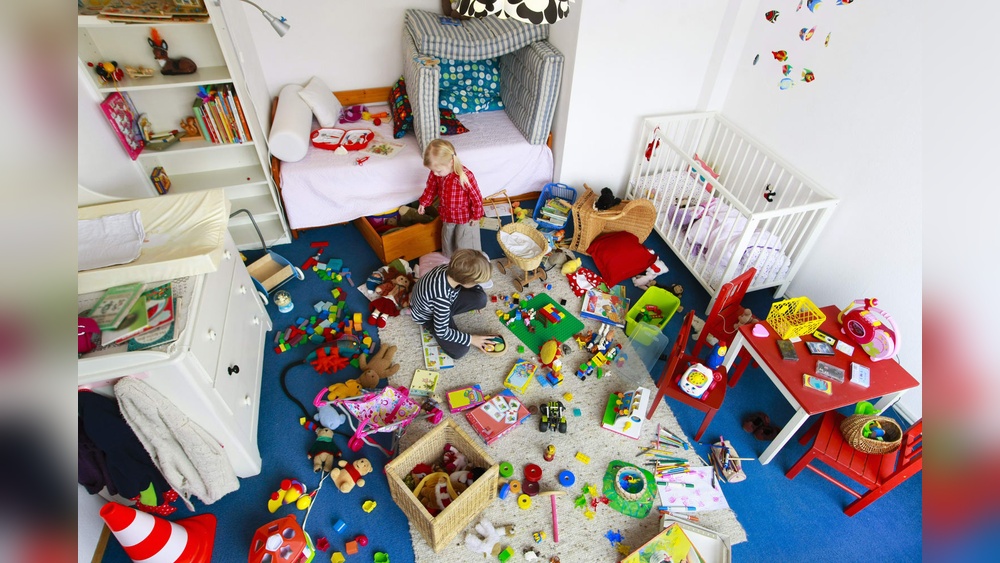
Have you ever wondered if your toddler has too many toys? Or maybe you’re worried they don’t have enough to keep them happy and learning?
Finding the right balance can feel tricky. Too many toys can overwhelm your little one, while too few might leave them bored. But what’s the perfect number? You’ll discover simple, practical tips to help you choose just the right amount of toys for your toddler’s growth and happiness.
Keep reading—you’ll feel more confident about creating a joyful and stimulating play environment for your child.

Credit: www.thekavanaughreport.com
Ideal Toy Quantity
Toddlers thrive with a small set of toys that spark creativity and learning. Around 10 to 15 toys offer variety without causing overwhelm. Quality over quantity helps children focus and enjoy playtime more.
Balancing Play And Clutter
Finding the right number of toys for toddlers is important. Too many toys can create clutter and stress. Too few toys might limit a child’s creativity and fun. The goal is to give enough toys to encourage learning and play. At the same time, keep the space tidy and safe. A balanced toy collection helps toddlers focus and enjoy playtime.
Age-appropriate Toy Counts
Toddlers need fewer toys than older kids. Around 10 to 15 toys work well for most toddlers. These toys should be safe, simple, and fun. Choose toys that match their age and skills. Blocks, puzzles, and soft dolls are good options. Rotate toys every few weeks to keep interest high. This number lets toddlers explore without feeling overwhelmed.
Signs Of Too Many Toys
Too many toys can cause problems. Toddlers may ignore toys and feel bored. Toys scattered everywhere can be a safety risk. It becomes hard for toddlers to pick what to play. Parents might feel stressed by constant mess. If cleanup takes too long, it might be time to reduce toys. Less is often more for happy, focused play.
Benefits Of Fewer Toys
Having fewer toys can bring many benefits to toddlers and their families. It helps children focus better and use their imagination more. A smaller number of toys makes daily life easier and less stressful for parents.
Choosing quality over quantity allows toddlers to enjoy each toy more deeply. It also teaches children to appreciate what they have and take care of their belongings.
Encouraging Creativity
Fewer toys mean children use their imagination more. They create new ways to play with the same toy. This helps develop problem-solving skills and original thinking. Open-ended toys like blocks or dolls inspire creative play. Toddlers learn to invent stories and games on their own.
Improving Focus And Attention
Too many toys can distract toddlers. A few toys keep their attention longer. This helps with learning and skill-building. Children can explore each toy deeply without feeling overwhelmed. Focused play supports brain development and better concentration.
Simplifying Cleanup
Less toys make cleanup easier and faster. Toddlers learn to put away toys after playing. This teaches responsibility and good habits early. Parents spend less time organizing and more time enjoying play. A tidy space feels calm and safe for children.
Choosing Quality Over Quantity
Choosing quality over quantity is key when selecting toys for toddlers. A few well-made toys can offer more value than many cheap ones. Quality toys last longer and keep your child interested for a longer time. They also support your toddler’s growth and learning better.
Durable And Safe Materials
Toys for toddlers must be strong and safe. Choose toys made from non-toxic materials. They should not break easily or have small parts that can cause choking. Durable toys save money by lasting through rough play. Safety ensures your child can play without harm.
Educational Value
Pick toys that help your toddler learn. Toys that teach colors, shapes, and numbers are great. They build skills like hand-eye coordination and problem-solving. Educational toys make playtime more meaningful. Your child learns while having fun.
Open-ended Play Options
Open-ended toys allow many ways to play. Blocks, dolls, and simple puzzles are good examples. These toys encourage creativity and imagination. Toddlers can use them in different ways every day. This keeps playtime fresh and exciting.

Credit: www.psychologytoday.com
Rotating Toys Effectively
Rotating toys is a smart way to keep toddlers interested and avoid toy clutter. It means giving your child a few toys at a time and swapping them out regularly. This keeps playtime fresh and exciting. Toddlers stay curious and engaged without getting overwhelmed by too many choices.
How To Rotate Toys
Start by dividing toys into small groups. Keep one group out for play. Store the rest away, out of sight. After a week or two, swap the toys. Bring out a new set and put the old ones away. Repeat this cycle often to keep your toddler curious.
Benefits Of Rotation
Rotating toys helps toddlers focus on one or two toys. It reduces mess and makes clean-up easier. Toys feel new each time they reappear. This sparks creativity and imagination. It also prevents boredom and encourages longer play sessions.
Storage Tips
Use clear bins or labeled boxes for storage. Keep toys organized by type or size. Store boxes in a low, easy-to-reach place for adults. Avoid mixing all toys in one big box. Neat storage helps you rotate toys quickly and easily.
Involving Toddlers In Toy Selection
Involving toddlers in toy selection helps them feel special and heard. It also guides parents to pick toys that match the child’s interests. This process supports learning and builds important skills early on.
Observing Preferences
Watch how your toddler reacts to different toys. Notice which ones they reach for or play with longer. This shows what excites or calms them. Use these clues to choose toys that suit their personality.
Teaching Decision-making
Let toddlers choose between a few toy options. This small step teaches them how to make choices. It also builds confidence and independence. Keep choices simple to avoid overwhelming them.
Encouraging Gratitude
Talk about the toys your toddler has and appreciates. Help them understand the value of sharing and caring for their toys. This encourages thankfulness and respect for their belongings.
Managing Gifts And Hand-me-downs
Managing toys from gifts and hand-me-downs can be tricky for parents. Toddlers often get many toys from family and friends. These can quickly fill up play areas. Careful management helps keep toys useful and organized.
Sorting toys helps toddlers focus on what they really enjoy. It also prevents clutter and toy overload. Setting clear rules and thinking about what to keep makes a big difference.
Setting Boundaries With Gift-givers
Talk kindly with family and friends about toy limits. Explain your goal to keep toys safe and fun. Suggest giving books or experiences instead of many toys. Share a list of preferred toys or themes. This helps avoid duplicates and excess items. Clear boundaries keep gift-giving simple and thoughtful.
Evaluating Hand-me-downs
Check each hand-me-down toy for safety and cleanliness. Toss broken or dirty toys. Keep toys that match your toddler’s age and interests. Rotate hand-me-down toys to keep playtime fresh. This reduces clutter and keeps your child engaged. Quality matters more than quantity.
Donating And Recycling
Sort out toys your toddler no longer uses. Donate gently used toys to charities or shelters. Recycling old or broken toys helps the environment. Teach your toddler about sharing and caring through donating. This creates space for new favorite toys and keeps your home tidy.

Credit: www.lifewithlessmess.com
Frequently Asked Questions
How Many Toys Are Ideal For A Toddler?
Toddlers benefit from having 10 to 15 toys that vary in type. This number keeps playtime engaging without overwhelming them. Quality and variety matter more than quantity for their development.
What Types Of Toys Suit Toddler Development Best?
Toys that encourage creativity, motor skills, and problem-solving are best. Examples include building blocks, puzzles, and art supplies. These toys support cognitive and physical growth effectively.
How Often Should Toddler Toys Be Rotated?
Rotating toys every 2 to 3 weeks keeps toddlers interested and focused. It prevents boredom and encourages exploration. This strategy helps maintain a fresh and stimulating play environment.
Why Limit The Number Of Toddler Toys?
Limiting toys reduces clutter and helps toddlers focus on fewer items. It encourages creativity and deeper play. Fewer toys also teach organization and decision-making skills.
Conclusion
Choosing the right number of toys helps toddlers learn and play well. Too many toys can cause distraction and mess. A few good toys encourage creativity and focus. Rotate toys often to keep interest fresh. Quality matters more than quantity for toddler growth.
Parents should watch how their child plays and adjust toys. This balance makes playtime fun and helpful for development. Keep it simple. Keep it smart. That’s the best way to support your toddler’s joy and learning.
