

Have you ever noticed how your child suddenly switches from loving one toy to another? One day it’s a colorful car, and the next, a soft teddy bear takes center stage.
It might seem confusing or even frustrating, but there’s a fascinating reason behind this constant rotation. Understanding why kids rotate favorite toys can help you support their growth and keep playtime exciting. Keep reading to discover the surprising science behind this behavior and how it shapes your child’s development.

Credit: www.amazon.com
Changing Interests
Children’s interests change as they grow. This shift affects the toys they like most. Toys that once brought joy might lose their appeal. Kids seek new experiences and challenges. This natural change helps them learn about themselves and the world.
Developmental Stages
Kids pass through different growth phases. Each stage brings new needs and desires. A toddler may love simple blocks. Older children may prefer puzzles or action figures. As skills develop, toys must match their abilities. This keeps play exciting and suitable for their age.
Exploring New Skills
Children use toys to practice new skills. They try different toys to build talents like problem-solving or creativity. Changing toys help them explore fresh ideas. This variety supports mental and physical growth. It also keeps their playtime fun and motivating.
Cognitive Growth
Children’s favorite toys change often as they grow and learn. This change is part of their cognitive growth. Their brains develop by exploring new things and solving problems. Rotating toys helps kids build memory and think in new ways. It also gives them chances to face challenges. These activities support mental skills that last a lifetime.
Memory And Novelty
Kids remember toys they like. But new toys bring fresh feelings and ideas. Changing toys keeps their brain active and curious. It helps kids connect old memories with new experiences. This mix of familiar and new makes learning fun. Memory grows stronger as kids recall how to play.
Problem-solving Challenges
Different toys present different puzzles. Some need building or fixing. Others require sorting or matching. Rotating toys offers varied problems to solve. Kids practice thinking and planning with each new toy. Solving these challenges boosts their confidence and skills. This process helps brains grow and adapt.
Emotional Factors
Children’s feelings often guide their toy choices. Emotional factors play a big role in why kids rotate favorite toys. Toys are more than playthings. They connect to how kids feel inside. This connection helps children find comfort and express themselves.
Comfort And Security
Toys can make kids feel safe. A favorite toy might remind them of home or family. It acts like a soft hug during tough times. Kids switch toys to match their mood or need. One day, a stuffed animal comforts them. Another day, a puzzle feels just right. These choices help children handle new or scary moments.
Expressing Feelings
Toys help kids show what they feel inside. Sometimes, kids cannot say their emotions with words. Toys become their voice. A child might pick a doll to show love or care. Another child might choose a car to show excitement or energy. Changing toys lets children explore different feelings. It helps them understand themselves better.
Social Influences
Social influences play a big role in why kids change their favorite toys often. Children watch and learn from people around them. Their choices often reflect what they see in friends and family. These social signals shape what toys feel fun or cool at any time.
Peer Impact
Friends have a strong effect on a child’s toy choices. Kids want to fit in and share common interests. If a friend likes a certain toy, a child might want the same. Playing together with similar toys makes social time more fun. Peer groups often set trends that kids follow quickly.
Family Role Models
Parents and siblings also influence toy preferences. Children copy what they see adults enjoy or value. Family habits around play can guide toy interest. A parent showing excitement for a toy can spark a child’s curiosity. Families shape ideas about what toys are special or useful.
Environmental Triggers
Environmental triggers strongly influence why kids rotate their favorite toys. Changes around them create new interests and moods. These shifts make children curious about different toys at different times. Understanding these triggers helps explain their changing play choices.
Seasonal Changes
Seasons affect which toys children enjoy most. In winter, indoor toys like puzzles or blocks get more attention. Summer brings outdoor toys like balls or water guns. The weather changes play habits and toy preferences. Kids naturally pick toys that fit the season.
Availability And Access
Kids play with toys they can easily reach. Toys stored out of sight often get ignored for a while. Rotating toys between accessible and hidden spots renews interest. When a toy returns after some time, it feels new and exciting. Accessibility shapes what toys children choose to play with daily.

Credit: www.lifewithlessmess.com
Benefits Of Rotating Toys
Rotating toys offers many benefits for children’s growth and happiness. It keeps playtime fresh and exciting. Kids find new ways to enjoy their toys. This simple change helps boost their learning and fun.
Enhancing Creativity
Rotating toys sparks imagination. Kids use different toys in new ways. This helps them think creatively. They invent stories and games. New toys inspire fresh ideas. It builds problem-solving skills and creativity.
Reducing Boredom
Children lose interest in the same toys. Rotating toys brings surprise and excitement. They feel eager to play again. This keeps boredom away. It makes playtime more fun and lively. Kids stay happy and engaged longer.
Parental Strategies
Parents play a key role in managing their children’s changing toy preferences. They use smart strategies to keep playtime fresh and exciting. These approaches help kids enjoy their toys more and learn new skills. Parents can guide the rotation of favorite toys to make playtime organized and fun.
Organizing Toy Rotation
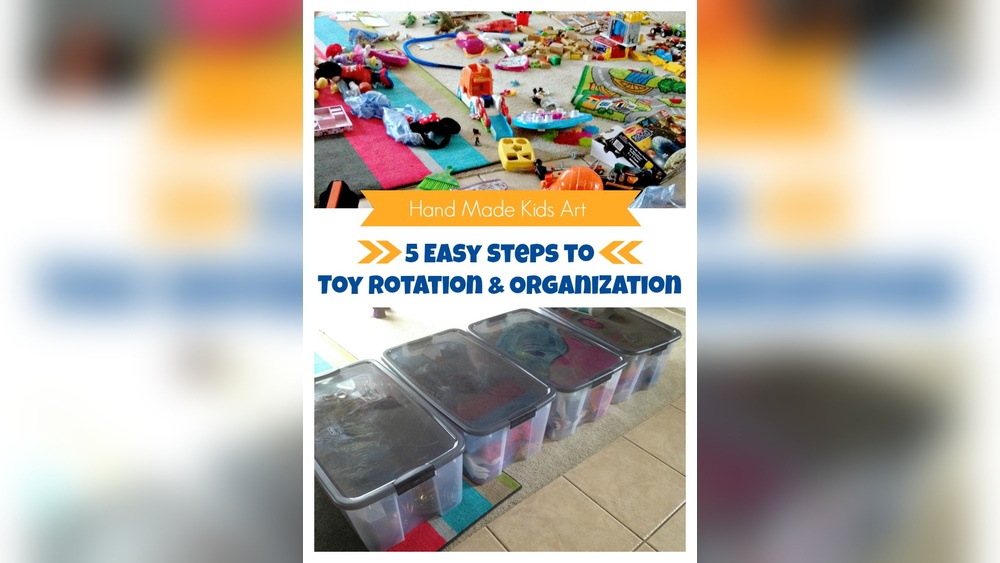
Organizing toy rotation means parents put away some toys and bring out others regularly. This keeps toys new and interesting for children. Parents can divide toys into groups and swap them weekly or monthly. This method prevents children from feeling bored with their toys. It also teaches kids to take care of their belongings.
Encouraging Exploration
Parents encourage children to try different toys to explore new skills. They offer a mix of toys that challenge creativity, problem-solving, and physical activity. Asking questions about the toys helps kids think and use their imagination. This support builds confidence and helps kids discover what they enjoy most.

Credit: www.amazon.com
Frequently Asked Questions
Why Do Kids Lose Interest In One Toy Quickly?
Kids’ attention spans are short. They seek new experiences and challenges. Rotating toys keeps playtime fresh and exciting. This variety supports creativity and learning by exposing children to different types of play. It also helps prevent boredom and encourages exploration.
How Does Toy Rotation Benefit Child Development?
Toy rotation stimulates cognitive and motor skills. It encourages problem-solving and imagination by introducing new stimuli. Changing toys regularly helps children focus better on each toy. It promotes curiosity and prevents overstimulation. This practice supports balanced emotional and intellectual growth.
When Should Parents Rotate Kids’ Favorite Toys?
Parents should rotate toys every 1-2 weeks. This timing keeps toys interesting without overwhelming children. It helps maintain novelty and excitement during playtime. Regular rotation matches kids’ rapid developmental changes and evolving interests. Parents can observe preferences to decide rotation frequency.
Can Toy Rotation Reduce Toy Clutter At Home?
Yes, rotating toys helps manage clutter effectively. By keeping only a few toys accessible, mess is minimized. The rest can be stored away neatly. This approach teaches kids organization and appreciation for their toys. It also creates a calmer, more focused play environment.
Conclusion
Kids switch favorite toys to keep playtime fresh and fun. Changing toys helps them explore new skills and ideas. It also keeps their minds curious and active. Rotating toys stops boredom and sparks creativity. Parents can support this by offering different options.
Letting kids choose encourages independence and confidence. Watching their interests change is part of healthy growth. This simple habit benefits their learning and happiness. Kids’ love for variety shows how they discover the world.
