

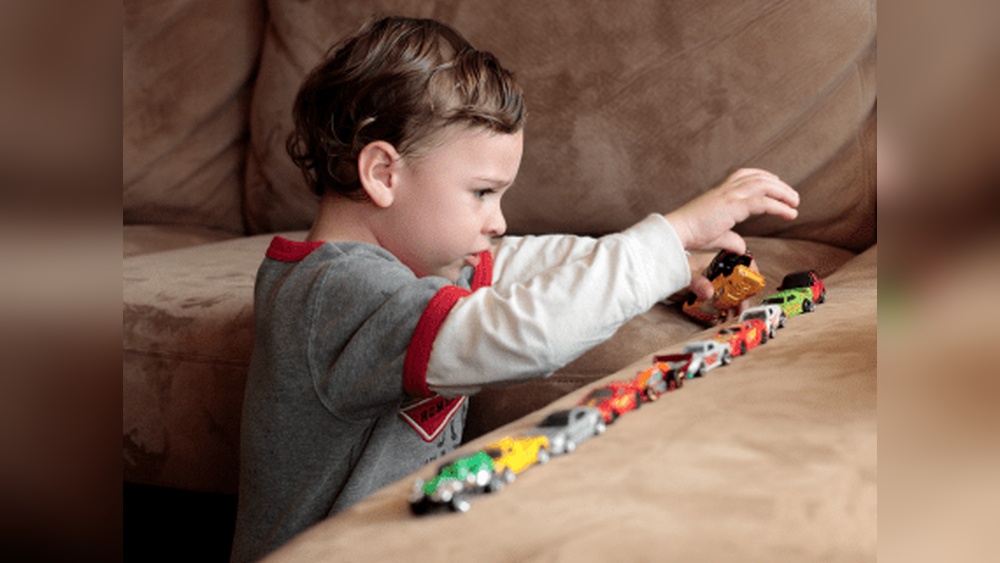
Have you ever watched your child carefully arrange their toys in neat rows and wondered why they do it? It might seem like just a simple game, but there’s more to this behavior than meets the eye.
Understanding why kids line up toys can give you valuable insights into how their minds work and what they need to feel safe and happy. You’ll discover the surprising reasons behind this habit and how it helps your child grow.
Keep reading—you might be amazed by what you learn about your little one’s world.

Credit: kdfoundation.org
Common Toy-lining Behaviors
Many children enjoy lining up their toys in a row. This behavior can be fascinating to watch. It shows how kids explore order and patterns in their play. Toy lining helps children feel calm and focused. It also encourages creativity and problem-solving skills.
Understanding common toy-lining behaviors helps parents and teachers support children better. It reveals how children think and organize their world. Below are some typical ways kids line up toys and the toys they prefer.
Patterns Kids Create
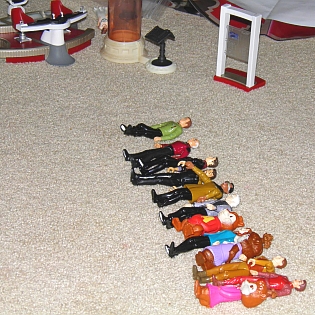
Children often arrange toys by size, color, or shape. Some line up toys from smallest to largest. Others group toys by matching colors or types. Kids might repeat the same pattern over and over. This repetition helps them learn rules and sequences. Patterns also give a sense of control and predictability. Sometimes, kids create complex designs with their toys. These patterns show their growing attention to detail and planning skills.
Popular Toys For Lining
Many kids choose small, similar toys for lining. Cars and trucks are common favorites. These toys are easy to place in a straight line. Action figures and dolls often get lined up too. Blocks and building bricks work well for creating patterns. Some children use stuffed animals or animals from toy sets. The key is that toys are easy to hold and arrange. Popular toys for lining help kids focus and enjoy their playtime.
Emotional Comfort And Security
Children often line up their toys to feel safe and calm. This simple act gives them a sense of control in their world. It helps them manage feelings that can be confusing or scary. Lining up toys creates a small, predictable space where kids feel comforted.
Through this routine, kids find emotional balance. It helps reduce stress and brings peace. Understanding why kids seek this order can help adults support their emotional needs better.
Soothing Effects Of Order
Order makes a chaotic world seem less scary. When toys are lined up neatly, children see a clear pattern. This pattern is calming. It offers predictability, which children crave. The repetition of lining up toys can soothe and relax them.
Neat rows or groups give a sense of accomplishment. This feeling adds to their emotional comfort. Children often return to this habit during stressful times. It acts like a small, self-made safe zone.
Managing Anxiety Through Arrangement
Lining up toys helps children handle anxiety. Sorting and arranging gives them a task to focus on. This focus can distract from worries or fears. It also helps organize their thoughts.
Having control over something simple, like toys, eases feelings of helplessness. This control can reduce anxiety levels. Kids use this method to calm themselves without needing words. It is a quiet way to feel better inside.
Cognitive Development Links
Kids lining up toys is more than just play. It connects deeply to how their brains grow and learn. This simple act helps build skills that are important for thinking and problem-solving. Watching kids arrange toys in rows shows how they start to understand patterns and order. These are key parts of their cognitive development.
Early Math And Sorting Skills
Lining up toys helps children practice counting and grouping. They learn to see similarities and differences. This builds early math skills like sorting by size, color, or shape. Kids begin to understand sequences and order. These skills are the foundation for later math learning. Sorting toys sharpens their ability to organize information clearly.
Boosting Focus And Attention
When kids line up toys, they improve their focus. This activity requires careful attention to detail. Kids must concentrate to place toys in a neat line. It helps them develop patience and control. These attention skills are useful for school and daily life. The process teaches children to stay calm and complete tasks step-by-step.
Sensory Processing Factors
Sensory processing plays a big role in why kids line up toys. Some children experience the world differently through their senses. They may be more aware of touch, sight, or sound than others. This can affect how they interact with objects around them.
For many children, lining up toys is a way to manage their sensory feelings. It helps them feel calm and focused. Understanding these sensory factors gives us a clearer view of this common behavior.
Sensitivity To Touch And Visuals
Some kids have strong reactions to touch. They may prefer toys to be smooth or soft. Rough textures can feel uncomfortable or distracting. Lining up toys allows them to control what they touch and avoid unpleasant sensations.
Visual sensitivity also plays a part. Bright colors or busy patterns can be overwhelming. Arranging toys in a neat line creates order. It reduces visual chaos and helps kids feel more relaxed.
How Lining Helps Sensory Needs
Lining toys helps kids organize their sensory world. It creates predictability and reduces stress. This simple act can give a sense of control and safety.
Arranging toys can also improve focus. It allows children to process their surroundings slowly. This method helps them avoid sensory overload. Lining up toys is more than play. It meets important sensory needs.
Social And Communication Aspects
Lining up toys is more than just play. It helps children express feelings and thoughts. Kids use this activity to show how they feel about control and order. It also affects how they talk and interact with others.
Understanding why kids line up toys can reveal how they communicate without words. This behavior often shows their need to organize their world. It also plays a role in how they connect with friends during playtime.
Expressing Control And Independence
Children line up toys to feel in control. Arranging objects gives them a sense of order. This helps them manage their emotions. It shows their growing independence and decision-making skills. They create rules for their play without needing adults.
This activity allows kids to practice control in a safe way. It helps them feel calm and focused. Lining up toys becomes their personal space to express choices.
Interaction With Peers During Play
Lining up toys can be a way to communicate with other kids. It invites friends to join or watch. This shared activity often leads to cooperation and sharing. Children learn to wait their turn and respect others’ ideas.
Through this play, kids build social skills like patience and teamwork. They also learn how to express themselves without words. This helps improve their communication and friendships.
Credit: kdfoundation.org
When To Seek Professional Advice
Children often line up toys as part of normal play. This behavior can help them learn order and patterns. Sometimes, lining up toys may signal other needs. Knowing when to seek professional advice is important for parents and caregivers.
Early support can make a big difference in a child’s growth. Professionals can guide families to understand their child’s unique needs. Watch for signs that may need extra attention.
Signs Of Developmental Concerns
Repetitive lining up of toys is common in young children. Notice if your child only lines up toys and avoids other play. Watch for delayed speech or lack of eye contact. Difficulty in social interactions may also be a concern. If your child shows little interest in games or friends, seek advice. Sudden changes in behavior or intense focus on lining up can be a red flag.
Supporting Healthy Play Habits
Encourage varied play activities to balance routines. Offer toys that invite imagination and social interaction. Praise efforts to join group play or try new activities. Create safe spaces where children feel free to explore. Be patient and observe what your child enjoys most. Seek professional help if play habits limit learning or social skills.

Credit: eagleswill.com
Frequently Asked Questions
Why Do Kids Line Up Toys Repeatedly?
Kids line up toys to create order and predictability. It helps them understand their environment and feel secure. This behavior also improves focus, fine motor skills, and supports early math and categorization learning.
Is Lining Up Toys A Sign Of Creativity?
Yes, lining up toys can show early creativity. Kids arrange toys in patterns or sequences, exploring shapes, colors, and order. This activity encourages imaginative thinking and problem-solving skills.
Can Lining Up Toys Indicate Developmental Milestones?
Lining up toys can reflect cognitive and motor development. It shows growing attention span, hand-eye coordination, and spatial awareness. Parents should observe if the behavior is balanced with other play activities.
Does Lining Up Toys Relate To Autism?
Lining up toys is common in many children but can be more frequent in kids with autism. For autistic children, it may provide comfort and help manage sensory input. Professional evaluation is recommended if concerns arise.
Conclusion
Kids line up toys to explore order and control. It helps them learn patterns and practice focus. This simple act supports their thinking and problem-solving skills. Parents can encourage this behavior by providing space and time to play. Watching kids line up toys shows their creativity and growth.
It is a natural way for children to understand the world. Encouraging such play builds a strong foundation for future learning. Small actions like lining up toys matter a lot in child development.
