

You want to keep your child safe while they play, and one hidden danger to watch out for is sharp points on toys. These tiny hazards can cause cuts or scratches that ruin fun moments—and your peace of mind.
But how can you be sure the toys your child uses are truly safe? You’ll learn simple, effective ways to test toys for sharp points before your child ever touches them. By the end, you’ll feel confident that every toy in your home is safe and ready for play.
Keep reading to discover easy steps that protect your child and give you real peace of mind.
Credit: www.utstesters.com
Importance Of Checking Toys
Checking toys for sharp points is very important. Sharp points can cause injuries to children. Toys should be safe and fun. Parents and caregivers must test toys before giving them to kids. This helps avoid accidents and keeps children safe. Testing toys often prevents harm and worry.
Risks Of Sharp Points
Sharp points can cut skin easily. They may poke eyes or scratch faces. Small cuts can become infected. Children might swallow tiny sharp parts. This can cause choking or internal harm. Toys with sharp points are unsafe for all ages.
Common Injury Scenarios
Children often fall while playing. Sharp points can cause deep wounds during falls. Kids may put toys in their mouths. Sharp edges can hurt their gums or throat. Running or rough play increases injury risk. Checking toys helps stop these accidents.

Credit: rampimpex.com
Tools For Testing Sharp Points
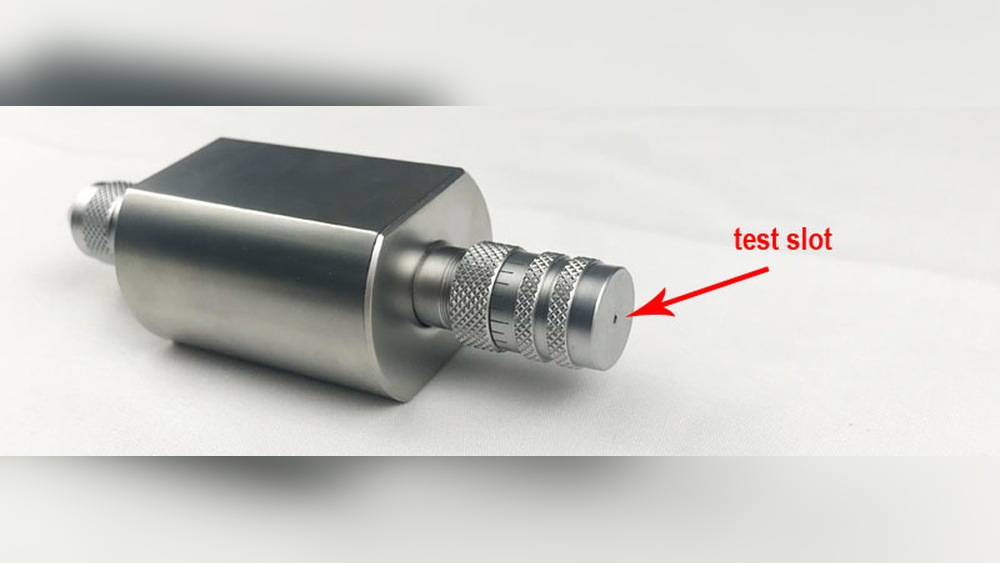
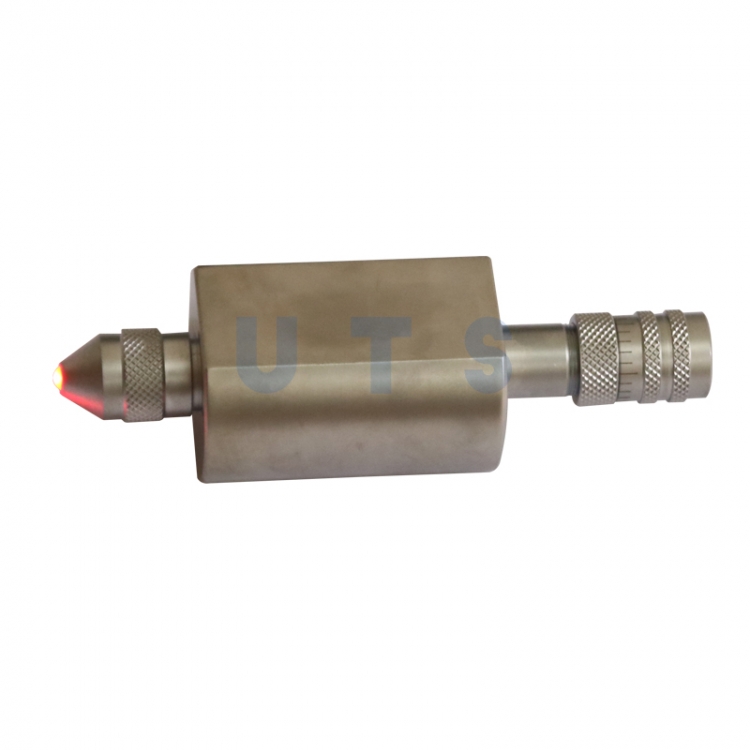
Testing toys for sharp points is important to keep kids safe. Sharp edges can cause cuts or scratches. Using the right tools makes the process easier and more accurate. This section explains simple tools to check toys for sharp points.
Using Visual Inspection
Visual inspection is the first step in testing toys. Use a bright light to see all parts of the toy clearly. A magnifying glass helps find tiny sharp points. Look closely at edges, corners, and small details. Check plastic, metal, and wooden parts carefully. This method is quick and needs no special skills.
Hands-on Testing Methods
Hands-on testing helps feel sharp points that eyes may miss. Gently run fingers over the toy’s surface. Move slowly to detect any rough or pointed areas. Use a soft cloth to protect your skin while testing. Push lightly on edges to check if they are sharp. This method gives a better sense of safety before giving toys to children.
Step-by-step Testing Process
Testing toys for sharp points is important for child safety. Follow these clear steps to check if a toy is safe. This step-by-step testing process helps identify any dangerous sharp parts. It keeps playtime safe and worry-free.
Initial Examination
Start by looking closely at the toy’s surface. Check every part for any visible sharp points. Use good light to see small details. Look for tiny tips or spikes that may hurt a child. Note any areas that seem risky for touching or grabbing.
Detailed Point Assessment
Press gently on any pointed areas you found. See if the points are hard or soft. Hard points can cause cuts or scratches. Use your fingers to feel if points poke or scratch skin. Make sure no sharp parts stick out too far.
Evaluating Edges And Corners
Examine all edges and corners of the toy. Run your hand along them to test smoothness. Sharp edges can cause injuries during play. Check if corners are rounded or sharp. Safe toys have smooth edges and no rough corners.
Safety Standards To Follow
Testing toys for sharp points requires following clear safety standards. These rules help prevent injuries and keep children safe. Knowing which standards apply guides proper testing and evaluation. It ensures toys do not have dangerous edges or points that can harm kids.
Safety standards set limits on sharpness and design. They also describe how to test toys correctly. Following these rules is key for anyone checking toy safety.
Relevant Toy Safety Regulations
Many countries have laws about toy safety. The United States uses the ASTM F963 standard. It defines how to test toys for sharp points and edges. Europe follows the EN 71 standard, which also covers sharpness tests. Other countries may have similar rules.
These regulations describe test methods and acceptable limits. They focus on reducing risks from sharp parts. Testing according to these standards helps confirm toy safety.
Certification And Labels
Certified toys meet safety standards. Look for labels like “ASTM F963 compliant” or “CE mark.” These marks show the toy passed sharp point tests. They give confidence that the toy is safe for children.
Certification involves lab testing and inspections. It ensures manufacturers follow safety rules strictly. Always choose toys with proper certification for peace of mind.
Handling Unsafe Toys
Handling unsafe toys is very important to keep children safe. Toys with sharp points can cause cuts or injuries. These toys must be managed carefully to prevent accidents. Proper handling stops children from playing with unsafe items.
Marking And Separating
First, mark toys that have sharp points clearly. Use bright stickers or tags to show danger. Keep these toys apart from safe ones. Store unsafe toys in a different box or shelf. This helps adults spot and avoid giving these toys to children.
Repair Or Disposal Options
Check if the toy can be fixed safely. Small sharp points may be sanded down or covered. If repair is not possible, throw the toy away. Do not give broken toys to children. Proper disposal protects kids from harm and keeps play areas safe.
Tips For Choosing Safe Toys
Choosing safe toys is important to protect children from injuries. Sharp points can hurt kids and cause accidents. Careful selection helps find toys that are fun and safe. Testing toys for sharp points is a key part of this process.
Check the toy’s shape and parts closely. Avoid toys with edges that can poke or cut. Small details matter for safe play and peace of mind.
Age-appropriate Selection
Select toys that fit the child’s age and skill level. Younger children need toys without small or sharp parts. Older kids can handle more complex toys safely. Age labels on packaging guide safe choices. Follow these labels strictly to avoid risks.
Toys for babies should have rounded edges and no loose pieces. Toddlers require sturdy toys made from soft materials. Always review the age recommendation before buying. This step reduces chances of harm from sharp points.
Material And Design Considerations
Choose toys made from safe, non-toxic materials. Plastic toys should be smooth and free from cracks. Wood toys need to be sanded well to avoid splinters. Metal parts must be blunt and rust-free.
Inspect the design for any spikes or sharp corners. Rounded designs are safer and more child-friendly. Avoid toys with detachable sharp parts. Good design helps prevent accidents and injuries during play.

Credit: www.indiamart.com
Frequently Asked Questions
How Do I Check Toys For Sharp Points Safely?
Inspect the toy visually and by touch. Run your fingers gently along edges. Look for any protruding parts that could cause injury. Use a magnifying glass for small toys to ensure safety.
What Tools Help Identify Sharp Points On Toys?
Use a magnifying glass and a soft cloth. The magnifying glass highlights tiny sharp edges. The cloth helps you feel edges without hurting your hands. These tools improve accuracy in detecting hazards.
Why Is Testing Toys For Sharp Points Important?
Sharp points can cause cuts or injuries to children. Testing ensures toys meet safety standards. It protects children from potential harm. Parents gain peace of mind by verifying toy safety.
When Should I Test Toys For Sharp Points?
Test new toys before giving them to children. Also, check used or second-hand toys regularly. Periodic inspections catch wear and tear that creates sharp points. Early detection prevents accidents effectively.
Conclusion
Testing toys for sharp points keeps children safe from injuries. Always check toys carefully before giving them to kids. Use your hands to feel for any sharp edges or points. Inspect toys regularly, especially after rough play. Remember, simple checks can prevent accidents and pain.
Safety matters most when choosing or using toys. Keep toys clean and store them properly to avoid damage. Stay alert and protect the little ones in your care. Safety starts with careful testing and attention.
