

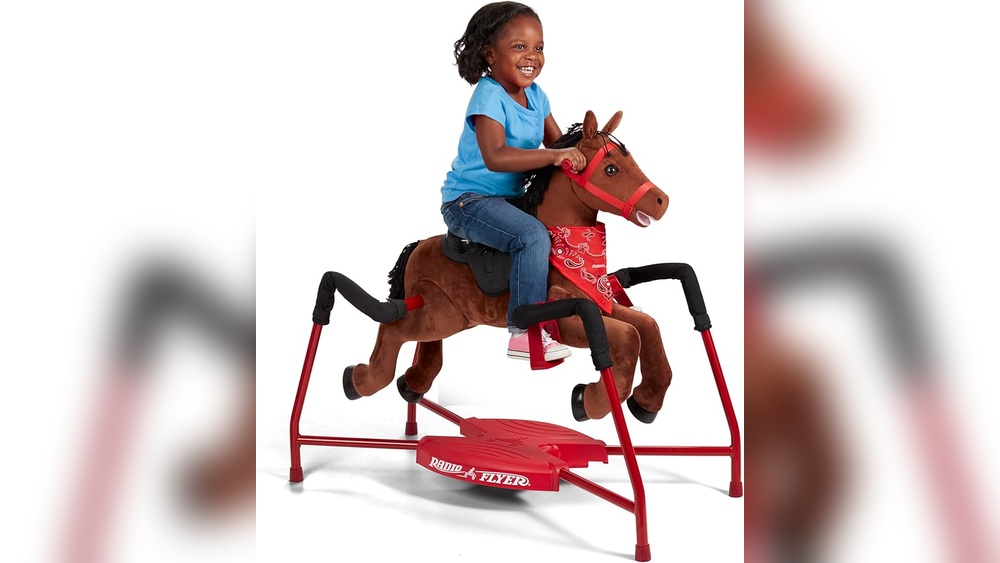
When you pick a toy for your child, safety is probably one of your top concerns. But have you ever thought about how the design of that toy plays a crucial role in keeping your little one safe?
The way a toy is made can protect your child from choking hazards, sharp edges, toxic materials, and more. Understanding these design details can help you choose toys that not only bring joy but also keep your child safe. Keep reading to discover how toy design directly impacts your child’s safety and what you should look for next time you shop.

Credit: centrerest.com
Toy Materials And Safety
Toy materials play a big role in child safety. They decide how safe and healthy a toy is for children. Choosing the right materials helps avoid health risks and injuries. Parents and makers must focus on this aspect carefully.
Safe materials protect children from harmful chemicals and breakage dangers. They also reduce risks like choking on small parts. Understanding these details helps create a safer playtime for kids.
Non-toxic Components
Toys must be made from non-toxic materials. Chemicals like lead and BPA can harm children. Safe toys use paints and plastics without these poisons. This keeps children safe even if they put toys in their mouths. Non-toxic materials reduce allergy and poisoning risks.
Durability And Breakage Risks
Strong, durable toys last longer and stay safe. Weak toys can break into sharp pieces. Broken parts can cause cuts or other injuries. Durable materials prevent these accidents. Toy makers test toys for strength and safety before selling.
Choking Hazards From Small Parts
Small toy parts can cause choking. Children often put things in their mouths. Toys with tiny pieces should be for older kids only. Manufacturers must clearly label age recommendations. Parents should check toys for loose or small parts to keep children safe.
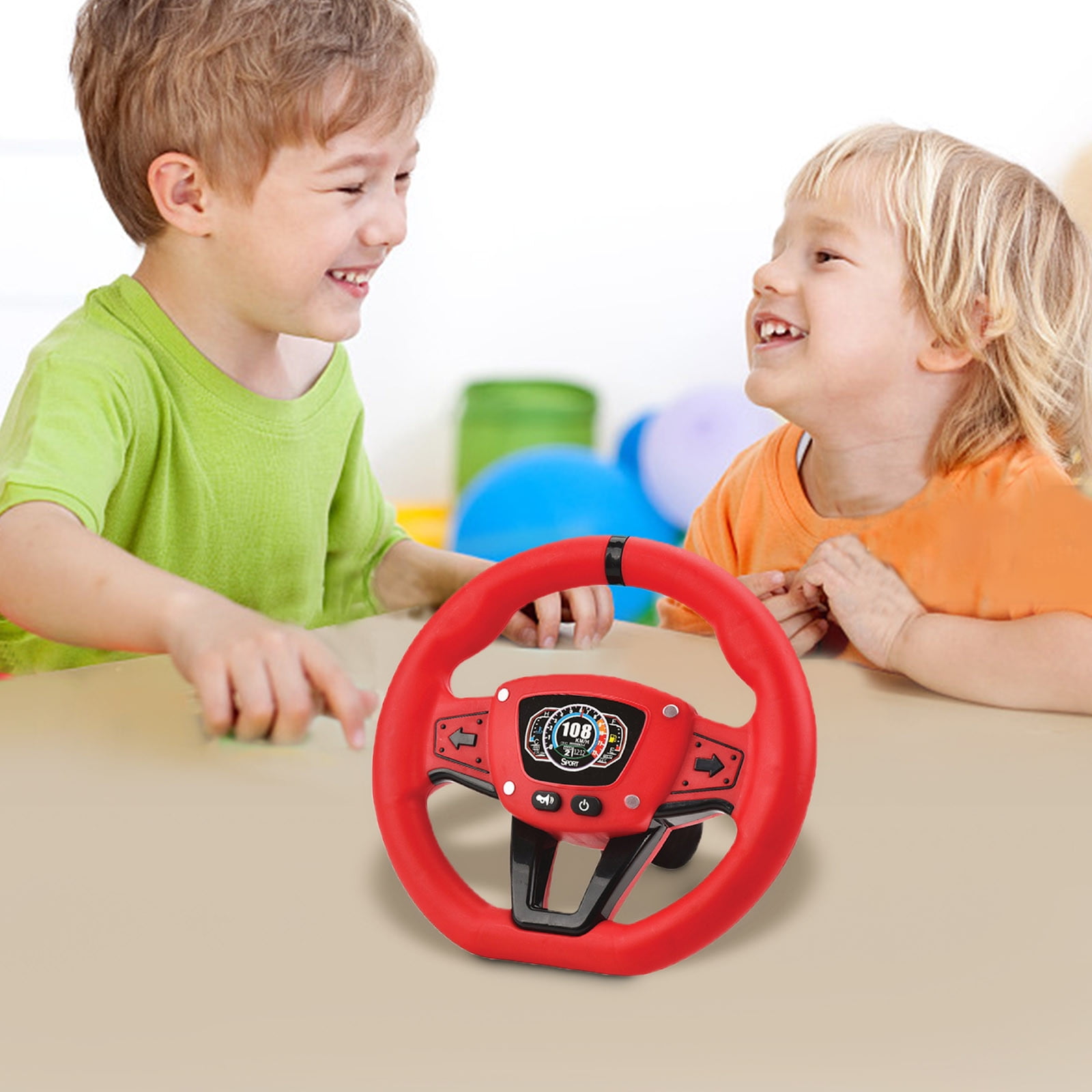
Credit: martinscastro.pt
Age Appropriateness
Age appropriateness plays a key role in toy safety. Toys designed for the right age help prevent accidents and injuries. Children’s skills change as they grow. Toys must match these changes to keep play safe and fun.
Matching Toys To Development Stages
Toys should fit a child’s physical and mental abilities. Babies need soft, large toys without small parts. Toddlers enjoy simple puzzles and building blocks. Older kids like more detailed and challenging toys. Matching toys to stages reduces choking risks and frustration.
Warnings And Labels
Clear labels guide parents in choosing safe toys. Age warnings show the suitable age range. They also list potential hazards like small parts or sharp edges. Reading labels helps avoid unsafe toys. Labels must be easy to see and understand.
Avoiding Overly Complex Toys
Complex toys can confuse young children. They may use toys in unsafe ways. Simple toys suit younger kids better. Avoid toys with many tiny pieces or complicated mechanisms. Safe play happens when toys match a child’s skill level.
Design Features That Enhance Safety
Design plays a big role in keeping children safe while they play. Certain features in toys help prevent injuries and accidents. These design elements focus on reducing risks and making playtime safe. Every detail counts to protect young users.
Rounded Edges And Smooth Surfaces
Toys with rounded edges lower the chance of cuts and bruises. Smooth surfaces prevent scratches and skin irritation. Sharp corners can hurt kids during play or falls. Rounded shapes make toys safer and easier to handle.
Secure Fastenings And Attachments
Strong fastenings stop small parts from falling off. Loose pieces can cause choking hazards. Toys with firmly attached parts stay intact during rough play. Secure attachments help maintain the toy’s safety over time.
Avoiding Sharp Points
Sharp points can poke or injure children. Toys should have blunt ends to avoid harm. Removing or covering any sharp parts reduces accident risks. Safe toys focus on gentle shapes that protect kids.
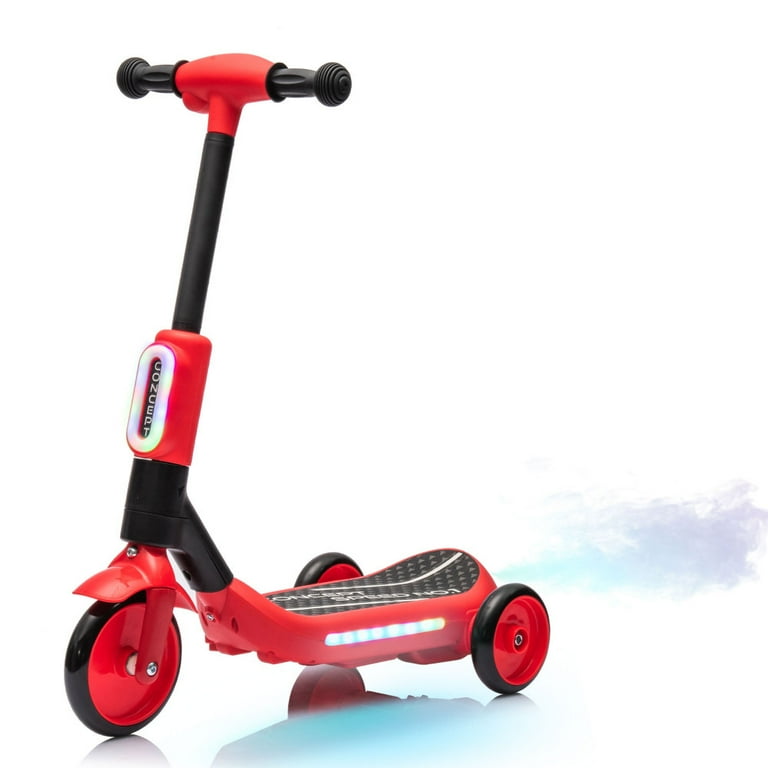
Credit: www.walmart.com
Impact Of Toy Size And Shape
The size and shape of a toy play a big role in child safety. Toys that are too small can be swallowed or stuck in a child’s throat. Toys with sharp edges or awkward shapes can hurt a child during play. Designers must consider these factors to keep toys safe and fun.
Choosing the right size and shape helps reduce risks. It also makes toys easier and more comfortable for children to use. Thoughtful design protects children from accidents and injuries.
Preventing Ingestion And Choking
Toys must be large enough to prevent children from putting them in their mouths. Small parts can cause choking, a serious danger for young children. Rounded edges and smooth surfaces lower the chance of cuts or scrapes. Testing toys under strict safety rules ensures they do not pose swallowing risks.
Ergonomic Design For Child Handling
Toys designed for small hands improve grip and control. Soft, rounded shapes help children hold toys without dropping them. Lightweight toys reduce strain on tiny muscles. Ergonomic designs encourage safe play and improve coordination. This thoughtful shape design supports a child’s growth and safety during use.
Role Of Color And Texture
Color and texture play a big role in toy design and child safety. Bright colors attract children’s attention and make toys fun to play with. Soft or rough textures can provide different sensory experiences. Yet, these features must be safe for children to touch and explore.
Designers must choose colors and textures carefully. They balance fun with safety to protect children from harm. Safe toys encourage learning and play without risks.
Attractiveness Without Risk
Toys use bright colors to catch a child’s eye. These colors should not cause any harm. Some paints can contain chemicals that may be dangerous. Designers pick colors that are safe and vibrant. Textures also matter. Smooth surfaces avoid cuts or scratches. Soft textures comfort young hands and reduce injury risks. Rough textures can help sensory development without causing harm. The goal is to create toys that are both attractive and safe.
Non-toxic Paints And Finishes
Toys must have non-toxic paints and finishes. These coatings protect the toy and keep children safe. Children often put toys in their mouths. Toxic substances can cause illness or allergies. Safe paints are water-based and free from harmful chemicals. They do not peel or chip easily. This prevents children from swallowing paint chips. Non-toxic finishes also help keep the toy clean. Safe paint and finishes make toys both beautiful and harmless.
Regulations And Safety Standards
Toy safety depends heavily on strict rules and standards. These rules guide how toys are designed and made. They reduce risks of injury and ensure toys are safe for children to use. Following these regulations helps protect kids from choking hazards, toxic materials, and sharp edges.
Every country has its own safety laws. Many countries also follow global guidelines. These rules cover everything from materials to packaging. Toy makers must meet these rules before selling their products. Parents can trust toys that follow these safety standards.
Global Toy Safety Guidelines
Several global organizations set toy safety rules. The most known is the International Organization for Standardization (ISO). ISO 8124 is a key standard for toy safety worldwide. It covers mechanical, chemical, and electrical safety.
The European Union uses the EN 71 standard. It sets limits on harmful substances in toys. The United States follows the Consumer Product Safety Commission (CPSC) rules. These guidelines protect children across many countries.
Certification Marks To Look For
Certification marks show a toy meets safety standards. The CE mark means a toy meets EU safety laws. The ASTM F963 label shows compliance with US safety rules.
Other marks include the ISO certification and the CCC mark for China. These marks appear on toy packaging or labels. They help parents identify safe and tested toys quickly.
Parental Tips For Choosing Safe Toys
Choosing safe toys is very important for every parent. Toys must be fun and safe at the same time. Safety helps prevent accidents and injuries in children. Parents can take simple steps to ensure the toys they buy are safe. These tips make playtime happy and worry-free.
Inspecting Toys Before Purchase
Always check toys carefully before buying. Look for small parts that can break off easily. Avoid toys with sharp edges or points. Check the label for age recommendations. Choose toys made from non-toxic materials. Make sure batteries are secure and not easy to remove. Avoid toys with loose strings or cords.
Maintaining And Cleaning Toys
Clean toys regularly to keep germs away. Use mild soap and warm water for cleaning. Check toys for damage often. Throw away broken toys right away. Fix loose parts before giving toys back to children. Store toys in a dry and safe place. Clean toys help keep children healthy.
Monitoring Child Play
Watch children while they play with toys. Teach them how to use toys safely. Remove toys that are not suitable for their age. Be ready to step in if play becomes unsafe. Encourage sharing and gentle play with others. Supervision helps prevent accidents and keeps children safe.
Frequently Asked Questions
How Does Toy Design Impact Child Safety?
Toy design directly affects child safety by minimizing choking hazards, sharp edges, and toxic materials. Thoughtful design ensures toys suit age groups and developmental stages, reducing injury risks during play.
What Materials In Toys Are Safest For Children?
Non-toxic, BPA-free plastics, natural wood, and organic fabrics are safest. These materials avoid harmful chemicals and allergens, ensuring children can play without health risks.
Why Are Age Recommendations Important In Toy Design?
Age recommendations guide parents to choose toys that match their child’s abilities. Properly designed toys prevent accidents from misuse and support safe, enjoyable play experiences.
How Do Small Parts In Toys Pose Safety Risks?
Small parts can cause choking or swallowing hazards, especially for toddlers. Toy designers minimize or securely attach these parts to prevent accidental ingestion.
Conclusion
Toy design plays a big role in keeping children safe. Good designs avoid sharp edges and small parts. They use safe materials that do not harm kids. Designers think about how children play and learn. Safe toys help prevent accidents and injuries.
Parents should choose toys made with care and safety. Paying attention to design helps protect kids every day. Safe toys let children enjoy playtime worry-free. Safety in toy design means happy, healthy kids.
