

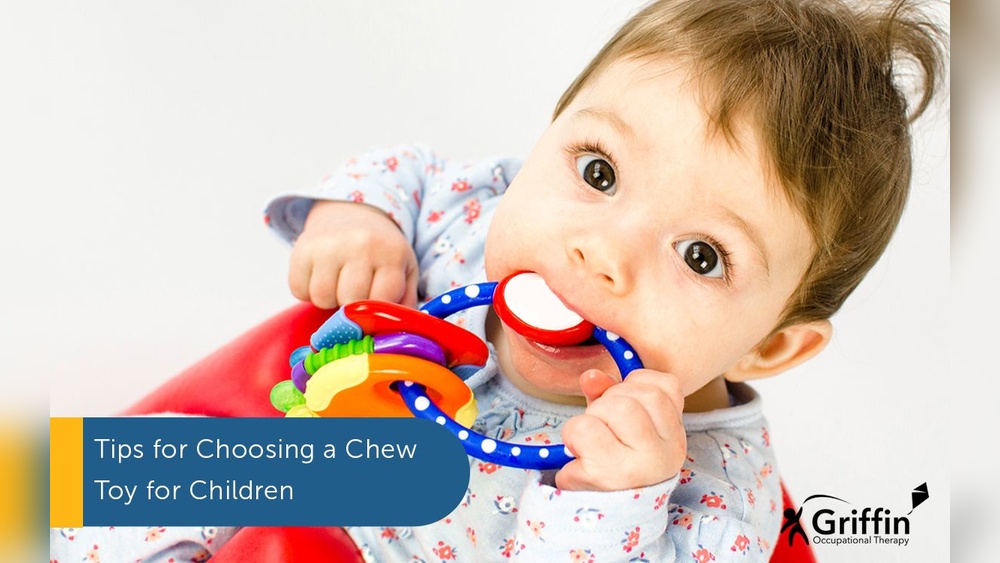
Have you ever noticed your toddler chewing on their toys and wondered why they do it? It’s a common behavior that can leave many parents feeling puzzled or even concerned.
But understanding why your little one puts toys in their mouth can help you support their growth and keep them safe. You’ll discover the surprising reasons behind this habit and learn practical tips to handle it. Keep reading—you’ll soon see that this stage is not just normal but important for your child’s development.

Credit: www.amazon.com
Teething And Gum Relief
Teething is a tough time for toddlers. Their gums feel sore and itchy. This makes them want to chew on things. Chewing helps ease the pain. Toys become their favorite tool for relief. Understanding this helps parents support their child better.
How Teething Causes Discomfort
Teething starts when baby teeth push through the gums. This causes swelling and tenderness. The gums may become red and inflamed. Toddlers feel a strong urge to bite or chew. This biting helps reduce the pressure on the gums. The discomfort can make toddlers fussy and restless.
Toys As Soothing Tools
Toddlers use toys to calm their sore gums. Soft, chewable toys provide gentle pressure. This pressure soothes the irritated gum tissue. Toys made of safe materials prevent harm. Some toys can be cooled to numb the pain. Chewing also distracts toddlers from the discomfort. Parents should choose toys designed for teething relief.
Exploring Through Mouth
Toddlers often put toys in their mouths. This behavior is a natural part of how they learn about the world. Their mouths help them explore new textures, shapes, and tastes. Chewing on toys is more than just play. It is a key way toddlers discover their environment.
Sensory Development In Toddlers
The mouth has many nerve endings that send signals to the brain. This helps toddlers understand different sensations. Chewing on toys gives them sensory feedback. It helps them learn about softness, hardness, and temperature. This sensory input supports brain growth and development. It also improves coordination between the mouth and hands.
Why Mouth Exploration Matters
Mouth exploration is important for learning. It helps toddlers develop oral motor skills needed for eating and speaking. Chewing strengthens their jaw muscles. It also prepares them for new foods and tastes. Through this process, toddlers build confidence and curiosity. Their mouth becomes a tool for discovery and learning.
Emotional Comfort
Toddlers often chew on toys to find emotional comfort. This behavior helps them feel calm and safe. Chewing can ease feelings that toddlers cannot yet express with words. It acts as a natural way to soothe themselves during tough moments.
Chewing As A Self-soothing Habit
Many toddlers chew on toys to calm their nerves. This action helps reduce fussiness and restlessness. Chewing creates a gentle pressure that can relax their bodies and minds. It becomes a habit that toddlers use to feel peaceful. This self-soothing method works much like thumb-sucking or cuddling a blanket.
Stress And Anxiety Triggers
Toddlers face many new experiences daily. Changes in routine or unfamiliar places can cause stress. Chewing on toys helps them handle these anxious feelings. It offers a simple way to manage worry and uncertainty. This behavior is a natural response to emotional discomfort.
Oral Motor Skill Development
Toddlers chew on toys as a natural part of their oral motor skill development. These skills involve the muscles used for chewing, speaking, and swallowing. Chewing helps toddlers explore textures and strengthens important muscles. This process supports their growth and prepares them for eating solid foods and talking clearly.
Strengthening Jaw Muscles
Chewing on toys helps build strong jaw muscles. These muscles control biting and chewing movements. Strong jaw muscles make it easier for toddlers to eat different foods. They also help with clear speech as the child grows. Toys with different textures provide varied resistance. This variety challenges the jaw muscles in a healthy way.
Improving Coordination
Chewing requires coordination between the jaw, tongue, and lips. Toddlers learn to control these movements by chewing toys. This coordination is important for eating safely. It also supports the development of speech sounds. Practicing these skills early helps toddlers gain confidence. Chewing toys act as simple tools for this learning process.
Attention And Curiosity
Toddlers use chewing as a way to explore their world. Their attention often focuses on toys that catch their interest. Curiosity drives them to learn about new objects through touch and taste. Chewing helps toddlers discover different feelings and shapes. It also comforts them, especially during teething.
Attractiveness Of Texture And Shape
Toddlers like toys with different textures. Soft, smooth, or bumpy surfaces invite them to chew. The shape of a toy can also attract their attention. Round or easy-to-hold toys often end up in their mouths. This helps them understand the toy better. Exploring texture and shape feels exciting and new.
Seeking New Sensations
Chewing provides new sensations for toddlers. Their mouths are full of nerve endings that feel every texture. This makes chewing a fun way to explore. Different tastes and pressures teach toddlers about their environment. They enjoy the feeling of biting and sucking on objects. New sensations help them grow and learn.
Health And Safety Tips
Toddlers explore the world by putting things in their mouths. Toys often become their favorite chewing items. This habit is normal but needs careful attention. Safety and health are top priorities. Parents must keep toys clean and safe. This reduces risks of germs and choking hazards. Below are essential tips to protect your child while they chew on toys.
Choosing Safe Toys
Select toys made from non-toxic materials. Avoid small parts that can break off easily. These parts may cause choking. Look for toys labeled BPA-free and phthalate-free. Choose soft but sturdy toys designed for teething. Check the toy’s age recommendations. Always pick toys that fit your toddler’s size. Avoid sharp edges or loose pieces. Safe toys keep your child protected during chewing.
Cleaning And Maintenance
Clean toys regularly to prevent germs. Use warm water and mild soap. Rinse well to remove soap residue. Dry toys completely before giving them back. Avoid harsh chemicals that may harm toddlers. Inspect toys often for cracks or damage. Broken toys can cause cuts or choking. Replace damaged toys immediately. Clean, safe toys help keep toddlers healthy and happy.
When To Consult A Pediatrician
Knowing when to consult a pediatrician about your toddler’s chewing habits is important. Chewing on toys is common but can sometimes signal a deeper issue. Early advice from a doctor helps address any concerns quickly. Watch your child closely and note any unusual behavior.
Signs Of Excessive Chewing
Chewing many toys for hours each day is a red flag. Look for changes in mood or sleep problems. Skin damage around the mouth or hands shows the chewing is too rough. If your toddler refuses food or drools more than usual, consult a pediatrician. These signs suggest the chewing may not be normal.
Possible Underlying Issues
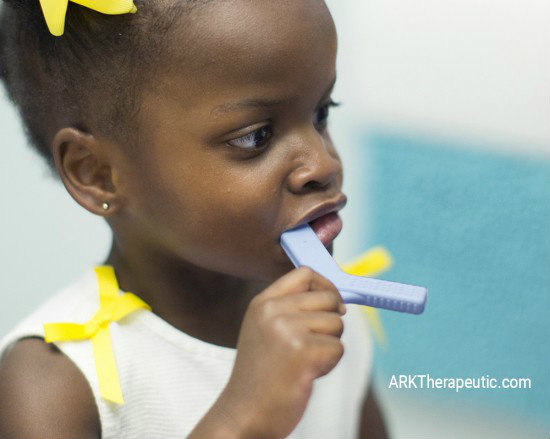
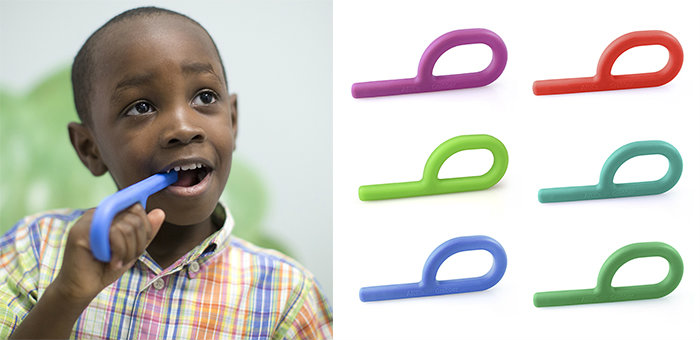
Teething causes chewing, but other problems may exist. Sensory processing issues can make children chew to feel calm. Anxiety or stress may also lead to more intense chewing habits. Some medical conditions affect oral muscles and cause chewing. A pediatrician can diagnose and guide you on the right steps.
Credit: www.arktherapeutic.com
Credit: www.arktherapeutic.com
Frequently Asked Questions
Why Do Toddlers Chew On Toys?
Toddlers chew on toys to explore textures and soothe sore gums during teething. It helps them learn about their world and relieve discomfort naturally.
Is Chewing On Toys Safe For Toddlers?
Chewing on toys is safe if toys are non-toxic, clean, and designed for teething. Always supervise to prevent choking hazards and choose age-appropriate items.
How Does Chewing Help Toddler Development?
Chewing strengthens jaw muscles and improves oral motor skills. It also supports sensory development and helps toddlers learn about different textures and shapes.
When Should I Worry About Toddler Chewing Habits?
Worry if chewing becomes excessive, causes injury, or involves unsafe objects. Consult a pediatrician if chewing interferes with eating or shows signs of stress.
Conclusion
Toddlers chew on toys to explore and soothe their growing mouths. Teething causes discomfort, and chewing helps ease pain. It also helps them learn about textures and shapes. Parents should choose safe, clean toys for this behavior. Watching your child can help you understand their needs.
Providing the right toys supports healthy development and comfort. This habit is a natural part of growing up. Patience and care make this stage easier for both of you.
