

Are you worried that your baby’s bath toys might be hiding germs and mold? You’re not alone.
Keeping those colorful toys clean is essential for your little one’s health, but it can feel like a tough task. What if there was a simple, effective way to make sure every toy is safe and squeaky clean? You’ll discover easy steps and expert tips to clean your baby’s bath toys quickly and thoroughly.
By the end, you’ll feel confident that your child’s playtime is both fun and hygienic. Ready to learn how? Let’s dive in!
Credit: us.nuby.com
Why Clean Baby Bath Toys
Baby bath toys make bath time fun and help your child stay happy in the water. These toys often stay wet and warm, which is perfect for germs to grow. Cleaning bath toys keeps your baby safe and healthy. It stops bacteria and mold from building up inside the toys.
Dirty toys can cause skin problems and infections. Keeping toys clean means your baby can play safely during bath time. It also helps the toys last longer and stay nice for every bath.
Risks Of Dirty Toys
Dirty bath toys carry many risks. Germs hide inside the toys where you cannot see them. These germs can cause rashes or infections on your baby’s skin. Some germs can even cause stomach problems if your baby puts toys in their mouth.
Ignoring dirty toys can lead to more health problems. Mold and mildew often grow inside toys with small holes. This can cause breathing problems or allergies for your baby. Clean toys reduce these risks and protect your child’s health.
Common Germs Found
Many types of germs live in dirty bath toys. Bacteria like E. coli and Salmonella can cause stomach aches and diarrhea. Mold grows in wet toys and causes allergies or breathing issues.
Fungus also grows in warm, wet places. It can cause skin infections or worsen eczema. Cleaning toys removes these germs and keeps your baby safe during bath time.

Credit: www.anbbaby.com
Safe Cleaning Materials
Cleaning baby bath toys is important for your child’s health. Choosing safe cleaning materials keeps toys free from germs. It also prevents harmful chemicals from touching your baby’s skin. Use gentle, non-toxic cleaners or common household items. These options clean well and protect your little one.
Non-toxic Cleaners
Non-toxic cleaners are safe for babies. They do not contain harsh chemicals or strong fragrances. Look for products labeled as baby-safe or natural. These cleaners remove dirt and germs without causing irritation. They keep toys clean and safe to chew or squeeze.
Always rinse toys well after cleaning. This removes any leftover cleaner. It keeps toys safe for bath time play.
Household Items To Use
Common household items can clean baby bath toys effectively. White vinegar kills germs and removes mold. Mix equal parts of vinegar and water for a natural cleaner. Soak toys in the solution for a few minutes. Then rinse thoroughly with water.
Baking soda is another safe option. Sprinkle some on a damp sponge. Scrub the toys gently to remove dirt and stains. Rinse well to avoid residue. Mild dish soap also works well. Use a small amount and rinse completely.
Step-by-step Cleaning Methods
Cleaning baby bath toys is important to keep them safe and fun. Dirt and mold can grow inside toys that get wet often. Follow simple steps to clean toys quickly or deeply. Choose the method that fits your time and the toy’s condition. Safe cleaning keeps your baby healthy and happy during bath time.
Quick Rinse And Wash
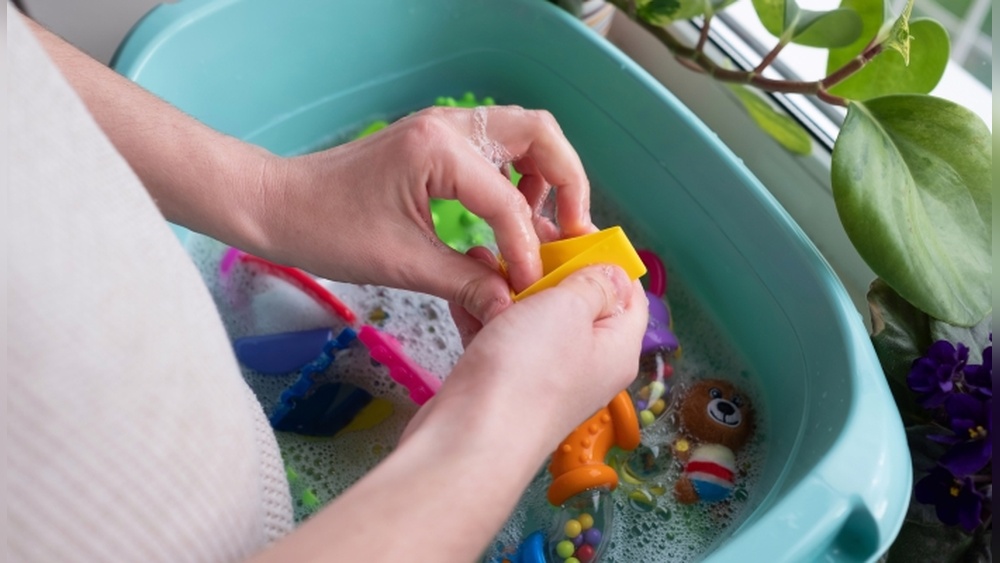
Start by rinsing toys with warm water. Use a mild soap or baby-safe detergent. Gently scrub the surface with a soft brush or cloth. Pay attention to small holes or crevices. Rinse off all soap to avoid irritation. Let toys air dry completely before the next use.
Deep Cleaning Techniques
Fill a basin with hot water and mild soap. Soak toys for 10 to 15 minutes. Use a toothbrush to clean hard-to-reach areas. For toys with holes, squeeze water in and out several times. Rinse thoroughly under running water. Dry toys in the sun or a warm place to kill germs.
Using Vinegar And Baking Soda
Mix equal parts vinegar and water in a bowl. Soak toys for 30 minutes to remove mold and bacteria. For tough stains, sprinkle baking soda on toys. Scrub gently with a damp brush. Rinse toys well to remove all vinegar and baking soda. Air dry the toys fully before use.
Drying And Storing Toys
Drying and storing baby bath toys is as important as cleaning them. Wet toys can grow mold and bacteria quickly. Proper drying stops this and keeps toys safe for your baby. Storing toys correctly helps them stay clean and ready for playtime. It also keeps your bathroom neat and organized.
Effective Drying Tips
After cleaning, squeeze out all water from the toys. Use a clean towel to pat them dry. Place toys on a dry rack or towel in a well-ventilated area. Avoid putting toys in dark, damp places. Let them air dry completely before storing. Drying in the sun helps kill germs naturally. For toys that trap water inside, use a pipe cleaner to clear holes. Make sure no moisture stays inside to prevent mold growth.
Proper Storage Ideas
Store toys in a dry container with holes for air flow. Use mesh bags or plastic bins with ventilation. Keep the storage box away from heat and moisture. Avoid closed plastic bags that trap humidity. Clean the storage container regularly to avoid dirt buildup. Store toys in a bathroom shelf or cupboard out of reach of water. Rotate toys often to use all of them and keep them fresh.
Cleaning Frequency And Maintenance
Cleaning baby bath toys regularly keeps them safe and fun to use. Proper maintenance stops germs and dirt buildup. It also helps avoid mold and mildew, which can harm your baby’s health. Knowing how often to clean and how to prevent mold keeps toys fresh and safe.
How Often To Clean
Clean baby bath toys after every use if possible. If not, clean them at least once a week. Toys that stay wet longer need more frequent cleaning. Regular cleaning stops bacteria and germs from growing. A quick rinse after play helps too.
Preventing Mold And Mildew
Drain all water from the toys after each bath. Squeeze out water from inside the toys if they have holes. Let toys dry fully before storing them. Store toys in a dry place, not in the bath or tub. Use a small brush to clean inside holes and cracks. This prevents mold and keeps toys fresh.
When To Replace Bath Toys
Bath toys make bath time fun and playful for babies. They also need care to keep them safe and clean. Over time, bath toys can get old and damaged. Knowing when to replace them helps protect your baby from germs and choking hazards. This section covers key signs to watch for and tips on choosing new toys.
Signs Of Wear And Tear
Check bath toys often for cracks or holes. These small breaks let water inside, causing mold growth. Mold can harm your baby’s health. Also, look for faded colors or sticky surfaces. These changes mean the toy is breaking down. Broken parts may come off and cause choking. If a toy shows any damage, it is time to replace it.
Choosing Safe New Toys
Pick bath toys made from non-toxic materials. Look for labels that say BPA-free or phthalate-free. Smooth surfaces without small parts are safer for babies. Choose toys easy to clean and dry quickly. Avoid toys that trap water inside. New toys should be bright and fun but safe for wet play. Always check age recommendations before buying.

Credit: infantino.com
Frequently Asked Questions
How Often Should I Clean Baby Bath Toys?
Clean baby bath toys at least once a week to prevent mold and bacteria growth. Regular cleaning keeps toys safe and hygienic for your baby’s skin.
What Is The Safest Way To Clean Bath Toys?
Use warm water, mild soap, and a soft brush to clean toys. Avoid harsh chemicals; instead, rinse thoroughly to remove soap residue and air dry completely.
Can I Use Vinegar To Clean Baby Bath Toys?
Yes, vinegar is a natural disinfectant and safe for baby toys. Mix equal parts water and white vinegar, soak toys for 10 minutes, then rinse well and dry.
How Do I Prevent Mold Inside Bath Toys?
Squeeze out all water after each use and let toys dry completely. Store them in a dry, well-ventilated area to prevent mold and mildew buildup.
Conclusion
Cleaning baby bath toys keeps them safe and fun for your child. Regular washing stops germs from growing inside the toys. Use gentle soap and warm water for best results. Squeeze out water to prevent mold buildup. Let toys dry fully before the next bath time.
Clean toys help protect your baby’s health every day. Make cleaning a simple part of your routine. Safe toys mean happy bath times for everyone involved. Keep your baby’s playtime clean and worry-free.
