

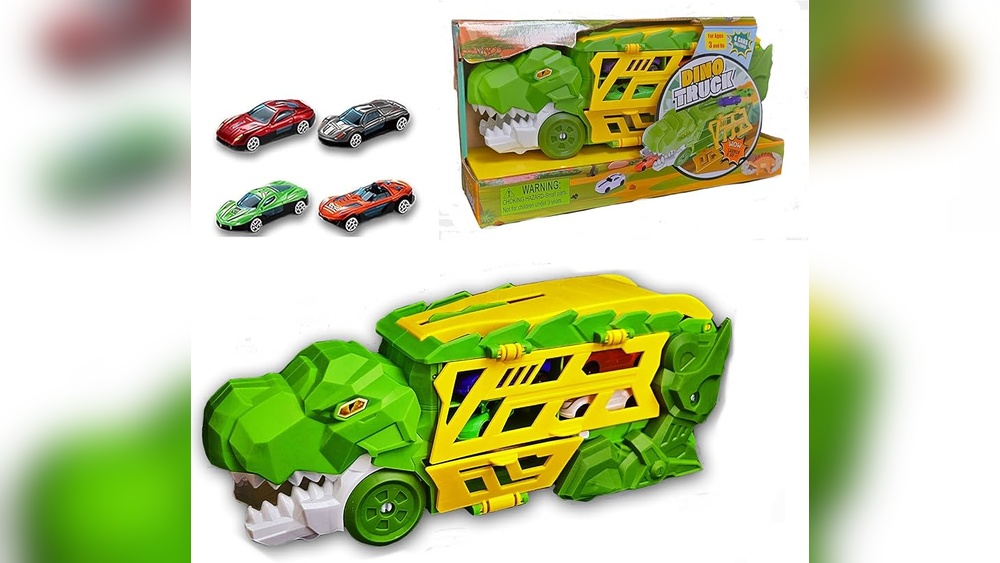
Have you ever noticed your toddler pushing a toy around instead of just carrying it? It might seem like a small thing, but there’s actually a lot going on behind that simple action.
Understanding why your little one prefers to push toys can give you a glimpse into how they learn, explore, and grow. If you’ve been wondering what’s driving this behavior and how it helps your child’s development, keep reading—you’ll discover surprising reasons that can change the way you see your toddler’s playtime.
Motor Skills Development
Motor skills development plays a key role in why toddlers push toys instead of carrying them. Toddlers build strength and coordination through different movements. Pushing toys helps them practice both small and large muscle actions. This practice supports their overall physical growth and control.
Fine Motor Skills Growth
Fine motor skills involve small muscle movements in the hands and fingers. Toddlers use these skills to hold and grasp objects. Carrying toys requires strong grip and finger control. Pushing toys allows toddlers to focus on hand placement and wrist movement. This activity helps improve hand-eye coordination. It also supports better control over small hand muscles.
Gross Motor Skills Engagement
Gross motor skills use larger muscles in the arms, legs, and body. Pushing toys encourages toddlers to walk and balance. It strengthens their leg muscles and improves stability. This action helps toddlers learn how to move with control. Carrying toys can be harder because it needs more strength. Pushing toys offers a safer way to practice standing and walking. It builds confidence in moving around while controlling their body.

Credit: www.walmart.com
Balance And Coordination
Balance and coordination play a big role in why toddlers push toys instead of carrying them. At this age, children are still learning how to control their bodies. Pushing toys helps them practice moving steadily while holding something. It also helps develop their hand-eye skills. Both these abilities are important for their growth and daily activities.
Stability While Moving
Toddlers push toys to keep their balance. Carrying objects can make them lose stability. Pushing lets them use both hands and keep their body steady. This reduces the chance of falling. It also helps them feel more confident while walking or running. The toy acts as a support, making movement easier and safer.
Hand-eye Coordination
Pushing toys helps toddlers improve hand-eye coordination. They learn to guide the toy while watching it move. This skill is important for many tasks like writing and playing sports. Moving the toy requires the eyes and hands to work together. This practice strengthens their ability to control small and large movements.
Exploring Cause And Effect
Toddlers learn about the world by testing what happens next. Exploring cause and effect helps them understand how actions lead to results. Pushing toys shows clear results, making learning fun and simple.
This behavior supports their growing curiosity. They see what happens when they move something. It helps build thinking and motor skills at the same time.
Learning Through Interaction
Toddlers learn best by doing. Pushing toys lets them control the action. They discover how much force moves the toy faster or slower. This hands-on interaction teaches them about cause and effect.
Carrying toys does not give the same feedback. It limits what they can learn about movement. Pushing encourages more active play and problem solving.
Observing Toy Movement
Watching how toys move fascinates toddlers. They notice changes in direction and speed. This helps them predict outcomes and understand motion.
Pushing toys creates movement toddlers can see and feel. This sensory experience builds their knowledge of physical laws. Carrying toys does not provide the same visual clues.
Sensory And Tactile Feedback
Toddlers learn about their world through their senses. They touch, see, hear, and feel objects to understand them. Pushing toys offers rich sensory experiences that carrying them cannot provide. This helps toddlers explore and develop their senses in fun ways.
Feeling Different Textures
Toddlers enjoy touching many surfaces. Pushing toys allows them to feel wheels, handles, and different materials. These textures give important clues about objects. Soft, hard, smooth, or bumpy surfaces all teach toddlers new things. Carrying toys limits their touch to just one part. Pushing toys lets them explore more.
Sound And Movement Sensations
Pushing toys also create sounds and movements. Toddlers hear wheels rolling or parts clicking. These sounds add excitement and learning. Moving toys give feedback through vibration and motion. This helps toddlers connect their actions to results. Carrying toys does not offer this dynamic play. Pushing toys keeps toddlers engaged with senses.
Imitation And Social Learning
Toddlers learn a lot by watching others. Imitation and social learning help them understand how to use objects. Pushing toys instead of carrying them often comes from copying what they see around them.
They observe adults and friends closely. This helps toddlers try new ways to play and move. Imitation is a natural part of early learning.
Mimicking Adults
Toddlers watch adults push strollers, carts, or vacuum cleaners. They want to do the same. Pushing toys feels like what they see grown-ups do. It helps toddlers feel grown-up too.
Adults often carry things with two hands or hold bags. Toddlers see this but find pushing easier. Pushing toys lets them move and play at the same time.
Copying Peers
Children learn from their friends too. If they see other toddlers pushing toys, they try it. Playing together encourages copying actions and ideas. This builds social skills and teamwork.
Copying peers also helps toddlers understand how toys work. Pushing is often more fun and active than carrying. Toddlers enjoy the movement and the game it creates.

Credit: www.amazon.com
Toy Design Influence
Toys designed for toddlers often encourage pushing rather than carrying. This design choice fits toddlers’ physical abilities and helps their development. Toy features like size, weight, handles, and wheels play a big role. These factors make pushing easier and more fun for young children.
Size And Weight Factors
Toddler toys are usually bigger and heavier than toys for older kids. This size makes carrying difficult for small hands and weak muscles. Heavy toys tire toddlers quickly if they try to lift them. Bigger toys also provide more stability, which helps toddlers balance while pushing.
Handle And Wheel Features
Many push toys have handles made for tiny hands. Handles give toddlers a good grip and control. Wheels on these toys roll smoothly on floors and carpets. This rolling feature makes pushing less tiring and more enjoyable. Handles and wheels work together to support toddlers’ walking skills.
Emotional And Psychological Factors
Toddlers push toys instead of carrying them for many emotional and psychological reasons. This behavior helps them explore feelings and develop skills. It supports their growth in important ways. Toddlers learn about themselves and their abilities through play. Pushing toys gives them a sense of control and freedom.
Sense Of Independence
Pushing toys gives toddlers a feeling of independence. They enjoy moving objects on their own. This action shows they can make choices and act by themselves. It builds a small but important sense of freedom. Carrying toys can feel heavy or hard to manage. Pushing is easier and lets them stay active and free.
Confidence Building
When toddlers push toys, they feel proud of their actions. Success in moving toys boosts their self-esteem. They gain confidence through repeated practice. Each small achievement encourages them to try more tasks. This growing confidence helps them face new challenges. Pushing toys is a simple way to build strong self-belief.

Credit: www.walmart.com
Safety And Comfort Considerations
Toddlers choose to push toys instead of carrying them for safety and comfort reasons. Their bodies are still developing and need gentle support. Pushing toys helps them explore without risking injury or discomfort. This behavior protects their growing muscles and keeps playtime fun and safe.
Avoiding Strain
Carrying heavy toys can strain a toddler’s small arms and back. Pushing toys lets toddlers use their whole body evenly. It helps them build strength without overloading any part. This way, toddlers stay comfortable while playing and avoid getting tired quickly.
Preventing Accidents
Carrying toys can block a toddler’s view of the floor. Pushing toys keeps their hands free and eyes clear. It lowers the chance of tripping or falling. Toddlers can move around safely and avoid bumps. This simple action helps keep playtime accident-free and happy.
Frequently Asked Questions
Why Do Toddlers Prefer Pushing Toys Over Carrying Them?
Toddlers push toys because it aids their balance and walking skills. Pushing helps them coordinate movement. Carrying toys can be harder for their developing muscles and motor skills.
How Does Pushing Toys Benefit Toddler Development?
Pushing toys improves gross motor skills, coordination, and strength. It encourages walking practice and spatial awareness. This activity supports physical growth and confidence in movement.
Are Push Toys Safer Than Carry Toys For Toddlers?
Push toys are generally safer as they promote stable walking. Carrying toys may cause imbalance or tripping. Push toys reduce the risk of falls and injuries during play.
When Do Toddlers Start Carrying Toys Instead Of Pushing?
Toddlers typically carry toys around 18 to 24 months. This stage shows improved hand strength and coordination. Carrying toys reflects growing fine motor skills and independence.
Conclusion
Toddlers push toys because it feels easier and more fun. Pushing helps them learn balance and control. Carrying toys can be heavy or awkward for small hands. This simple action supports their growing muscles and coordination. Parents can encourage pushing to boost development naturally.
Understanding this behavior helps you support your child better. Toddlers explore the world in their own way. Every push brings new skills and joy. Keep watching and enjoy these early learning moments.
