

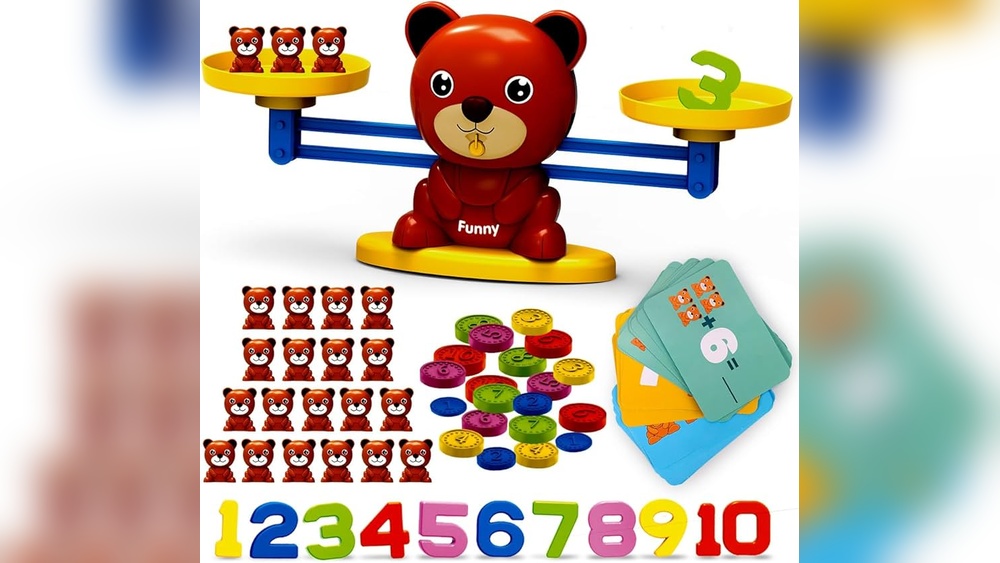
Have you ever noticed how your child’s playtime is more than just fun? Toys can do a lot more than keep kids entertained—they actually help your child learn important skills like balance.
When your child plays with the right toys, they’re training their body and brain without even realizing it. Imagine giving your child a simple way to improve coordination and confidence while having a blast. Keep reading to discover how toys can help your child master balance and why this skill matters more than you might think.

Credit: www.amazon.com
Role Of Balance In Child Development
Balance plays a key role in how children grow and learn. It helps them control their body and move safely. Balance supports many daily activities like walking, running, and playing.
Good balance also builds confidence. Kids feel better trying new things when they can stay steady. Toys that help improve balance make learning fun and effective.
Physical Growth And Coordination
Balance is important for physical growth. It helps children develop strong muscles and bones. As kids play with balance toys, they improve muscle control and body awareness.
Coordination grows as children learn to move different body parts together. This skill is needed for sports and simple tasks like dressing or eating. Balance training supports smooth and controlled movements.
Cognitive And Motor Skills Link
Balance supports brain development too. The brain controls balance and movement together. This connection helps children plan and complete tasks more easily.
Learning balance improves focus and problem-solving skills. It also helps with hand-eye coordination, which is needed for writing and drawing. Toys that challenge balance engage both the body and mind.
Types Of Toys That Enhance Balance
Different toys help children improve their balance and coordination. These toys challenge kids to stay steady and control their movements. Playing with such toys builds strength and body awareness. Here are some common types that support balance development.
Balance Boards And Steppers
Balance boards require kids to stand and shift weight carefully. This action trains muscles and improves stability. Steppers work similarly by encouraging stepping and balancing on small platforms. Both toys make children focus on their body control. They are great for indoor and outdoor play.
Ride-on Toys And Scooters
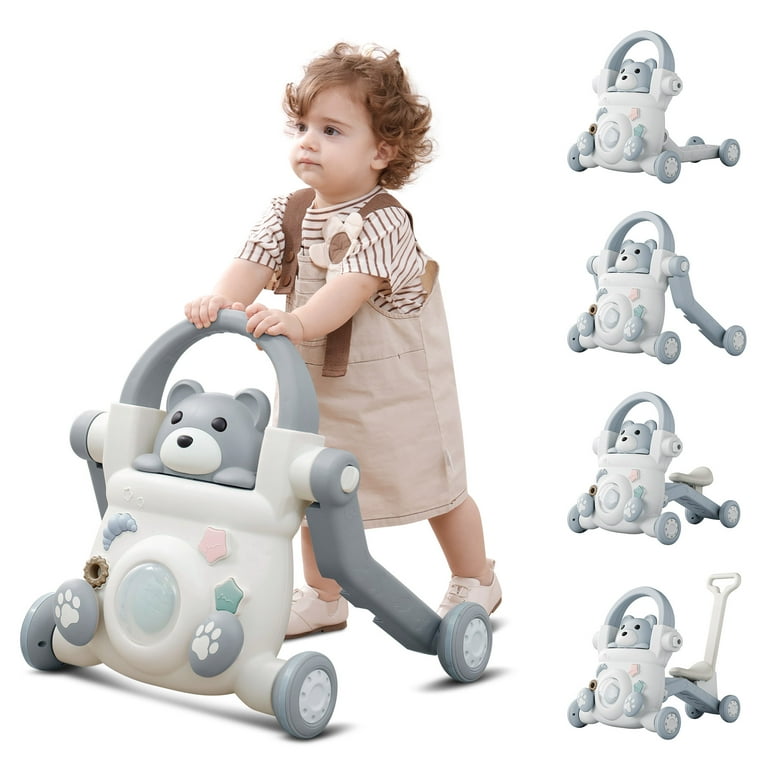
Ride-on toys help kids practice balance while moving. Scooters demand coordination between pushing and steering. These toys build leg strength and improve reflexes. Children learn to adjust their body to keep from falling. They also gain confidence in their movements.
Interactive And Sensory Toys
Some toys include lights, sounds, or textures that engage senses. These toys encourage children to move carefully and stay balanced. Sensory input helps the brain connect with body movements. Interactive toys often combine fun with physical skill practice. They support balance by making kids aware of their position.
Benefits Of Balance Toys
Balance toys offer many benefits for children’s growth and development. They help kids build important physical skills while having fun. These toys encourage children to practice staying steady and moving with control. Such activities improve their overall body awareness.
Using balance toys regularly supports children in several key areas. These include better coordination, more confidence, and stronger focus. Each benefit plays a role in helping kids learn balance effectively.
Improved Coordination And Stability
Balance toys train children to control their body movements. This practice improves hand-eye coordination and muscle control. Kids learn to adjust their posture and stay steady. These skills help with walking, running, and other daily activities. Stability gained from balance toys reduces the risk of falls.
Boosted Confidence And Independence
Mastering balance toys gives children a sense of achievement. Each success builds their self-confidence. Confident kids try new activities without fear. They feel more independent and willing to explore. Balance toys create a safe space to practice and grow.
Enhanced Focus And Concentration
Playing with balance toys requires attention and careful movement. Children develop better concentration skills. These toys teach patience and persistence. Kids learn to focus on tasks for longer periods. This skill helps in school and other areas of life.
Credit: www.walmart.com
Creative Play Ideas With Balance Toys
Balance toys offer fun ways for kids to build strength and coordination. Creative play ideas help children enjoy learning balance. These activities keep kids active and engaged. They also encourage problem-solving and teamwork. Using balance toys in play makes learning natural and exciting.
Obstacle Courses And Challenges
Set up obstacle courses using balance boards, beams, or cushions. Kids can walk, jump, or crawl through the course. Challenge them to keep steady while moving between points. Add timers to make it more fun and competitive. This activity improves balance, focus, and motor skills. Change the course often to keep kids curious and motivated.
Group Activities And Games
Balance toys work well for group play. Try games like balance tag or relay races on balance boards. Children help each other stay steady and cheer for teammates. Group activities build social skills and cooperation. Kids learn to take turns and encourage friends. Playing together makes balance practice more enjoyable.
Incorporating Balance In Everyday Play
Use balance toys during daily routines or free play. Encourage kids to stand on a wobble cushion while reading or watching. Turn clean-up time into a balancing challenge. Kids can balance while carrying toys or moving around. This adds balance practice without extra effort. Small moments like these boost stability and confidence.
Tips For Safe Balance Play
Playing with balance toys helps children develop coordination and confidence. Safe balance play is important for fun and learning. Parents and caregivers can support kids by following some simple tips. These tips make sure children enjoy balance activities safely and effectively.
Choosing Age-appropriate Toys
Select toys that match the child’s age and skill level. Toys too hard can cause frustration or injury. Look for products with clear age recommendations. Start with simple balance boards or soft stepping stones. Gradually move to more challenging toys as skills improve.
Supervision And Protective Gear
Always watch children during balance play. Close supervision helps prevent falls and accidents. Use helmets, knee pads, and elbow pads for extra safety. Soft play areas or mats reduce injury risk. Safety gear builds good habits early on.
Encouraging Gradual Skill Building
Help kids practice balance step by step. Begin with stable surfaces and short play times. Increase difficulty slowly by adding uneven surfaces or longer play. Praise small successes to boost confidence. Patience supports steady progress and enjoyment.

Credit: ilslearningcorner.com
Frequently Asked Questions
How Do Toys Improve Kids’ Balance Skills?
Toys like balance boards and balls challenge kids to stabilize their bodies. This practice strengthens muscles and enhances coordination, improving overall balance skills.
What Types Of Toys Aid Children’s Balance Development?
Balance beams, scooters, and wobble cushions are great for balance. These toys encourage active play and help kids develop motor control and spatial awareness.
At What Age Do Balance Toys Benefit Children Most?
Balance toys are beneficial from toddler to school age. Early use promotes motor skill development and supports physical confidence in kids.
Can Balance Toys Prevent Falls In Children?
Yes, regular use of balance toys improves stability and coordination. This reduces the risk of falls and related injuries in active kids.
Conclusion
Toys help children learn balance through fun and play. They encourage movement and build strength step by step. Kids develop coordination by practicing with different toys daily. Playtime becomes a chance to improve physical skills naturally. Parents can choose toys that suit their child’s age and ability.
Small gains add up to better balance over time. Simple toys can make a big difference in learning. Balance skills support overall growth and confidence in children. Let kids explore and enjoy learning through play.
