

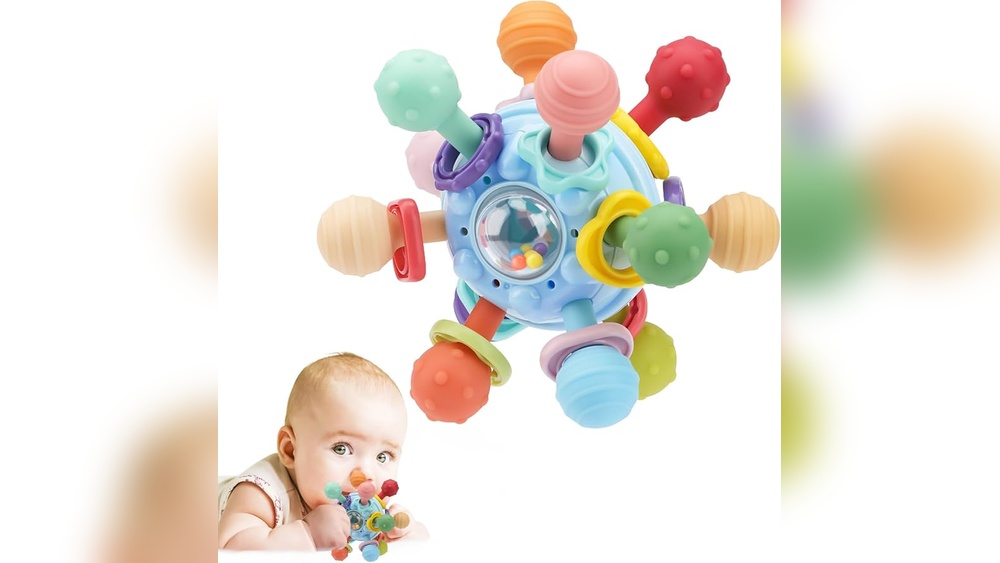
Are old plastic toys safe for your baby? It’s a question every parent or caregiver wonders about.
You want to give your little one the best, but what if those toys from the past hold hidden risks? Imagine handing your baby a toy that looks harmless but could affect their health in ways you never expected. You’ll discover the truth about old plastic toys and learn how to keep your baby safe while still enjoying cherished playthings.
Keep reading—you owe it to your child to know what’s really inside those toys.
Risks Of Old Plastic Toys
Old plastic toys might seem harmless. They hold memories and bring joy. Yet, these toys can pose risks to babies. Understanding these dangers helps keep little ones safe. Babies explore by putting things in their mouths. This makes safety a top concern for old toys.
Chemical Hazards
Many old plastic toys contain harmful chemicals. Lead and phthalates were common in past decades. These chemicals can cause health problems. Babies absorb toxins easily through their skin and mouth. Toys made before strict regulations may still have these substances.
Choking Dangers
Small parts can break off old toys. Babies may swallow these pieces by accident. Choking is a serious risk for infants. Loose buttons, eyes, or wheels increase this danger. Check toys carefully for any parts that could detach.
Wear And Tear Issues
Old toys often show signs of damage. Cracks, sharp edges, and broken sections can hurt babies. Worn-out paint may peel and be toxic if swallowed. Even faded or brittle plastic is unsafe. Regular use weakens toys and reduces their safety.

Credit: www.amazon.com
Materials To Avoid
Old plastic toys may contain materials that are unsafe for babies. These materials can cause health problems or pose choking risks. Knowing which materials to avoid helps keep your baby safe and healthy.
Toys With Lead Paint
Lead paint was common on toys made before the 1970s. Lead is toxic and can harm a baby’s brain and body. Even small amounts can be dangerous. Avoid toys with chipped or faded paint. Always check for safety labels or recalls.
Phthalates And Bpa Concerns
Phthalates and BPA are chemicals used to make plastic soft and durable. These chemicals can leak out and affect a baby’s hormones. Many old toys contain these substances. Choose toys that are labeled phthalate-free and BPA-free for your baby’s safety.
Toys With Small Detachable Parts
Small parts can easily break off old toys. Babies often put objects in their mouths. Detached pieces can cause choking or swallowing hazards. Avoid toys with loose buttons, wheels, or other small pieces. Always inspect toys for any damage before giving them to babies.
Signs Of Unsafe Toys
Old plastic toys can hold special memories. Yet, not all old toys stay safe for babies. Some signs show a toy might be unsafe. These signs help protect babies from harm. Check toys carefully before giving them to a child.
Cracks And Breakage
Cracks in plastic toys can cause sharp edges. These edges can cut a baby’s skin. Broken parts may come loose and cause choking. Toys with cracks or breakage should be avoided.
Unpleasant Odors
A strong, bad smell can mean a toy has harmful chemicals. Old plastic sometimes releases toxic fumes. Babies breathe in these odors and could get sick. Always trust your nose with old toys.
Faded Or Peeling Paint
Paint that fades or peels can be dangerous. Babies often put toys in their mouths. Peeling paint may contain lead or other toxins. Remove toys with chipped or peeling paint right away.
Credit: www.walmart.com
Cleaning And Sanitizing Tips
Old plastic toys can collect dirt and germs over time. Cleaning and sanitizing them is important to keep babies safe. Proper cleaning removes dust, stains, and bacteria. Sanitizing kills harmful germs that can cause illness. Follow these tips to clean old toys safely and effectively.
Safe Cleaning Methods
Start by washing toys with warm water and mild soap. Use a soft cloth or sponge to avoid scratches. Avoid harsh chemicals that can damage plastic or leave harmful residue. For small parts, use a toothbrush to clean hard-to-reach areas. Rinse toys thoroughly to remove all soap.
Disinfecting Without Harm
Disinfect toys using a solution of one part vinegar to four parts water. Spray or wipe the mixture on the toy surfaces. Let it sit for a few minutes before rinsing. Avoid bleach or strong disinfectants, as they can be unsafe for babies. Steam cleaning is another safe option for sanitizing plastic toys.
Drying And Storage
Dry toys completely with a clean towel or air dry. Moisture left on toys can cause mold or bacteria growth. Store toys in a dry, clean place away from direct sunlight. Use sealed containers or bins to keep toys dust-free. Regularly check stored toys for dirt or damage before giving them to babies.
Choosing Safe Alternatives
Choosing safe alternatives to old plastic toys is important for your baby’s health. Many old toys may contain harmful chemicals. New toys often follow strict safety rules. Picking the right toys helps keep babies safe and happy.
Certified Non-toxic Toys
Certified non-toxic toys are tested for harmful substances. They do not contain lead, BPA, or phthalates. Look for labels like ASTM, CPSIA, or EN71. These certifications mean the toy meets safety standards. Choosing these toys reduces health risks for babies.
Eco-friendly Options
Eco-friendly toys use natural or recycled materials. Wood, organic cotton, and natural rubber are common. These toys avoid plastics and harmful chemicals. They are better for the environment and your baby. Eco-friendly toys often last longer and feel safer to touch.
Age-appropriate Choices
Select toys made for your baby’s age group. Age-appropriate toys match a baby’s development and skills. They have no small parts that can cause choking. Toys for babies are usually soft and easy to hold. Using the right toys supports safe play and learning.

Credit: www.walmart.com
When To Discard Old Toys
Knowing when to discard old plastic toys is important for baby safety. Toys can wear out over time. They can also collect dirt, germs, and harmful chemicals. Removing unsafe toys helps protect your baby from choking, cuts, or poisoning. Regular checks of your baby’s toys keep playtime safe and fun.
Signs To Stop Using
Look for cracks or broken pieces on toys. Sharp edges can hurt babies. Faded or peeling paint might contain harmful chemicals. Sticky or dirty surfaces can hold germs. Loose parts can be choking hazards. If a toy smells bad or has mold, it is unsafe. Toys that no longer work as intended should be removed.
Safe Disposal Practices
Do not throw toys in the trash where children can reach them. Recycle plastic toys if local facilities accept them. Wrap broken toys in paper before discarding. This prevents injury to waste collectors. Donate gently used toys to charity centers. Clean toys before giving them away. Always keep unsafe toys out of reach until disposal.
Frequently Asked Questions
Are Old Plastic Toys Safe For Babies To Play With?
Old plastic toys may contain harmful chemicals like lead or BPA. These can pose health risks to babies, especially if the toys are damaged or degraded. Always check the toy’s age, condition, and material safety before letting babies play with them.
How To Identify Unsafe Plastic Toys For Babies?
Look for cracks, discoloration, or a strong chemical smell in old plastic toys. These signs indicate chemical breakdown or contamination. Also, check for labels indicating non-toxic materials or compliance with current safety standards before giving toys to babies.
Can Old Plastic Toys Cause Allergies In Babies?
Yes, old plastic toys can trigger allergies or skin irritation in sensitive babies. Dust, mold, or chemical residues on the toys may cause reactions. Regular cleaning and avoiding worn-out plastic toys reduce allergy risks for babies.
Should I Sanitize Old Plastic Toys Before Giving To Babies?
Absolutely, sanitize old plastic toys using baby-safe cleaning solutions. This removes dust, germs, and chemical residues that may harm babies. Avoid harsh chemicals that can damage the toy or leave toxic residues.
Conclusion
Old plastic toys may hold hidden risks for babies. Chemicals from old plastics can harm health. Always check toys for cracks, discoloration, or strange smells. Clean toys well before giving them to babies. Safer options include new toys made from non-toxic materials.
Protect your child by choosing toys carefully. Remember, safety matters most in playtime. Keep your baby’s environment clean and safe. Simple steps help avoid health problems. Trust your instincts when selecting toys for little ones.
